Written by the ChemicalPeel.org editorial team. Published November 25, 2026.
Clinical review pending. This page has not yet been reviewed by a licensed clinician; read it as patient education, not medical advice. How we review
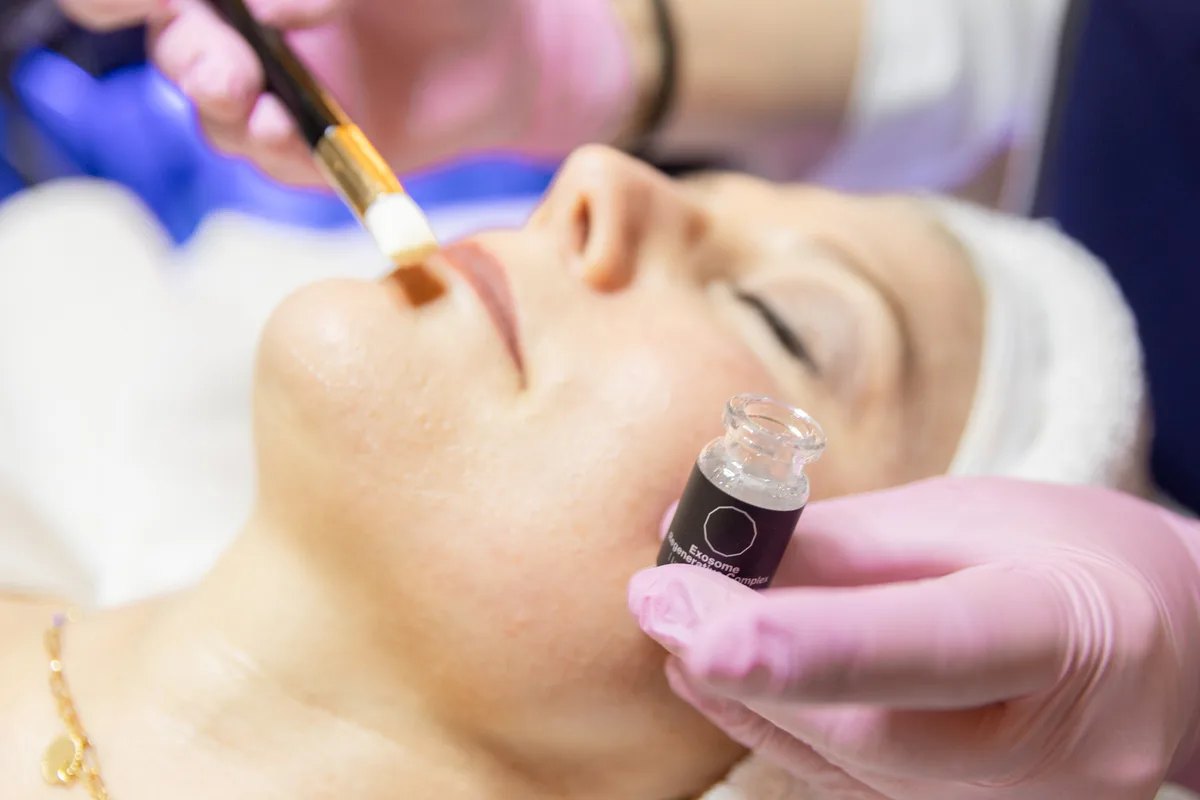
Dry skin responds well to superficial chemical peels formulated with humectant acids that dissolve rough surface flakes while binding water inside the stratum corneum. Choosing lactic acid or polyhydroxy acids over drying beta hydroxy acids removes dull keratinocyte buildup across superficial peel treatments without stripping essential intercellular lipids.
Patients with chronically tight or flaky complexions often worry that chemical exfoliation will worsen dehydration. In reality, compacted dead surface cells block moisturizers from absorbing effectively; removing that dry outer crust with a gentle lactic acid peel allows ceramides and hyaluronic acid serums to penetrate evenly. Always confirm barrier health first through a clinical skin assessment and review our skin-type chemical peel guide to separate true lipid dryness from active eczema or rosacea.
Which Chemical Peels Are Safest for Dry Skin?
Humectant alpha hydroxy acids and polyhydroxy acids rank as the safest chemical peels for dry skin because they attract moisture into the epidermis while loosening dead cell bonds. Lactic acid, gluconolactone, lactobionic acid, and low-strength mandelic acid smooth rough patches without the lipid-stripping astringency of high-dose salicylic acid.
| Peel Formulation | Hydration Mechanism | Dry Skin Suitability | Expected Recovery |
|---|---|---|---|
| Lactic acid (20% to 40%) | Part of Natural Moisturizing Factor (NMF); draws water into corneocytes | Excellent first-line peel for flaky, dehydrated skin | Mild tightness or fine dusting for 1 to 3 days |
| Polyhydroxy acid (PHA) | Multiple hydroxyl groups bind water across the outer barrier | Ideal for severely dry or fragile mature skin | Minimal pinkness; little visible shedding |
| Mandelic acid (20% to 30%) | Slow, even surface diffusion with low barrier disruption | Good for dry skin prone to mild redness or uneven pigment | Very light flaking for 1 to 2 days |
| Low-strength glycolic (20% to 30%) | Rapid exfoliation; lacks built-in humectant buffering | Acceptable only on resilient dry, sun-damaged skin | Temporary dryness and 2 to 3 days flaking |
| High-strength salicylic (20% to 30%) | Oil-soluble BHA that dissolves sebum inside pores | Poor fit for lipid-dry skin; increases tightness and peeling | Pronounced dryness and parched skin |
According to the American Academy of Dermatology chemical peels overview, light peels target the epidermis cleanly to improve rough texture and dull tone. Pairing lactic acid with soothing post-peel hydration delivers smoother texture without forcing aggressive shedding.
How Does Lactic Acid Hydrate While Exfoliating Dry Skin?
Lactic acid exfoliates dry skin gently because its molecular structure naturally acts as a component of the skin's Natural Moisturizing Factor while breaking desmosomal calcium bridges between dead corneocytes. Rather than evaporating moisture, humectant lactic acid molecules pull water toward newly revealed surface cells and support epidermal ceramide production.
Explore more AHA formulations in our alpha hydroxy acid chemical peel guide. Consider an adult experiencing winter flakiness around the cheeks and nasolabial folds whose rich night creams sit on top of rough buildup. A progressive series of clinician-monitored 30% lactic acid peels clears compacted scales gradually, allowing daily moisturizers to restore suppleness between visits without stinging or prolonged redness.
When Should Dry Skin Skip or Delay a Chemical Peel?
Dry skin should delay chemical peeling whenever roughness reflects an active inflammatory barrier disorder, cracked skin fissures, or acute dehydration from harsh over-exfoliation. Exfoliating an impaired stratum corneum strips protective lipids further and heightens the risk of persistent dermatitis, burning, and uneven pigmentation.
Consult a qualified clinician if your dryness accompanies any of these warning signs:
- Active eczema, atopic dermatitis, or seborrheic flares: Broken skin barriers allow acids to penetrate unevenly and trigger severe stinging.
- Recent overuse of prescription retinoids or scrubs: Skin that feels raw or stings when applying plain lotion needs 1 to 2 weeks of barrier recovery first.
- Unexplained scaling or persistent redness: Underlying skin conditions require medical diagnosis rather than elective resurfacing.
- Unprotected sunburn or cold-weather windburn: Damaged keratinocytes must heal completely before acidic pH exposure.
Review full medical exclusions on our who should not get a chemical peel page, and ask your provider to perform a patch test behind the ear or along the jawline prior to a first full-face session.
How to Prep Dry Skin Before a Chemical Peel
Preparing dry skin before a chemical peel centers on reinforcing barrier lipids for 7 to 14 days while pausing all drying or exfoliating active skincare products. Well-hydrated skin responds more evenly to acid contact, minimizes patchy hot spots during application, and heals comfortably afterward.
Following pre-peel preparation guidelines and AAD peel preparation recommendations, pause retinol, tretinoin, glycolic toners, and physical scrubs for the timeframe set by your clinician. Use a fragrance-free ceramide cream twice daily leading up to your appointment, avoid hot facial steam, and skip waxing or depilatory creams in the treatment zone.
What Post-Peel Routine Restores Dry Skin Moisture?
Post-peel dry skin recovers fastest when patients seal damp skin with ceramide-rich moisturizers, use non-foaming cleansers, and apply mineral broad-spectrum sunscreen every morning. Avoiding foaming sulfates, alcohol-based toners, and manual picking prevents raw micro-tears while fresh epidermal cells mature.
Follow this daily recovery routine from chemical peel aftercare instructions and the Cleveland Clinic chemical peels guide:
- Wash gently with lukewarm water and creamy cleanser: Pat dry with a soft towel instead of rubbing.
- Apply bland hydration immediately: Layer hyaluronic acid serum under a fragrance-free ceramide balm or ointment recommended by your clinic.
- Never pull or scrub flaking patches: Allow loose dry skin to shed naturally during washing so healthy underlying cells stay intact.
- Wear SPF 30 or higher daily: Protect newly exposed skin from UV dehydration and sun-triggered dark spots.
How Seasonality and Indoor Humidity Affect Dry Skin Peels
Seasonal indoor heating during winter drops ambient humidity, pulling transepidermal moisture from healing skin faster than humid summer months and making post-peel tightness more noticeable. Adjusting moisturizer richness and running a bedroom humidifier during recovery weeks keeps lactic and PHA peel shedding comfortable across colder climates.
At the same time, cooler months reduce intense midday ultraviolet radiation, making autumn and winter popular seasons for scheduling gentle resurfacing series. Regardless of outdoor temperature, UV rays still penetrate clouds and car windows, so broad-spectrum SPF 30+ remains mandatory year-round. Discuss indoor heating habits and travel schedules with your clinician before picking an appointment week.
Questions to Ask Before Booking a Peel for Dry Skin
Asking clear formulation and aftercare questions helps dry-skin patients avoid harsh degreasing prep and overly drying post-peel kits. Confirm whether the practice avoids high-strength alcohol solvents prior to application and provides soothing lipid recovery instructions tailored for dry barriers.
Bring these practical questions to your clinic consultation:
- Will the clinician use a humectant acid such as lactic acid or PHA? Confirm the base formula avoids strong astringent salicylic acid unless targeting focal T-zone congestion.
- How is the skin prepped before applying the peel? Gentle cleansing prep preserves lipid integrity better than repeated acetone wiping on dehydrated cheeks.
- When can hydrating serums and retinoids resume afterward? Verify exact restart days for hyaluronic acid, niacinamide, and prescription anti-aging creams.
Frequently Asked Questions
Are chemical peels good for very dry skin?
Yes, superficial chemical peels using hydrating humectants such as lactic acid or polyhydroxy acids are effective for dry skin once the skin barrier is intact. They clear dead surface flakes that block moisturizers from absorbing, leaving skin smoother without stripping protective oils.
Which chemical peel is best for dry, flaky skin?
A superficial lactic acid peel is widely considered the first-line choice for dry, flaky skin because it exfoliates dull corneocytes while acting as a humectant that attracts moisture. Polyhydroxy acid (PHA) peels offer an even gentler hydrating option for severely dry skin.
Can a chemical peel make dry skin worse?
Yes, choosing an overly strong acid such as high-concentration salicylic acid, unbuffered glycolic acid, or medium-depth TCA on unprepared dry skin can worsen tightness and flaking. Working with a qualified clinician ensures proper acid selection, patch testing, and barrier-supportive post-care.
Should you moisturize after a chemical peel on dry skin?
Yes, frequent moisturizing with bland, fragrance-free ceramide creams or clinic-approved ointments is essential after a chemical peel on dry skin. Hydration reduces uncomfortable tightness, supports barrier repair, and prevents cracking while surface cells shed over several days.
How often can someone with dry skin get a chemical peel?
Patients with dry skin typically schedule superficial hydrating peels every 4 to 6 weeks, allowing ample time for full barrier lipid recovery between appointments. Always confirm spacing with a qualified clinician rather than repeating peels prematurely.