Peel Types
Alpha Hydroxy Acid Chemical Peel: AHA Types Compared
Glycolic, lactic and mandelic acid are the three AHAs behind most professional peels, and the one a provider chooses changes how the treatment feels and who it suits.
This is the complete index of every article on ChemicalPeel.org. For a faster path, explore our topic hubs: Treatments & Peel Types for peels by acid and depth, Skin Concerns for peels matched to your condition, Regimen by Age for routines by decade, or read our Cost Guide. Otherwise, browse every article below.
Begin with what a chemical peel is, then use peel depths to understand terminology. Before booking, review provider questions, candidacy, and preparation.
For recovery, continue to aftercare and the recovery timeline. For treatment comparisons, see our guides on laser resurfacing, microneedling, HydraFacial, or dermaplaning.
Glycolic, lactic and mandelic acid are the three AHAs behind most professional peels, and the one a provider chooses changes how the treatment feels and who it suits.
Compare peel products and professional procedures through assessment, supervision, risks, recovery questions and the full written quote.
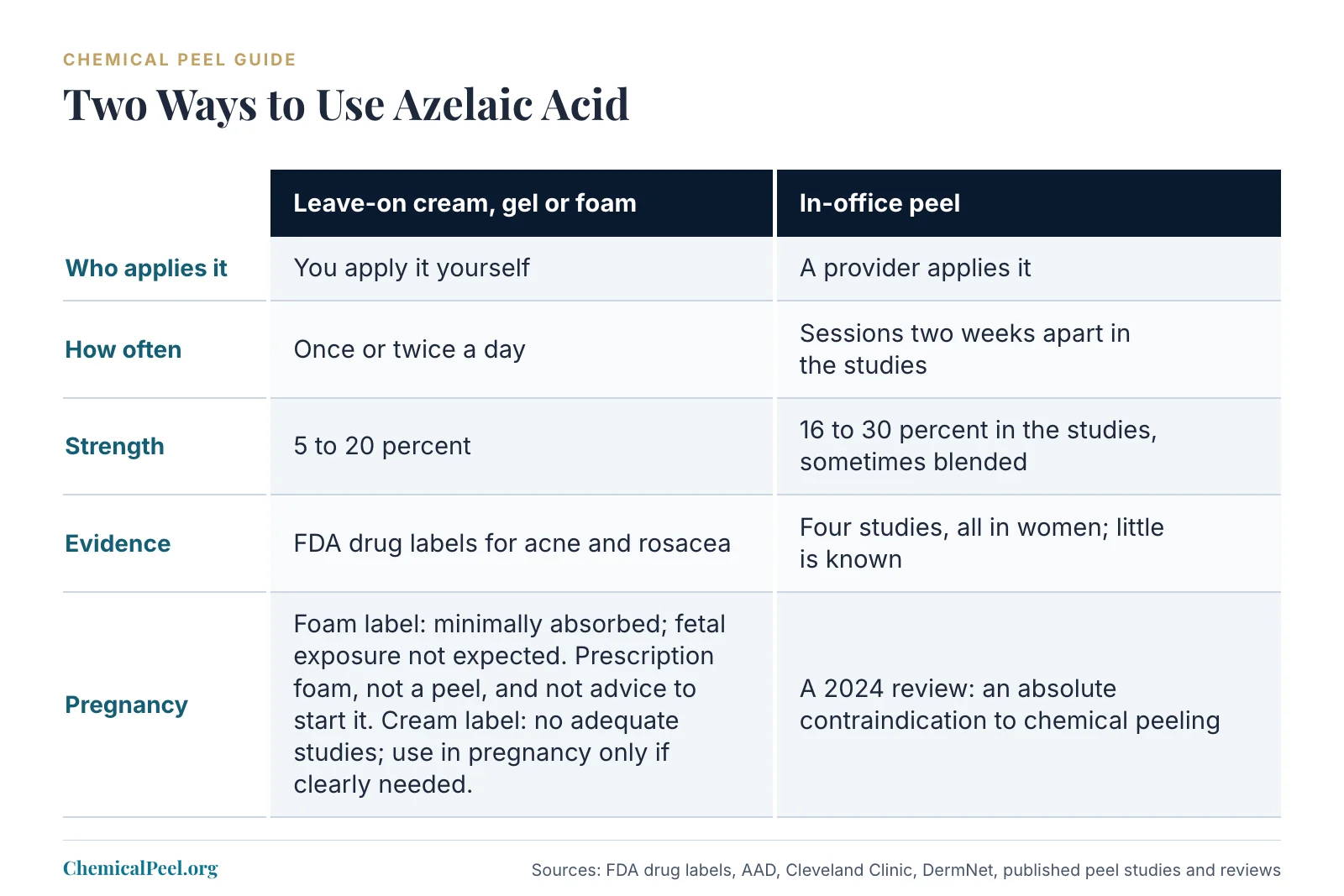
An azelaic acid peel is a superficial peel applied by a provider, and it is a different product from azelaic acid cream, gel or foam. This guide keeps the evidence for the two apart.
What is the best age to start chemical peels? Compare peel recommendations by decade (20s, 30s, 40s, 50s+), candidacy criteria, and safety factors.
The right chemical peel depends on your skin type, tone, and any condition behind the concern. Here is how providers choose, type by type.
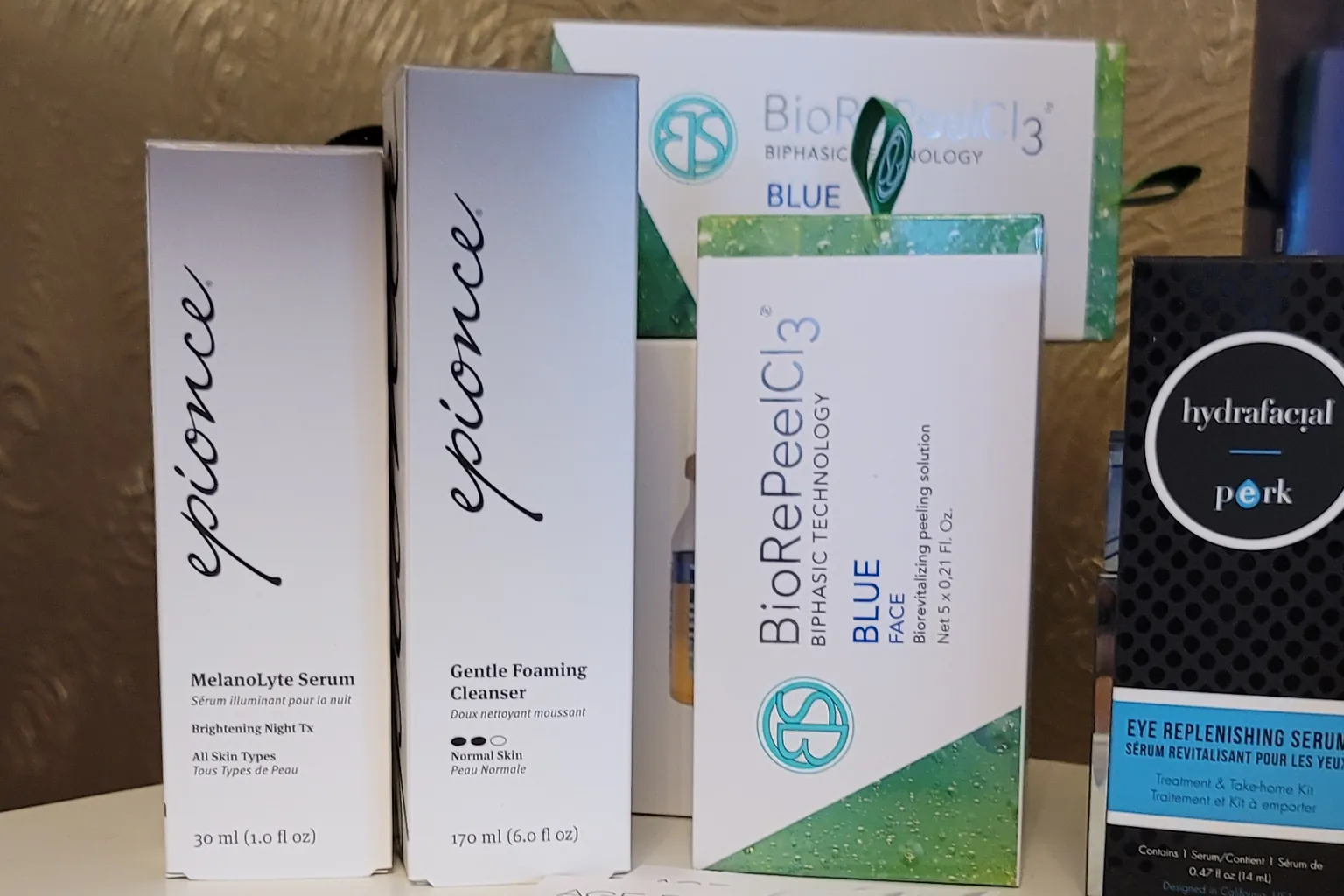
BioRePeel is a branded in-office peel whose maker says it contains trichloroacetic acid, but PubMed lists no study of it by name. Here is how it compares with other TCA peels, what is unknown, and what to ask.

Can you wear makeup after a chemical peel? Learn safe timelines by peel depth (24 hours to 2 weeks), cosmetic risks, and dermatologist-approved application tips.
Questions for your peel aftercare plan: cleansing, sun protection, restarting products and activities, follow-up and concerning reactions.
At-home chemical peel products can brighten and smooth skin when you use them correctly. Here is how to choose one, apply it safely, and know your limits.
What chemical peel before and after results really look like by peel depth and skin concern, how to read gallery photos, and how long results last.
Request a current written peel quote. Compare the exact procedure, course, aftercare, follow-up and payment terms before deciding.
Peel depth, not the name of the acid, is what decides your downtime, your results and your risk.
A chemical peel facial sits between a spa treatment and a medical-depth peel, using one acid at facial strength. This guide covers the appointment, the acids used, cost and downtime.
Chemical peels lift pigmented surface cells to fade dark spots and age spots, but the right acid depends on what kind of spot you have and what your skin tone can tolerate.
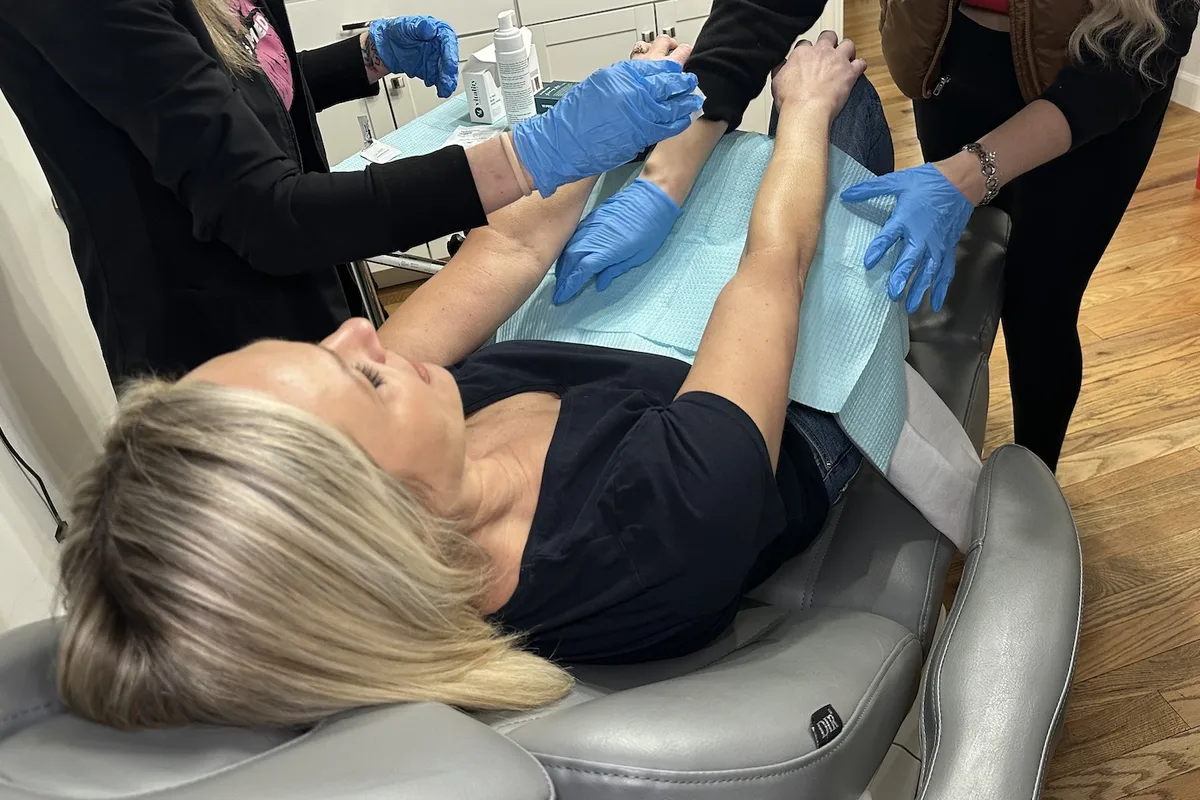
The backs of your hands often show sun damage and thinning skin before your face does, and a chemical peel is one of the more effective ways to treat it. Here is what a hand peel can realistically do, and what it cannot.
Discuss the cause of dark spots, melasma and peel-related pigment risks before choosing treatment. Questions about alternatives, care and cost.
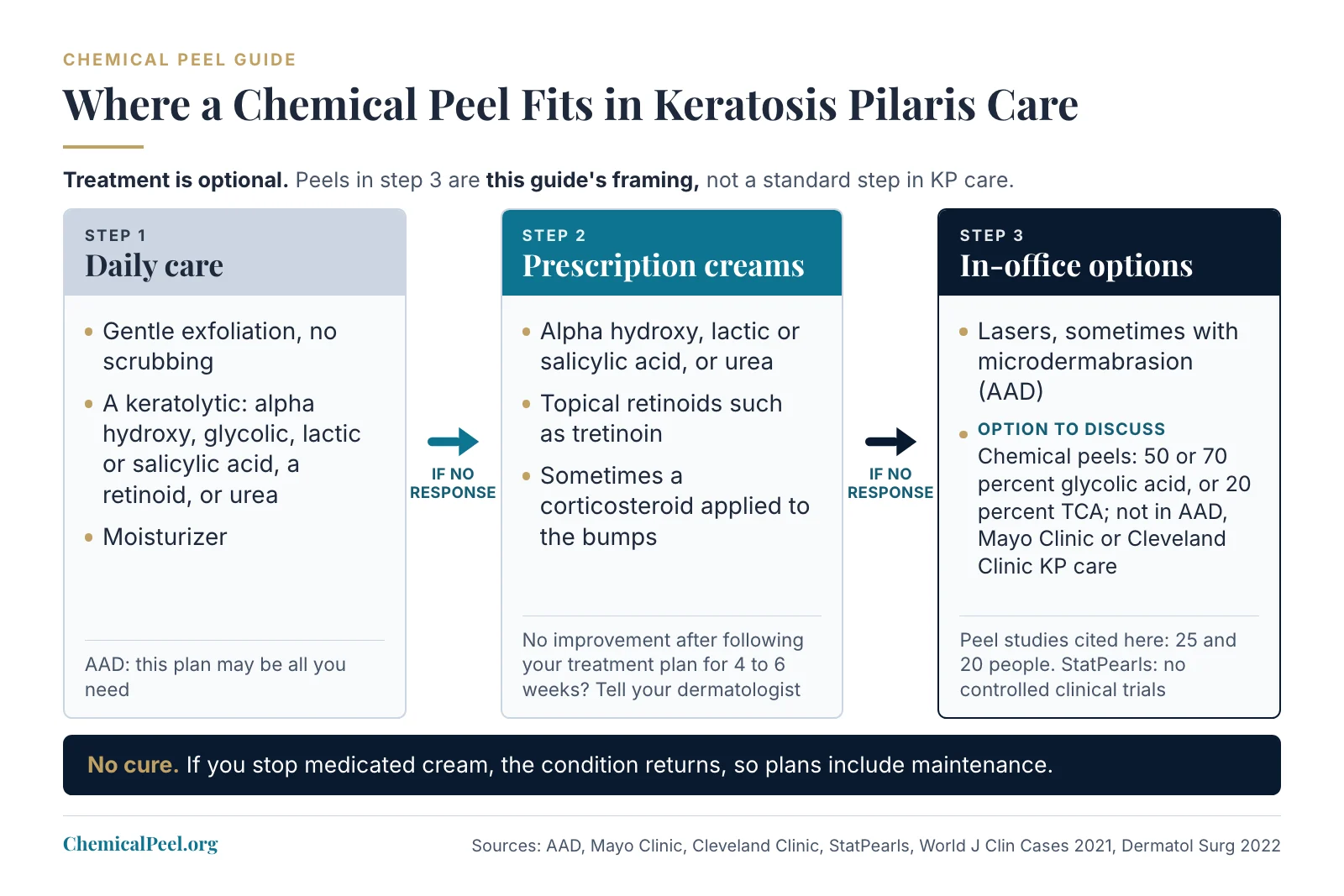
Where a chemical peel fits in keratosis pilaris care: moisturizers and exfoliating creams come first, the peel evidence is limited, and there is no cure.
A chemical peel for large pores clears clogged pores and controls oil so pores look smaller. Learn which peels work best, results, cost, and safety.
A chemical peel is one melasma treatment, and the AAD says it can help remove excess pigment. Compare peel options, results, and costs.
Chemical peels are one of the most established treatments for photoaged skin, but a provider should evaluate any suspicious lesion before an acid ever touches it.
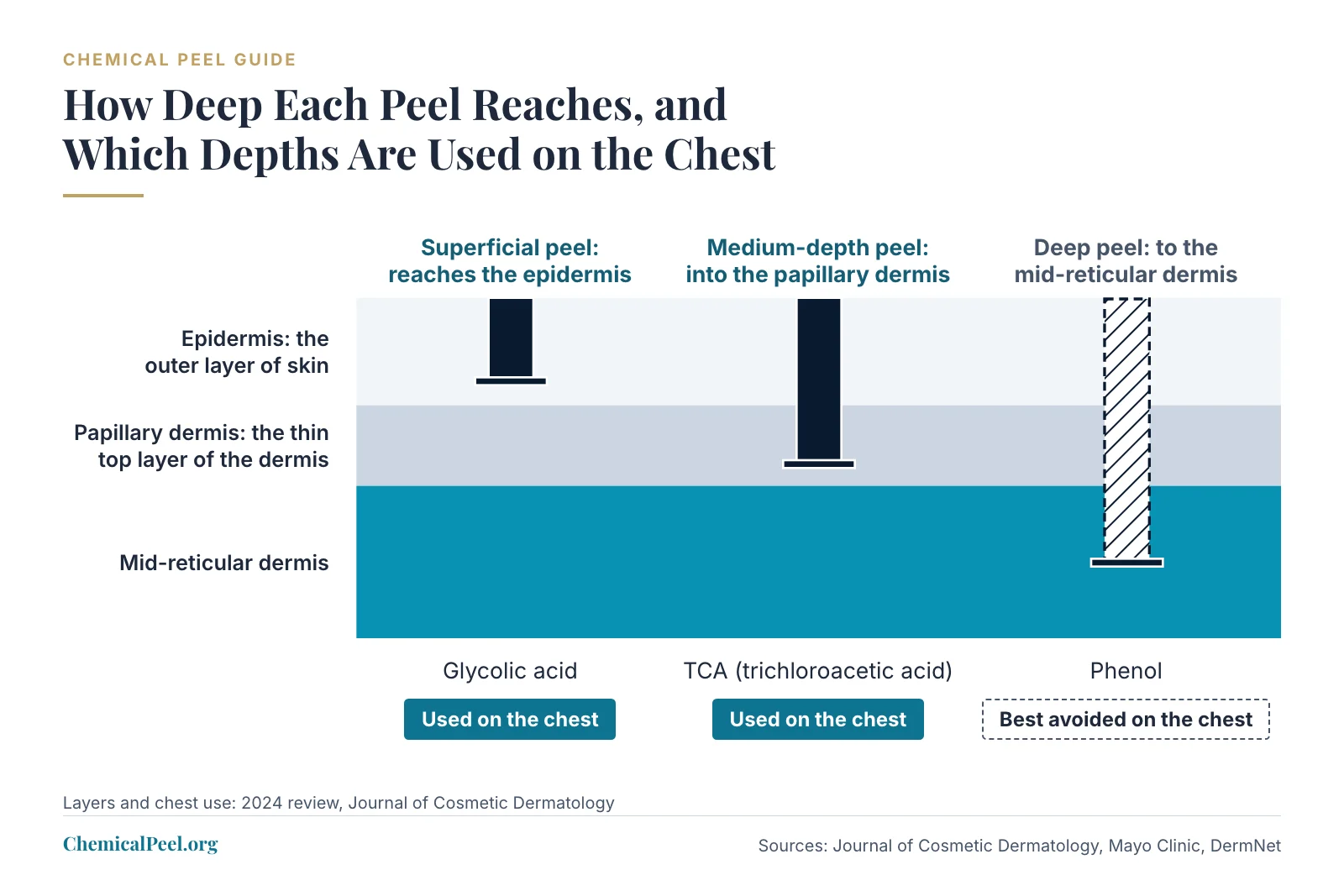
A chemical peel can help with sun damage, uneven tone, fine lines, and some acne on the chest, but chest skin is thinner than facial skin, and deep peels are best avoided there.
The neck ages and heals differently than the face, so a chemical peel for the neck calls for gentler acids, more caution, and its own aftercare routine.
A chemical peel for wrinkles smooths fine lines by resurfacing skin and stimulating collagen. Compare peel depths, cost, and results, then find a provider.
Unexpected peel reactions need individual assessment. Learn what to tell the treating clinician and why photographs cannot diagnose injury.

Understand normal physical responses versus adverse complications after a chemical peel. Learn expected recovery timelines and when to contact your clinician.
A chemical peel for under eyes can soften fine lines and true pigment, but it will not fix bags or vascular shadows. See what is safe and what is not.
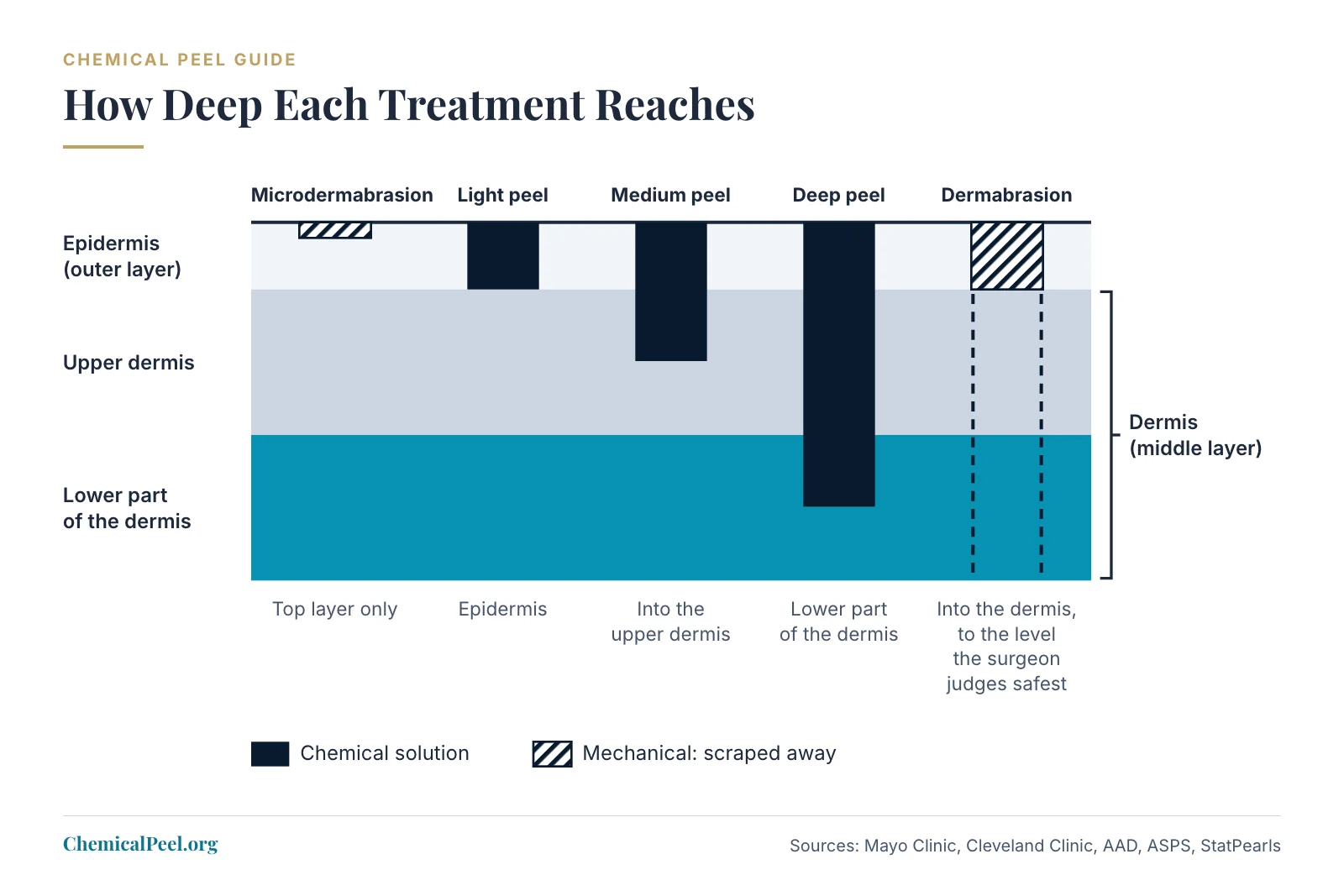
A chemical peel removes skin with a solution, while dermabrasion scrapes it away with a spinning surgical tool. Here is how depth, anesthesia, recovery and risks compare.
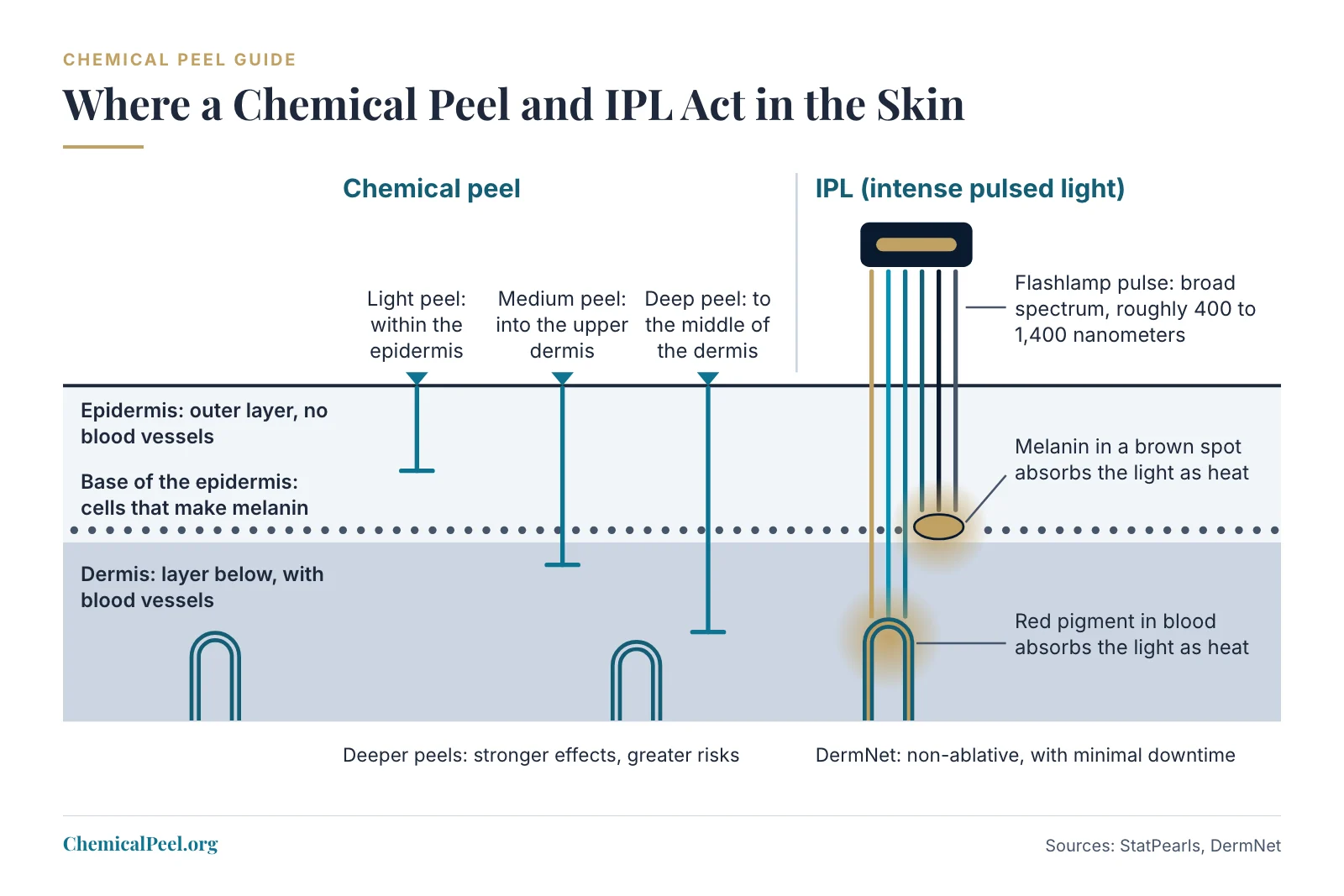
A chemical peel removes damaged skin cells with a chemical solution, while IPL uses pulses of light that pigment and blood absorb as heat. Here is how the two compare for spots, redness, texture and skin tone.
Chemical peel vs laser resurfacing compared: results, downtime, cost, and safety by skin tone, plus how to choose the treatment that fits your skin.
Chemical peel vs microdermabrasion: compare how each works, depth, downtime, results, and cost, then learn which treatment fits your skin and concerns.
Compare the exact peel and microneedling device for your concern: evidence, skin risks, recovery, combinations and the full proposed cost.
A 2024 review lists pregnancy and breastfeeding as absolute contraindications to chemical peeling, though a few low-strength acids are still sometimes discussed with an OB. Here is common practice, peel by peel.
Chemical Peel: How it Works You know the way your skin looks after a steamy romp? All vibrant and glowy? Too bad it only lasts about five minutes. A chemical peel can help you get that same lit from within radiance with a few major differences: it really lasts and comes with none of the agony of obsessing over when … Read More
Many chemical peels are contraindicated during a rosacea flare, but some very gentle options may be considered once a dermatologist has your rosacea under control.
A chemical peel for acne clears breakouts, fades dark marks, and softens acne scars. Compare the best peel acids, costs, and recovery, then find a provider.
Chemical peels clear post-acne marks well and soften shallow boxcar and rolling scars, but deep ice pick scars usually need TCA CROSS or combination therapy rather than a standard peel.
How a chemical peel for back acne works, which acids are used on the back, how the back differs from the face, and how to care for the skin afterward.
Richly pigmented skin can be peeled safely, but depth selection, priming and provider experience matter far more than they do for lighter skin.
A light professional peel can be one option for darkening on the inner thighs, bikini line, or underarms, but the cause needs a diagnosis first, and the peel itself can leave these areas darker.
A chemical peel for men treats thicker, oilier, shaved skin. Learn which peels fit male skin, how shaving changes the plan, and the downtime to expect.
A chemical peel can soften the look of newer, redder stretch marks and smooth texture on older ones, but it does not make a stretch mark disappear.
Ten chemical peel assumptions to discuss with a practitioner, including recovery, candidacy, pain, celebrity claims and home-use safety.
Often patients will hear of a treatment and become interested in it. However the best thing to do if you are looking to improve your skin is consult with an expert in skin care who has access to all of the available treatments now in use. It is very difficult to know, as a patient, if a particular treatment will … Read More
Identify the regional cosmelan product and instructions, discuss pigment diagnosis and risks, and ask about care and the complete quote.
A clinical review of the Dermalogica Pro Power Peel system: compare UltraBright, PowerClear, AdvancedRenewal, and Pro Power TCA modules.
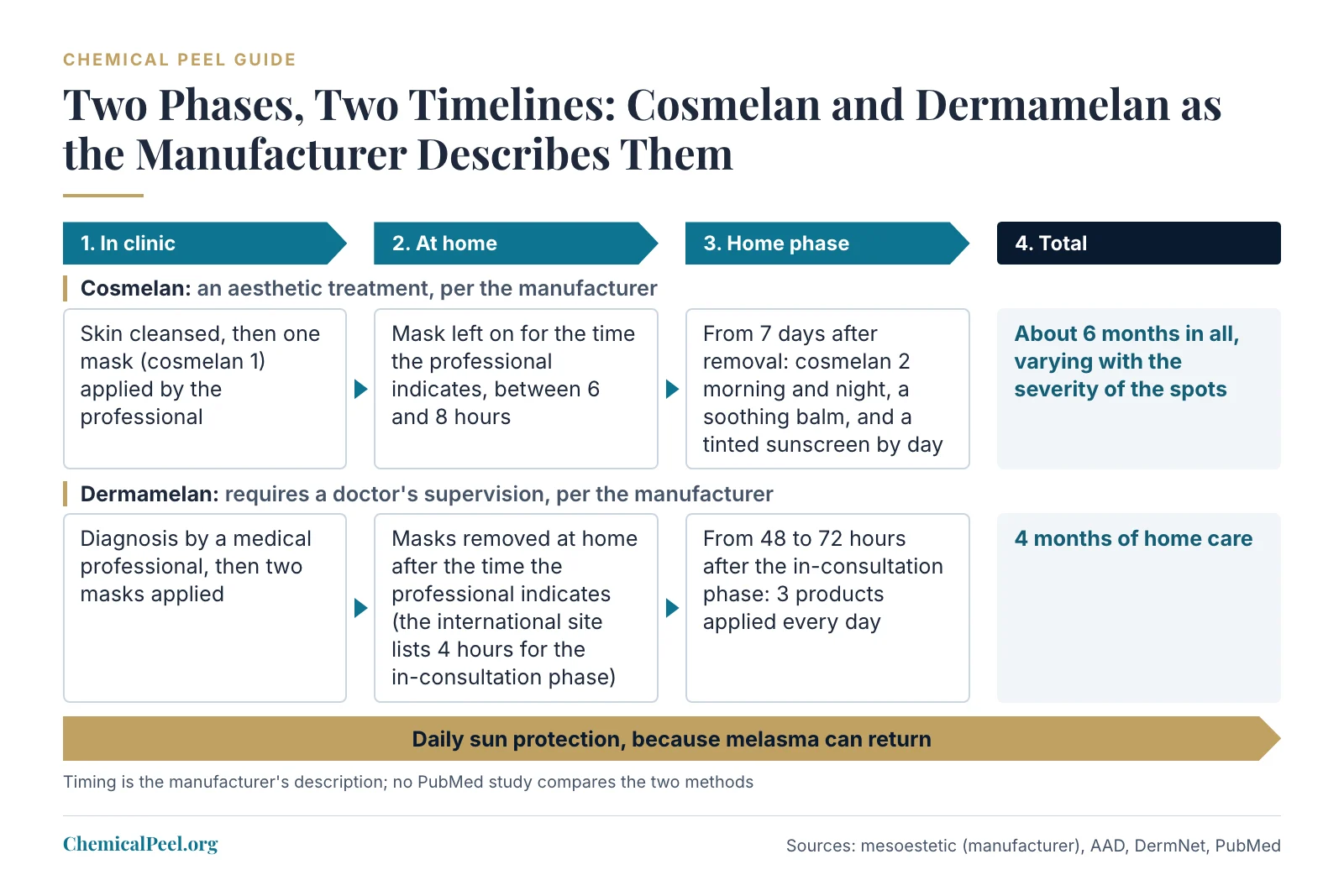
Dermamelan and Cosmelan are two in-office depigmentation masks from the same manufacturer. We found no PubMed study comparing them directly, so the choice rests on diagnosis, supervision, and months of home care.
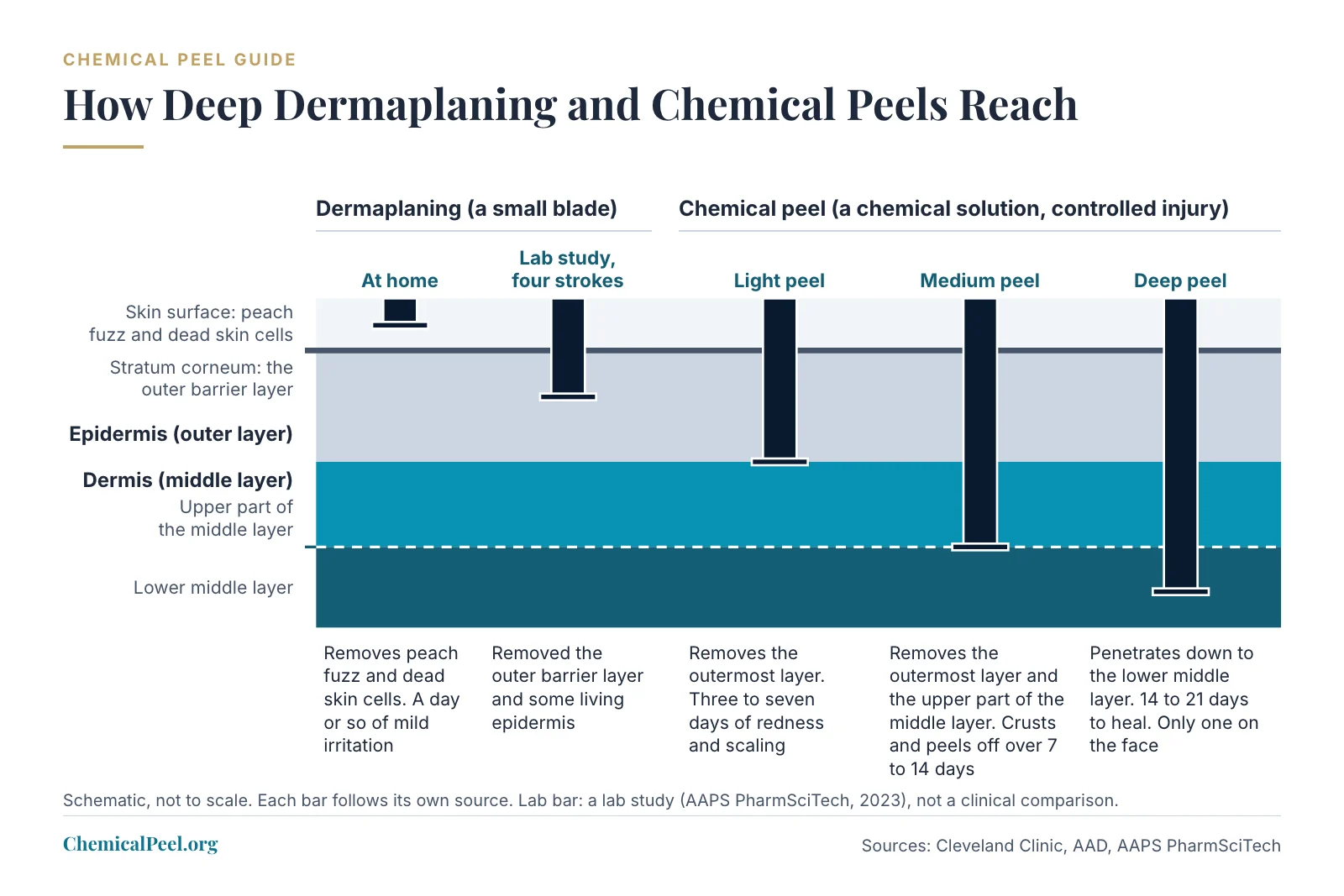
Dermaplaning shaves off peach fuzz and dead surface skin with a small blade, while a chemical peel uses a chemical solution that reaches a chosen depth. Here is how they compare on downtime, risks, and who each suits.
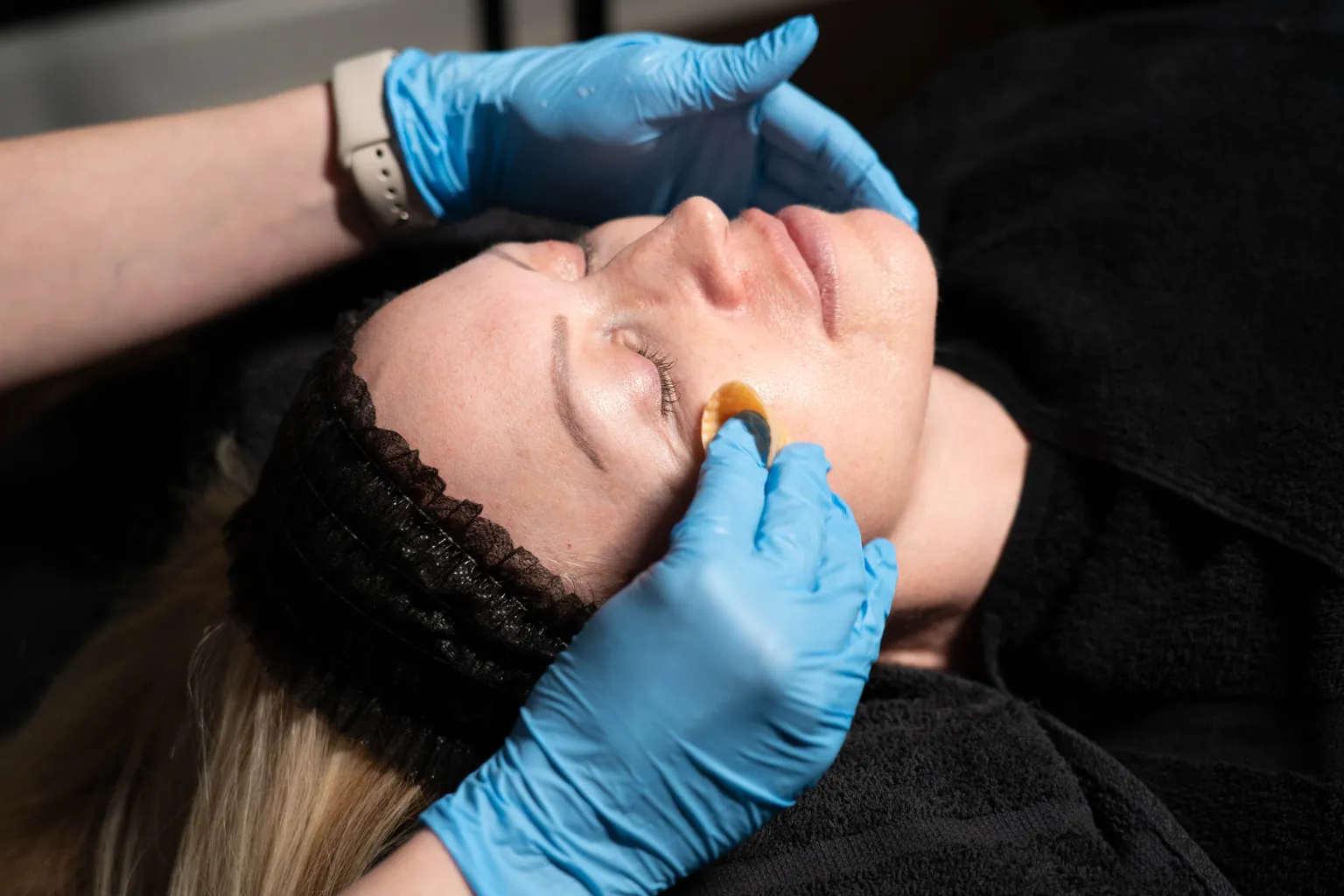
A chemical peel stings. You might feel mild stinging with a light peel, a medium peel can sting and burn for up to 20 minutes, and for a deep peel the American Academy of Dermatology says you will receive general anesthesia.
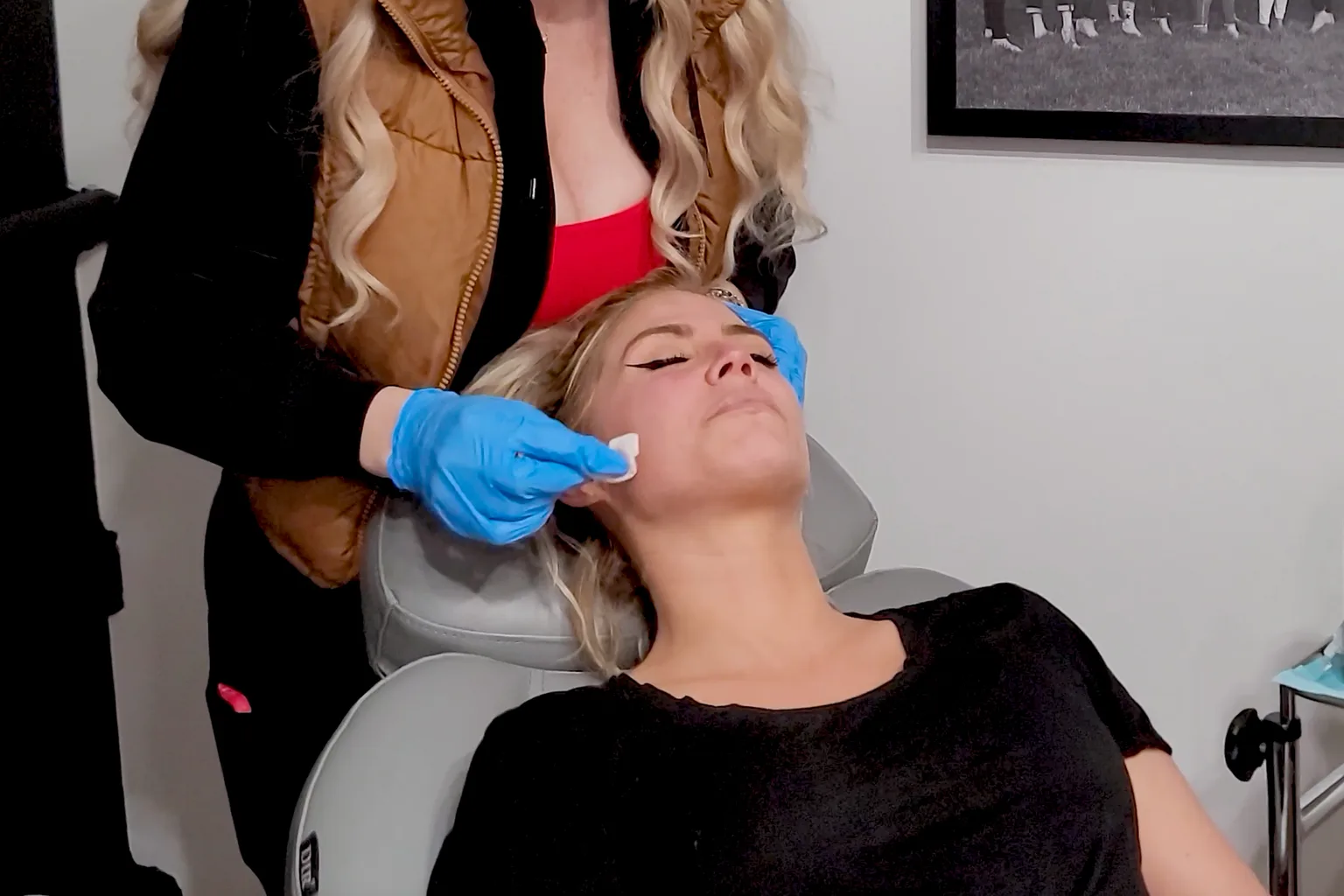
Understand when health insurance covers chemical peels. Explore medical necessity criteria, CPT billing codes, prior authorization steps, and out-of-pocket costs.
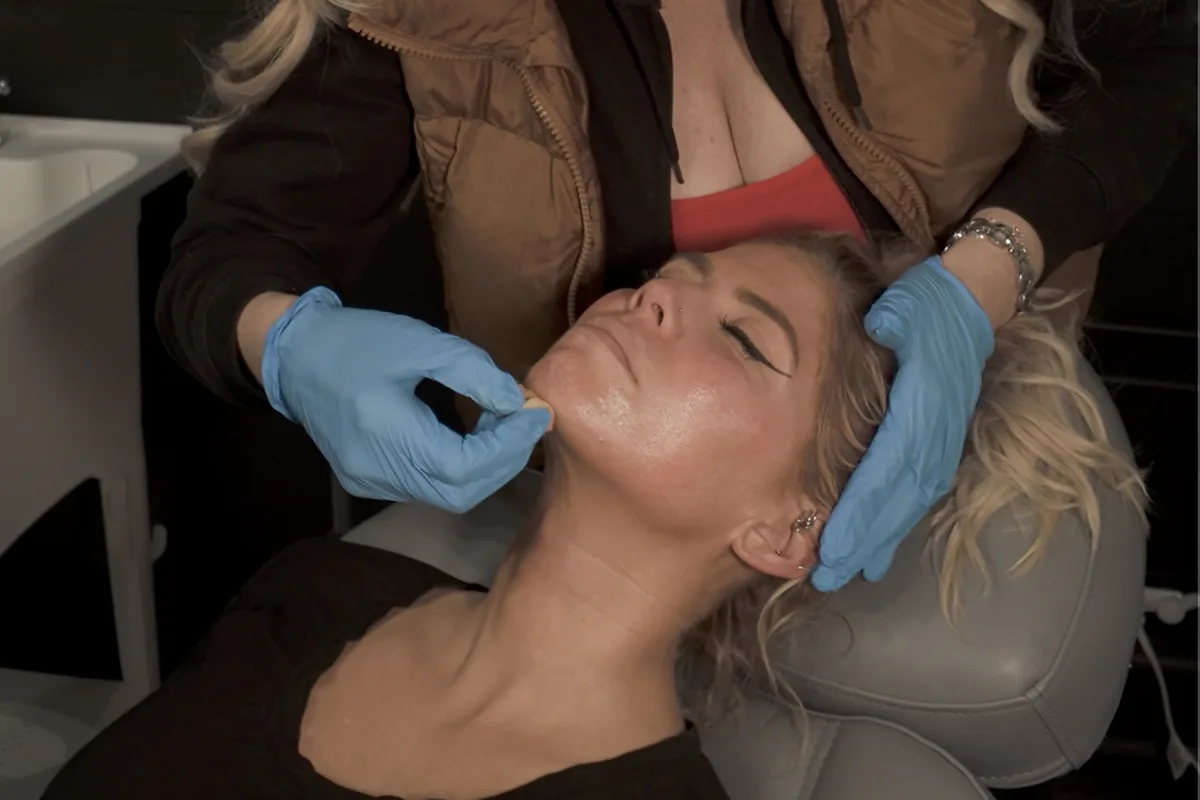
Enzyme peels and acid peels exfoliate in different ways. This guide compares how each works, downtime, safety and cost.
A foot peel is a mask worn at home to shed dead skin and soften calluses over one to two weeks. Learn how foot peels work, safety, and how often to use one.
What a glycolic acid peel typically costs per session, how strength and setting change the price, and why the series total is the number to budget.
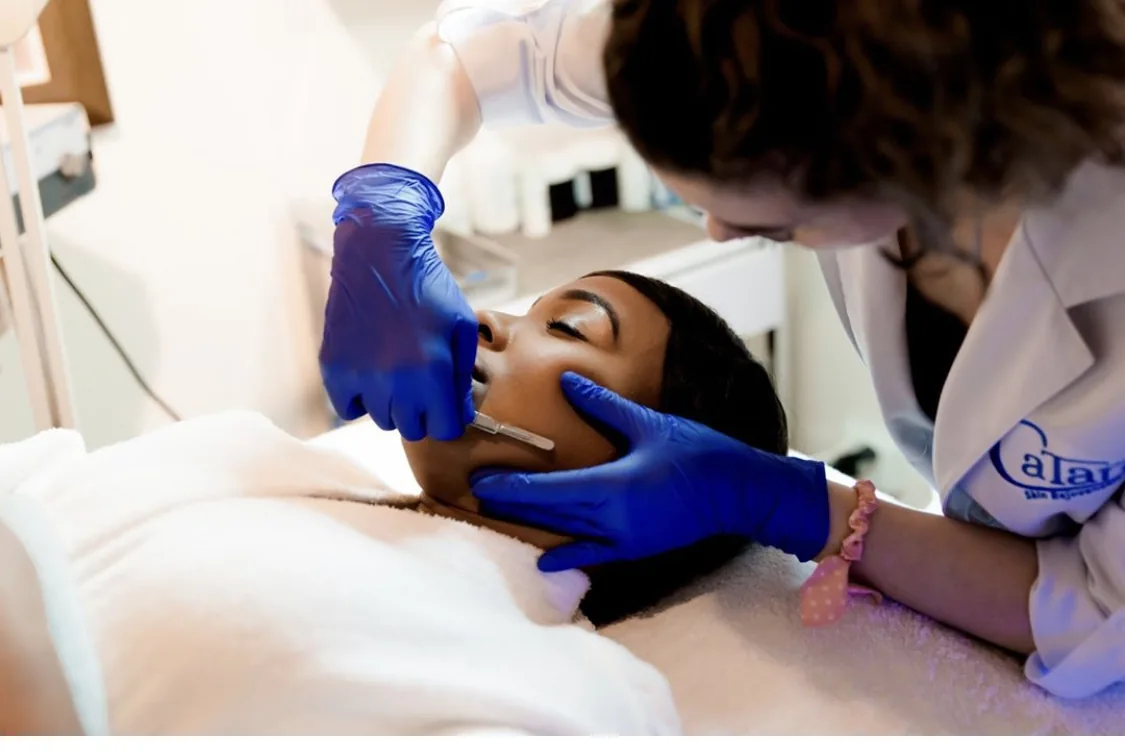
Herbal peel vs chemical peel: compare physical friction versus chemical acid exfoliation, safety records, clinical evidence, and allergic risks.

How long do chemical peel results last? Discover expected longevity by depth (1 month to 10+ years), recovery timelines, and dermatologist maintenance tips.
Chemical peel frequency depends on depth, from every few weeks for light peels to once in a lifetime for a deep phenol peel.
A week by week checklist for preparing your skin, your medications and your calendar before a chemical peel.
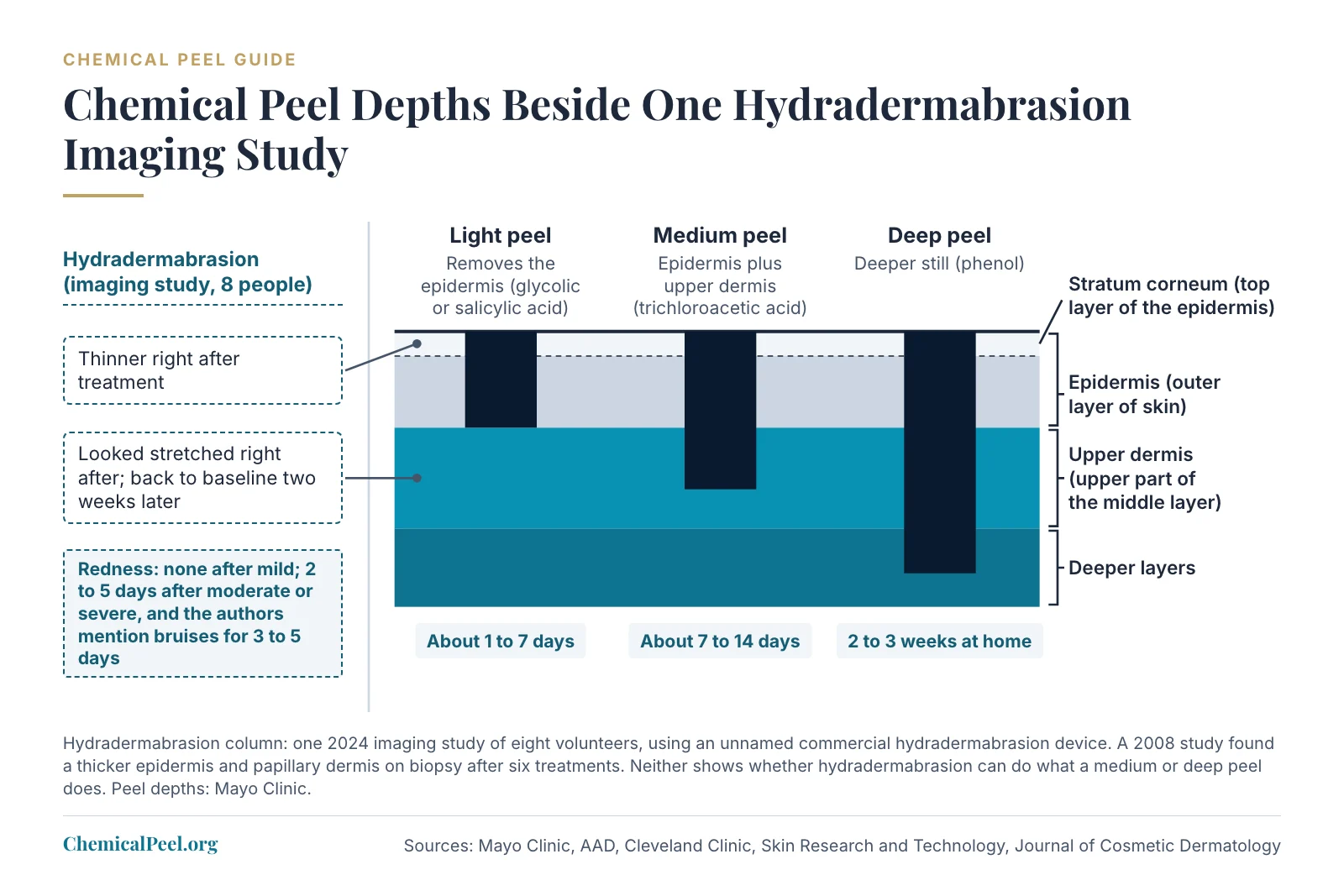
A HydraFacial is a brand-name hydradermabrasion treatment that its maker says includes a peel step, while a chemical peel removes skin at a chosen depth. Here is how they compare and what the research does and does not show.

Is a chemical peel worth it? Compare costs ($100 to $6,000), results longevity, candidacy, and alternative resurfacing treatments to decide.
Jessner's solution is a fixed three-ingredient blend controlled by coats, while TCA is a single acid controlled by strength. Here is how the two compare for depth, downtime and results.
Jessner peel formulations, a split-face trial and its limits, plus questions about candidacy, recovery, treatment courses and cost.
A lactic acid peel gently exfoliates and hydrates for brighter, smoother skin. Learn benefits, results, cost, and safety, then find a qualified provider.
Compare lactic acid peels and vitamin C peel treatments side by side: exfoliation depth, brightening mechanisms, sensitive skin safety, and clinical results.
Have you noticed that some of the most gorgeous celebs, like Jennifer Lopez, Halle, Berry and Jennifer Aniston, have all achieved “over the hill” status, but yet the glow of theirskin can still make college boys drool? Surprisingly, it’s not plastic surgery credited for their youthfulness, but a long history of proactive pampering like religiously exfoliating their faces … Read More
A mandelic acid peel is a superficial alpha hydroxy acid peel. Learn benefits, results, cost, and safety, then find a provider.
Melasma and ordinary hyperpigmentation can look similar, but melasma is hormonally driven, recurs, and can worsen with an aggressive peel, so the two need different treatment plans.
Distinguish Obagi Blue Peel from Blue Peel Radiance and ask about the exact product, candidacy, recovery, follow-up and complete quote.
P50, often searched as a p50 peel, is a leave-on exfoliating toner you apply yourself, not a provider-applied chemical peel. Here is how the two compare and where P50 fits into a peel routine.
Skin peeling after a chemical peel is a healthy sign of renewal, but knowing what’s normal, day by day, makes recovery far less stressful. Here’s everything you need to know.
A branded, provider-applied medium depth peel marketed for pigment and tone.
PRX-T33 is often called a no-peel peel because it works beneath the surface without the frosting or flaking of a classic peel. Here is what it treats, what it costs, and who it suits.
PRX-T33 and BioRePeel both contain trichloroacetic acid, but they come from different Italian makers and the published evidence on them differs. Here is how their ingredients, application and evidence compare.
An oil-loving alpha keto acid peel that clinicians use for congested, acne-prone and sun-damaged skin.
A retinol peel works at the cell receptor level, not by dissolving skin. Learn why peeling starts on day 2 to 4, who it suits, and what a series costs.
A salicylic acid peel uses a beta hydroxy acid that StatPearls calls an excellent option for acne treatment. Learn benefits, cost, and results, then find a provider.
Peeled skin usually looks rougher, darker, and more uneven before it looks better. Here is how to tell an expected phase from a problem worth a call.
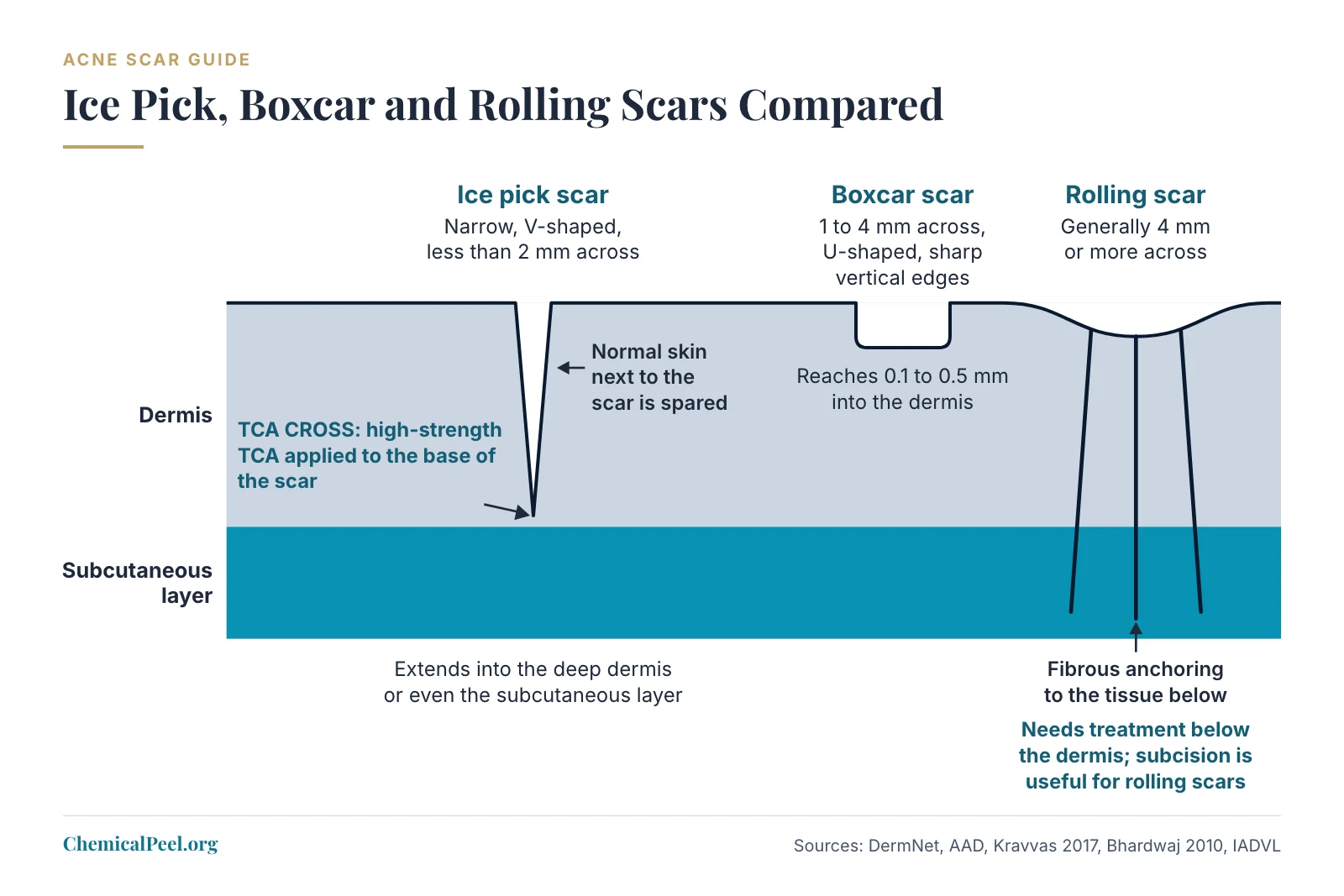
TCA CROSS places a tiny amount of high-strength trichloroacetic acid on the base of each ice pick scar and spares the skin around it. Here is what the studies used, how recovery goes, and the risks, especially for darker skin.
A plain-language breakdown of typical TCA peel pricing, the factors that move it, and how to read a quote before you book.
A TCA peel is a medium-depth chemical peel for sun damage, wrinkles, and acne scars. Learn uses, recovery, results, and cost, then find a qualified provider.
If you’ve ever wondered how some of your favorite celebrities seem to look so flawless all the time, whether they’re shopping at Whole Foods, picking up their kids from school or attending an awards show, they likely owe their glow to chemical peels. While they’ll never tell, everyone from Vanessa Williams and Renee Zellweger to Halle Berry and … Read More
Why ChemicalPeel.org does not publish a VI Peel price, what a complete quote should include, and how to compare providers fairly.
A VI Peel is a blended medium depth chemical peel for dark spots, acne, and fine lines. Learn how it works, results, recovery, and what it costs per session.
What is a chemical peel? Compare superficial, medium, and deep peel levels, what each treats, typical costs, and recovery, then choose the right peel for you.

A clinical reference to absolute and relative contraindications for chemical peels. Learn which conditions require postponing or avoiding treatment entirely.
Search Chicago-area clinics that offer chemical peels, nearest first, then contact the practice to book.