Written by the ChemicalPeel.org editorial team. Published September 22, 2026.
Clinical review pending. This page has not yet been reviewed by a licensed clinician; read it as patient education, not medical advice. How we review
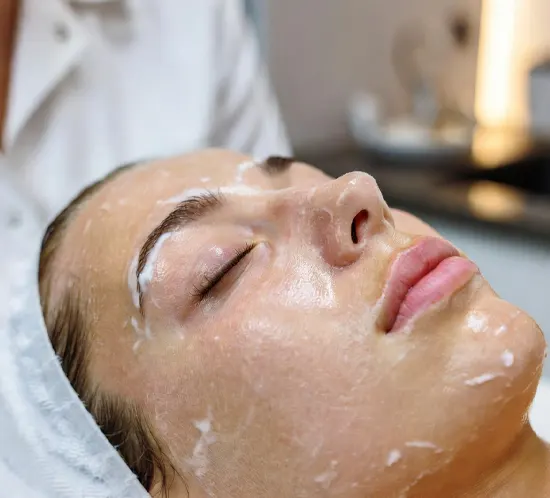
A TCA peel is priced as what it is: an in-office medical treatment that reaches the upper dermis and depends on careful depth control. Typical pricing runs about $300 to $1,500 per session, and full-face medium-depth treatments commonly land between $500 and $1,500. Smaller areas and lighter concentrations sit toward the bottom of that range. Prices vary by region and by provider, so treat every figure here as a planning estimate rather than a quote.
Typical TCA Peel Cost
Most quotes you receive will fall somewhere in the bands below. These are commonly published United States ranges, offered so you can sanity check a quote, not so you can skip getting one.
| What you are booking | Typical cost | Worth asking about |
|---|---|---|
| Consultation | $50 to $150 | Frequently credited toward treatment |
| Spot or partial-face treatment | Lower end of the $300 to $1,500 band | Priced by how much area is treated |
| Full-face medium-depth peel | Commonly $500 to $1,500 | The most frequently quoted service |
| Neck, chest, or hands | Usually billed as separate areas | Ask whether add-on areas are bundled |
| Repeat or maintenance peel | Similar per-session pricing | Some practices discount returning patients |
For context across the full depth ladder, our main chemical peel cost guide puts superficial peels at about $100 to $400 per session and deep phenol peels at $2,500 to $6,000 or more. A TCA peel sits in the middle because it does considerably more than a surface exfoliation and considerably less than a deep resurfacing procedure.
What Drives TCA Peel Pricing
Two clinics can quote very different numbers for what sounds like the same treatment. These are the variables usually responsible.
Concentration and technique
Trichloroacetic acid is used across a wide range of strengths. A light application intended only to refresh the epidermis is a shorter, simpler visit than a true medium-depth peel taken to a clinical frosting endpoint, and it is normally priced accordingly. Combination approaches, such as layering a preparatory solution under the TCA, add product and chair time. Focal techniques placed inside individual scars are a different service again and are often quoted per treatment session rather than per area. If you want to understand what the clinician is actually doing at each strength, read our overview of the TCA peel procedure before you compare prices.
How much skin is treated
Area is the second biggest lever. A few spots on the cheeks costs less than a full face, and adding the neck, chest, or backs of the hands raises the total because each is a separate treated zone with its own aftercare. When you compare two quotes, confirm that both describe the same area at the same strength. Otherwise you are comparing two different treatments.
Who performs it and where
Medium-depth peels reward experience, and pricing tends to reflect that. A board-certified dermatologist or plastic surgeon who performs these routinely will usually charge more than a lower-priced alternative, and for a treatment that reaches the dermis, that clinical judgment is much of what you are buying. Practice overhead matters too: a downtown medical office in a large metropolitan market generally prices above a comparable practice in a smaller city. Our guidance on choosing a provider covers the credentials worth verifying first.
What is bundled into the fee
Some practices quote a single number that covers pre-peel conditioning products, the treatment, an antiviral prescription if you need one, follow-up visits, and a post-peel aftercare kit. Others quote the peel alone and bill the rest separately. Neither approach is wrong, but they are not comparable until you ask.
What a Complete Quote Should Include
Before you put down a deposit, ask the practice to confirm each of these in writing:
- The exact treatment. The acid used, the approximate strength, and whether any preparatory solution is layered underneath.
- The area or areas. Full face, partial face, or specific spots, plus the price of any add-on zone you are considering.
- Pre-peel preparation. Whether conditioning products for the weeks beforehand are included or purchased separately.
- Follow-up visits. How many are included and what a visit costs if you need an extra one.
- Aftercare supplies. Whether ointment, gentle cleanser, and sunscreen come with the treatment.
- Who performs the peel. The name and credentials of the person holding the applicator, not just the practice.
Consultations, Deposits, and Prepayment
Consultations for medium-depth peels commonly cost $50 to $150, and many practices credit that fee toward the treatment if you book. Some waive it entirely. Because a TCA peel is not appropriate for every skin type, history, or medication list, a consultation is genuinely diagnostic rather than a formality, and paying for one that results in a recommendation against the peel is still money well spent.
Deposits are common for longer appointments. Ask what happens if you need to reschedule, and be cautious about prepaying for several treatments before a single one has been performed on your skin.
How TCA Compares on Price
If you are weighing depths rather than clinics, this is the practical comparison.
| Peel | Depth | Typical per session | How it is usually planned |
|---|---|---|---|
| Glycolic or other superficial acid | Epidermis | $100 to $400 | A series of several sessions |
| Jessner type solution | Superficial to medium | Within the medium-depth band | One to a few sessions |
| TCA | Medium | $300 to $1,500 | Often one, repeatable later |
| Phenol | Deep | $2,500 to $6,000 or more | Usually once |
A single TCA peel can cost more than one superficial session while costing less than a full course of them. If you are still deciding, compare it against a glycolic acid peel series, against a branded VI Peel, or against a deep phenol peel at the far end of the ladder.
Budget for Downtime, Not Just the Fee
The invoice is not the whole cost. A medium-depth peel commonly means about a week of visible peeling, and our recovery timeline walks through what each day looks like. If you need to be camera-ready or client-facing, factor in time away. Add the ongoing cost of daily broad-spectrum sunscreen and gentle aftercare, which protect the result you paid for.
Ways to Manage the Cost
- Treat a smaller area first. If your concern is concentrated in one zone, ask whether a partial treatment would meet your goal at a lower price.
- Ask about payment plans. Many practices offer in-house financing or work with third-party medical lenders.
- Check your flexible spending or health savings account rules. Cosmetic treatments generally do not qualify, but the answer can change when a physician documents a medical reason, which our guide to insurance coverage for chemical peels explains.
- Ask about off-season scheduling. Peels are commonly performed in cooler months, and some practices promote lighter periods.
- Do not shop on price alone. Correcting a burn, a scar, or a pigment change from a poorly performed medium-depth peel costs far more than the original treatment would have.
Medical Disclaimer
This page is provided by ChemicalPeel.org for patient education and is not medical advice. ChemicalPeel.org is an education resource and not a clinic. Individual results vary, and the information here does not replace a consultation with a qualified, board-certified provider. Always discuss your medical history and treatment options with a licensed clinician before pursuing any chemical peel.
Getting a Real Number
Published ranges orient you. Only a clinician who has examined your skin can price your treatment, because the strength, the area, and the preparation you need are all clinical decisions. When you are ready, find a qualified provider who performs medium-depth peels regularly, and bring the quote checklist above to the appointment.
Frequently Asked Questions
How much does a TCA peel cost?
Typical pricing runs about $300 to $1,500 per session, and a full-face medium-depth treatment commonly falls between $500 and $1,500. Spot treatments and lighter applications sit toward the low end. Prices vary by region and provider, so confirm the number with a practice near you.
Why is a TCA peel more expensive than a glycolic peel?
A TCA peel reaches the upper dermis, which requires more clinical skill, more chair time, and more follow-up than a superficial exfoliation. Superficial peels commonly cost $100 to $400 per session but are usually planned as a series, so the total for a full course can approach the cost of a single medium-depth peel.
Is there a consultation fee for a TCA peel?
Often yes. Consultations commonly cost $50 to $150 and are frequently credited toward the treatment if you book. Some practices do not charge at all. Ask when you schedule.
Does the quoted price include aftercare products?
Sometimes. Some practices bundle pre-peel conditioning products, follow-up visits, and a post-peel aftercare kit into one fee, while others price the peel alone. Ask for an itemized quote so you can compare practices fairly.
Do I pay more to treat the neck, chest, or hands?
Usually. Those are typically treated as separate areas with their own price, because each adds application time and its own aftercare. Ask for the combined total before you book.
Are TCA peels sold in packages?
Less often than superficial peels. A medium-depth peel is commonly performed once and repeated later if needed, rather than as a set series, so most practices price it per session. Some discount repeat treatments for returning patients.