Written by the ChemicalPeel.org editorial team. Published September 22, 2026.
Clinical review pending. This page has not yet been reviewed by a licensed clinician; read it as patient education, not medical advice. How we review
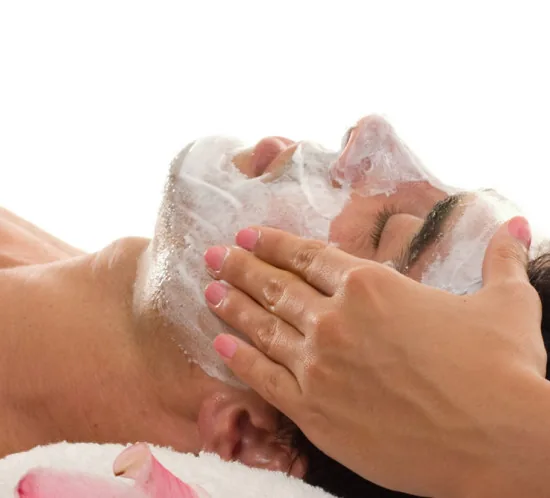
A glycolic acid peel is the entry point to professional peeling, and its price reflects that. Typical pricing runs about $100 to $400 per session in the United States, with the spread driven mostly by acid strength, the type of practice you visit, and how much of the visit is treatment versus a full facial service. Prices vary by region and by provider, so use these figures for planning and confirm the real number with a practice near you.
Typical Glycolic Acid Peel Cost
Glycolic acid is an alpha hydroxy acid that works on the epidermis, the outermost layer of skin. Because a single superficial pass produces a subtle change, providers almost always recommend a course of treatments spaced a few weeks apart. That makes the series total the number worth budgeting.
| What you are booking | Typical cost | How it is usually planned |
|---|---|---|
| Consultation or skin assessment | $50 to $150 | Frequently credited toward treatment |
| Single glycolic peel session | $100 to $400 | Rarely a standalone plan |
| Typical course of several sessions | Multiply the per-session price | Spaced two to four weeks apart |
| Maintenance visit after the course | Same per-session band | Periodic, as your provider advises |
Our broader chemical peel cost guide places all superficial peels, glycolic among them, in that $100 to $400 band. The comparison worth holding in mind: a medium-depth TCA peel commonly costs $300 to $1,500 for a single session, so a full glycolic course and one medium peel can land in similar territory while producing very different results.
Pricing by Acid Strength
Professional glycolic peels are offered across a range of concentrations, and stronger is not automatically better for your skin. Higher strengths generally cost more because they demand more clinical oversight and more careful aftercare, and because they are usually performed in a medical setting.
Lower concentrations
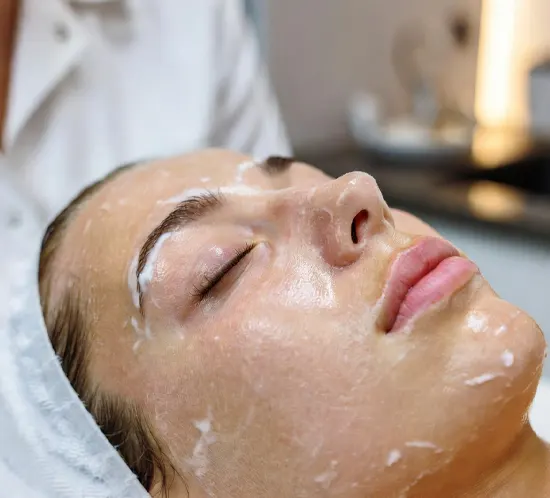
A gentle glycolic treatment is the classic lunchtime peel: a short appointment, a mild tingle, and little or no visible flaking. These sit at the lower end of the $100 to $400 band and are often the starting point for a first-time patient or for sensitive skin. Providers frequently begin here and step up strength on later visits once they see how your skin responds.
Higher concentrations
Stronger glycolic solutions, and solutions left on longer before neutralizing, reach further into the epidermis and produce a more noticeable refresh with a few days of light flaking. They typically price toward the upper end of the band. Because glycolic acid does not self-neutralize the way trichloroacetic acid does, timing and neutralization are part of the clinical skill you are paying for. Our glycolic acid peel overview explains how that process works.
Custom blends and add-ons
Many practices blend glycolic acid with other acids or pair it with extractions, a mask, or a light device treatment. Those are separate services bundled into one visit, and the price rises accordingly. When you compare quotes, ask what is in the bottle and what else is in the appointment.
Pricing by Setting
Where you have the peel performed often matters as much as what is in it.
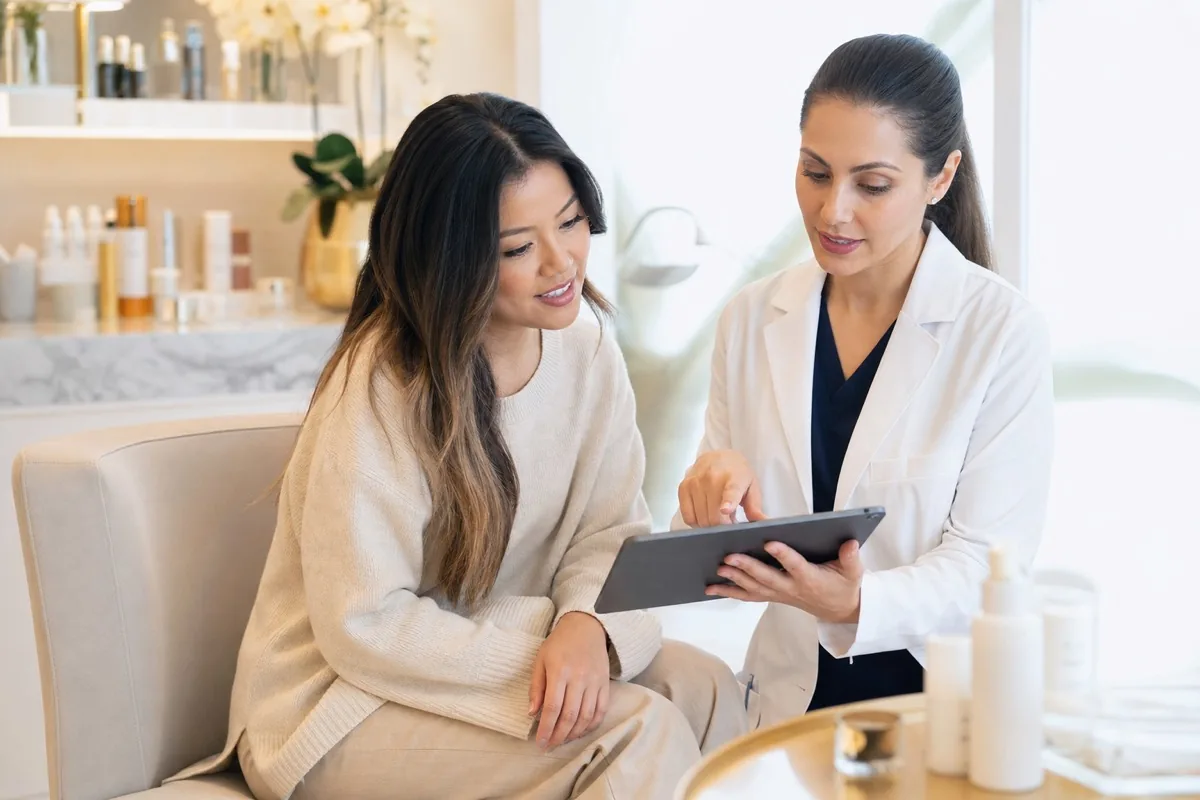
- Dermatology and plastic surgery practices. Generally the higher end of the range. You are paying for physician oversight, a medical intake, and a practice equipped to manage a reaction if one occurs. This is the appropriate setting if you have melasma, deeper skin tone, rosacea, a complicated medication list, or a history of pigment problems.
- Medical spas. Commonly the middle of the range. Treatments are typically performed by licensed estheticians or nurses under medical direction. Ask who supervises and who performs.
- Day spas and salons. Usually the lowest prices, and usually the mildest formulations, since what an esthetician may apply is limited by state rules. Fine for maintenance on uncomplicated skin, and not the right place for a pigment disorder.
Geography layers on top of setting. The same peel commonly costs more in a large metropolitan market than in a smaller city. Our guidance on choosing a provider covers what to verify before the price conversation starts.
Packages, Memberships, and the Series Total
Because superficial peels build on each other, most practices sell them in packages, and packages are commonly discounted against the single-visit price. Monthly memberships that fold a light peel or facial into a recurring fee are also widespread. Both can be reasonable value, with two cautions.
- Let the provider examine you first. A package only saves money if the plan actually fits your skin and your concern. Prepaying before anyone has looked at your face is how people end up with sessions they do not need.
- Read the expiration and refund terms. Ask how long you have to use the sessions, whether unused visits are refundable, and whether the package transfers if you move.
At-Home Glycolic Products Versus In-Office Peels
Over-the-counter glycolic products cost a fraction of a professional session, and for maintenance between visits they can be a sensible part of the budget. They are not a substitute. Consumer formulas use much lower acid concentrations than professional treatments, so the results are milder and slower, and higher-strength acid bought online without guidance is a genuine way to injure your skin. Our comparison of at-home versus professional peels lays out where each one fits. Ask your provider which at-home products complement your in-office plan rather than competing with it.
What Else to Budget
- Daily broad-spectrum sunscreen. Non-negotiable during and after a peel course, and an ongoing cost.
- Gentle cleanser and moisturizer. Most practices will recommend simplifying your routine around treatment days.
- A short window of light flaking. Minor, but worth scheduling around an event.
- A possible step up in depth. If a glycolic course does not reach your goal, the next conversation is usually about a medium-depth peel, at medium-depth pricing.
Is a Glycolic Series the Right Spend?
For mild dullness, early texture changes, and general maintenance, a glycolic course is often the best value in professional skincare. For moderate sun damage, established pigmentation, or wrinkles with real depth, a series of superficial peels can turn into an expensive way to underdeliver. If your concern is stubborn hyperpigmentation or lined and photoaged skin, ask the provider directly whether glycolic is the efficient path or the slow one, and compare against a single branded medium-depth peel.
Medical Disclaimer
This page is provided by ChemicalPeel.org for patient education and is not medical advice. ChemicalPeel.org is an education resource and not a clinic. Individual results vary, and the information here does not replace a consultation with a qualified, board-certified provider. Always discuss your medical history and treatment options with a licensed clinician before pursuing any chemical peel.
Get a Quote for Your Skin
Ask for the series price, not just the session price, and ask what the plan looks like if your skin responds faster or slower than expected. When you are ready, find a provider near you and bring your goals, your current products, and your medication list to the consultation.
Frequently Asked Questions
How much does a glycolic acid peel cost?
Typical pricing runs about $100 to $400 per session in the United States. Lower concentrations and spa settings sit at the bottom of that range, while stronger medical-grade treatments sit at the top. Prices vary by region and provider.
How much does a full course of glycolic peels cost?
Multiply the per-session price by the number of sessions your provider recommends, then ask whether a package discount applies. Because superficial peels work cumulatively, the course total is the realistic budget rather than the single-visit price.
Does a stronger glycolic peel cost more?
Generally yes. Higher concentrations require more clinical oversight, careful neutralization, and more attentive aftercare, and they are usually performed in a medical setting, all of which push the price toward the upper end of the typical range.
Is a glycolic peel cheaper at a med spa than a dermatologist?
Often, yes, but the settings are not interchangeable. A dermatology practice generally prices higher and offers physician oversight and a medical intake, which matters if you have melasma, deeper skin tone, rosacea, or a history of pigment problems.
Are at-home glycolic products a cheaper substitute?
They cost far less and can be useful for maintenance between professional visits, but they are not equivalent. Consumer formulas use much lower concentrations, so results are milder and slower, and high-strength acid used without guidance can injure your skin.
Should I prepay for a package?
Only after a provider has examined your skin and recommended a specific plan. Confirm how long the sessions stay valid and whether unused visits are refundable before you pay.