Written by the ChemicalPeel.org editorial team. Published September 22, 2026.
Clinical review pending. This page has not yet been reviewed by a licensed clinician; read it as patient education, not medical advice. How we review
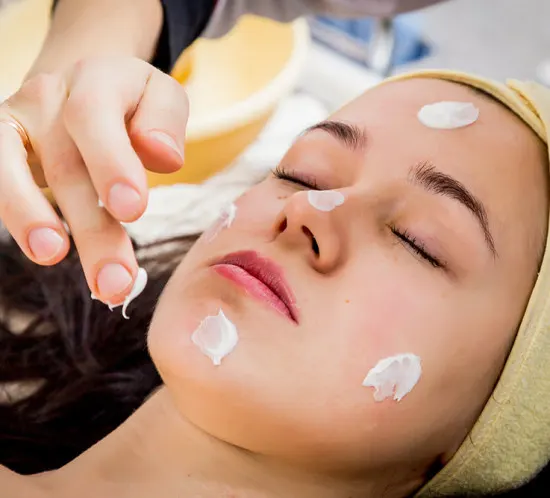
People with brown and Black skin are often told, wrongly, that chemical peels are not for them. Peels are used routinely in richly pigmented skin, and superficial peels in particular have a long track record for acne, dullness, uneven tone, and dark marks. What changes is the margin for error. Skin with more active pigment cells responds to injury by making more pigment, so the same peel that leaves fair skin pink can leave darker skin with patches that take months to fade. The decisions that protect you happen before the acid touches your face.
The Fitzpatrick Scale, Briefly
The Fitzpatrick scale sorts skin into six phototypes based on how it responds to sun, from type I, which always burns and never tans, to type VI, deeply pigmented skin that rarely burns. Providers use it as shorthand when choosing peel depth, though it is a rough tool. Two people with the same phototype can pigment very differently after injury, and how your skin has behaved after a scratch, a burn, or a breakout is often more informative than where you land on the scale. Mention both at your consultation.
Why the Risk Is Different
The central concern is post inflammatory hyperpigmentation, or PIH. Inflammation triggers pigment cells to overproduce, and in phototypes IV through VI those cells are more numerous and more reactive, so the treated area can heal darker than the skin around it. A second concern runs the other way. Deep peels can permanently lighten treated skin, and in richly pigmented skin that shows as an obvious mismatch with a visible line where the treatment stopped.
Both risks scale with depth. That is the whole logic of peeling darker skin: go shallow, go slowly, and build results across a series rather than trying to get there in one aggressive session. Our guide on how a chemical peel works explains what each depth reaches.
Safer Choices by Fitzpatrick Type
| Fitzpatrick type | Sun response | Generally well tolerated | Approach with extra caution |
|---|---|---|---|
| I to III | Burns easily to sometimes, tans minimally to gradually | Superficial and medium peels | Deep peels, which remain physician procedures |
| IV | Burns minimally, tans easily | Superficial peels, and medium peels in experienced hands with priming | Higher concentration TCA, deep phenol peels |
| V | Rarely burns, tans very easily | Superficial peels, usually as a series with priming | Medium peels, which need an experienced provider and careful priming |
| VI | Rarely burns, deeply pigmented | Superficial peels with conservative concentrations and priming | Medium peels; deep phenol peels are generally avoided |
Treat this table as a conversation starter, not a prescription. A provider who treats skin of color regularly will individualize all of it based on your history, the condition being treated, and how a test spot behaves.
Which Peels Come Up Most Often
Superficial Peels
These are the workhorses for darker skin because they stay in the epidermis and can be repeated. A mandelic acid peel is frequently chosen first: its larger molecule penetrates more slowly and gently, which is exactly the property you want. A lactic acid peel is similarly mild and hydrating. A salicylic acid peel is a common choice for acne and clogged pores in skin of color, and a low concentration glycolic acid peel is widely used when the skin has tolerated it.
Medium Peels
A TCA peel at lower concentrations is used in darker skin by providers who do it often, usually after weeks of priming and often on a test spot first. A Jessner's peel is sometimes applied in fewer layers for the same reason, since layer count drives depth. These are not beginner treatments for phototypes V and VI, and the honest answer is that the provider matters more than the acid.
Proprietary and Pigment Directed Options
A VI peel is a blended formula marketed for use across skin types, and a Cosmelan peel is a depigmenting protocol often used for stubborn pigment and melasma. Both still require an experienced provider and diligent aftercare. If pigment is your main concern, our guides to chemical peels for hyperpigmentation and chemical peels for melasma go deeper on what responds and what does not.
Deep Peels
Deep phenol peels are generally avoided in richly pigmented skin because of the risk of permanent lightening and a visible demarcation line, on top of the systemic risks that make them physician only procedures at any skin tone.
Priming: The Step That Does the Most Work
Priming means using prescription topicals for several weeks before the peel to quiet pigment activity in advance. It is standard practice for higher phototypes, and it is the single preparation step most worth insisting on. Your provider chooses the regimen, which may include a pigment directed prescription cream, a retinoid, and daily broad spectrum sunscreen, and they will tell you when to stop each one before treatment.
Two other steps belong here. Ask for a test spot in an inconspicuous area so an unpredictable reaction shows up on a small patch rather than across your face. And be honest about sun exposure, because peeling recently tanned skin raises the odds of uneven pigment afterward. Our pre treatment checklist walks through the full timeline.
Choosing a Provider
Experience with your skin tone is not a nice extra here, it is the safety measure. Before you book, ask:
- How often do you treat Fitzpatrick types V and VI, and with which peels?
- Can I see before and after photos of patients with skin like mine?
- Do you prime higher phototypes, and what do you use?
- What depth are you aiming for, and why that one for my skin?
- What is your plan if I develop post inflammatory hyperpigmentation, and how quickly can you see me?
- Who is actually performing the peel, and what is their training for this depth?
Vague answers to the last two are a reason to keep looking. Our guide to choosing a provider covers credentials in more detail, and you can search for a provider near you.
Aftercare Is Not Optional Here
Every aftercare rule matters more when your skin pigments readily. Broad spectrum SPF 30 or higher every morning, reapplied outdoors, plus hats and shade. No picking, pulling, or helping flakes along, since that is a direct route to a dark mark. Gentle cleanser, bland moisturizer, and no retinoids or acids until your provider clears them. Many providers schedule peel series for the lower sun months for exactly this reason. The full routine is in our aftercare guide.
If You Get a Dark Patch Anyway
Call your provider rather than trying to fix it yourself, and do not reach for stronger acids at home, which usually deepens the problem. PIH after a peel commonly improves with strict sun protection, prescription pigment directed topicals, and time, typically measured over several months. Getting on a plan early matters more than which product you use. Our guide to chemical peel side effects sets out what else warrants a call.
Medical Disclaimer
This page is provided by ChemicalPeel.org for patient education and is not medical advice. Individual results vary, and the information here does not replace a consultation with a qualified, board certified provider. Always discuss your medical history and treatment options with a licensed clinician before pursuing any chemical peel.
Find a Provider Who Treats Skin Like Yours
The right peel for darker skin is usually a conservative one performed by someone who does it often. Find a qualified provider near you and ask the questions above, or compare depths first in our overview of chemical peel types.
Frequently Asked Questions
Are chemical peels safe for dark skin?
Yes, when the depth and acid are chosen carefully and the provider has experience with richly pigmented skin. Superficial peels using mandelic, lactic, salicylic or low concentration glycolic acid are used routinely in Fitzpatrick types IV to VI. The main risk to manage is post inflammatory hyperpigmentation, which rises with peel depth.
Which chemical peel is best for Fitzpatrick type V or VI skin?
There is no single best peel, but superficial peels are the usual starting point, with mandelic acid often chosen first because it penetrates more slowly. Lactic, salicylic and low concentration glycolic acid are also common. Medium peels can be used in experienced hands with priming, while deep phenol peels are generally avoided.
Can a chemical peel make hyperpigmentation worse on dark skin?
It can, if the peel is too deep for the skin, if the skin was not primed, or if sun exposure and picking interfere with healing. That is why providers favor lighter depths, several weeks of preparatory topicals, a test spot, and strict daily broad spectrum sun protection for higher Fitzpatrick types.
What is priming and do I need it?
Priming is using prescription topicals for several weeks before a peel to quiet pigment activity in advance, which lowers the chance of dark marks afterward. It is standard practice for higher Fitzpatrick phototypes and before medium peels. Your provider decides the regimen and when to stop each product before treatment.
Should I ask for a test spot before a peel on darker skin?
It is a reasonable request, particularly for a first peel or anything deeper than a light superficial peel. A small patch on an inconspicuous area lets an unpredictable reaction appear on a fingernail sized area rather than across your whole face. Ask your provider whether they recommend one for your treatment.
How do I find a provider experienced with skin of color?
Ask directly how often they treat Fitzpatrick types V and VI and with which peels, ask to see before and after photos of patients with similar skin, ask whether they prime higher phototypes, and ask who is actually performing the peel and what their training is for that depth. Vague answers are a reason to keep looking.