Written by the ChemicalPeel.org editorial team. Published September 22, 2026.
Clinical review pending. This page has not yet been reviewed by a licensed clinician; read it as patient education, not medical advice. How we review
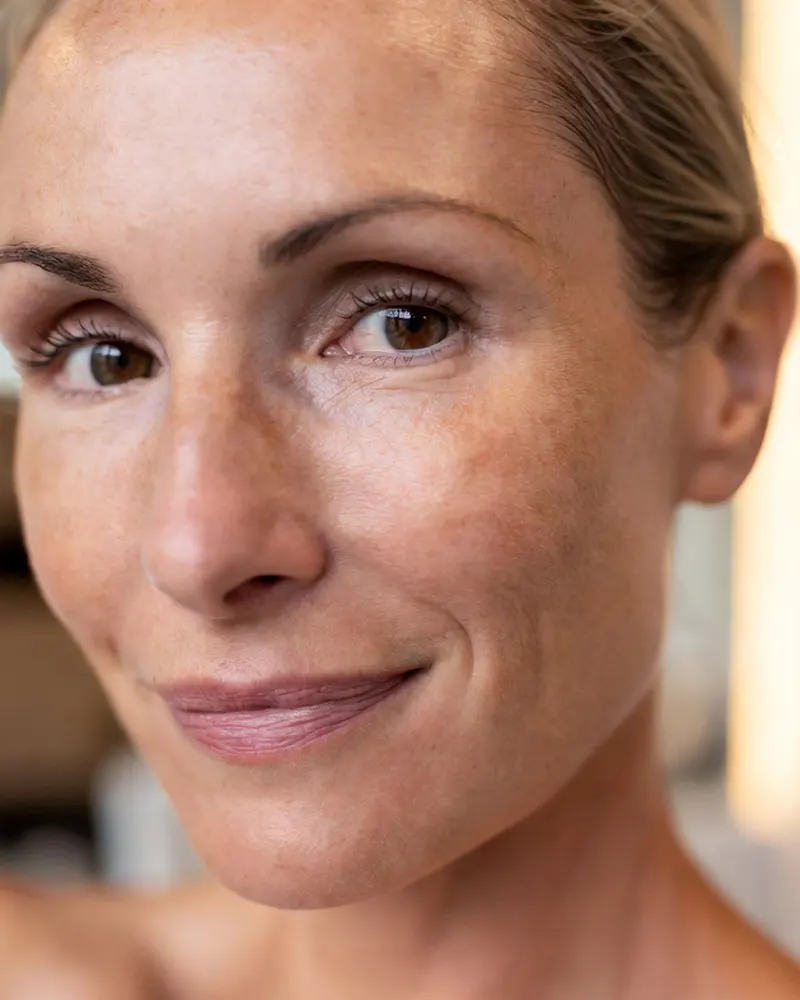
A chemical peel for dark spots works by dissolving the bonds between pigment-loaded surface cells so they shed and lighter, more evenly toned skin replaces them. It is one of the most established in-office options for the flat brown marks people call dark spots, age spots, sun spots, or liver spots, along with the stubborn discoloration left behind by old breakouts. The catch is that not all dark spots are the same, and a peel that clears one kind can aggravate another. This guide explains how to tell your spots apart, which peels suit each pattern, how many sessions to plan for, what changes in deeper skin tones, and when a spot belongs in front of a clinician instead.
What Dark Spots and Age Spots Actually Are
Dark spots are areas where pigment cells have deposited more melanin than the skin around them. The medical umbrella term is hyperpigmentation, and our broader guide to peels for hyperpigmentation covers the category as a whole. Age spots specifically, known clinically as solar lentigines, are flat tan to dark brown patches on the areas with the most lifetime sun exposure: face, chest, shoulders, forearms, and the backs of the hands. Despite the name, they are a record of ultraviolet exposure rather than of birthdays.
Most dark spots sit relatively close to the surface, in the epidermis, which is why chemical peels work well on them. Pigment that has settled deeper in the dermis fades far more slowly and less completely, and depth is one of the things a provider assesses when they examine your skin.
Not All Dark Spots Respond the Same Way
Identifying the pattern matters more than picking a brand of peel. Four types account for most of what people want treated.
| Type | Usual cause | How it responds to peels |
|---|---|---|
| Sun spots and age spots | Cumulative ultraviolet exposure | Responds well, often the best candidate |
| Post-inflammatory hyperpigmentation | Acne, bug bites, eczema, any skin injury | Responds well to a superficial series |
| Melasma | Hormones plus light and heat | Improves but recurs, and aggressive peels can worsen it |
| Freckles | Genetics plus sun | Can lighten, but typically return with sun exposure |
Melasma is the important exception. It is reactive, and the inflammation that helps other pigment clear can push melasma to produce more. If your patches are large, symmetric, and hormonally timed, read our chemical peel for melasma guide before booking, because the strategy is deliberately gentler.
Have New or Changing Spots Evaluated First
A chemical peel is cosmetic and cannot diagnose anything. Before treating spots, have a clinician look at anything new, growing, changing color or shape, asymmetric, irregularly bordered, raised, itchy, crusty, scaly, or bleeding. Rough, gritty patches that flake off and come back can be actinic keratoses, sun-induced precancerous lesions that need medical treatment on their own terms. Peeling over a lesion can temporarily blur its appearance and delay a diagnosis that depends on watching how a spot changes. Get the skin check first, then plan the cosmetic work.
How a Peel Fades a Dark Spot
Three mechanisms are at work. The acid loosens the bonds between pigment-loaded cells in the outer layers so they shed faster than they would on their own. Accelerated cell turnover moves trapped pigment toward the surface and out. And the exfoliated surface lets brightening topicals penetrate better, which is why providers pair peels with prescribed or cosmeceutical products rather than relying on the peel alone. Our explainer on how chemical peels work covers the chemistry.
Which Peels Work Best for Dark Spots
Superficial Acid Peels
Most pigment work starts here. A glycolic acid peel is the classic choice for sun spots and general unevenness. A salicylic acid peel is oil soluble and well suited to post-acne marks on oily skin, and our peels for acne guide covers that pathway. A lactic acid peel is gentler and hydrating, and a mandelic acid peel uses a larger molecule that penetrates slowly, making it a common first choice for sensitive skin and deeper skin tones. Plan on a series rather than a single visit.
Medium-Depth Peels
When spots are long standing, deeper, or have not moved after a superficial series, a TCA peel can clear more in one session by reaching the upper dermis. Jessner's solution is another medium option and is often layered under TCA to even out penetration. Both require an experienced provider and cost you roughly a week of visible peeling.
Blended and Program Peels
The VI Peel is a blended, self-neutralizing formula with pigment-focused versions that aim for medium-peel results with a more predictable recovery. For widespread or treatment-resistant pigment, the Cosmelan system combines an in-office mask with a months-long home cream phase that suppresses pigment production rather than only exfoliating it.
Dark Spots on Deeper Skin Tones
Peels are used safely on medium and deep skin tones every day, but the margin for error is smaller. Melanin-rich skin has more reactive pigment cells, so an overly aggressive peel or unprotected sun exposure during healing can trigger post-inflammatory hyperpigmentation, meaning the treatment aimed at fading spots creates new ones. Providers manage that with conservative starting strengths, gentler acids such as mandelic and lactic, longer priming with brightening topicals, gradual progression, and sometimes a test spot first. Deep phenol peels are generally avoided in darker skin because of the risk of lasting lightening. The most reliable safeguard is a clinician who treats skin of color routinely and can show results in patients whose skin resembles yours.
How Many Sessions and When You See Results
- Consultation. Your provider identifies the type and depth of your pigment, confirms your skin type, and reviews your history, including any tendency toward scarring or rebound pigment.
- Priming. Two to six weeks of provider-directed topicals and daily sunscreen before the first peel, especially for medium peels and deeper skin tones.
- The series. Most superficial plans run four to six sessions spaced two to four weeks apart, with visible brightening after each round of flaking.
- Assessment. Around the midpoint your provider decides whether to hold the strength, step it up, or change acids.
- Maintenance. Once spots fade, results are held with daily sun protection, brightening topicals, and periodic touch-up peels.
A single medium-depth peel can accomplish more in one visit at the cost of about a week of peeling, and it is often still followed by maintenance. Be skeptical of any promise of total clearance in one appointment.
Aftercare That Protects the Result
- Sunscreen every morning. Broad-spectrum SPF 30 or higher, reapplied every two hours outdoors. Freshly peeled skin pigments easily.
- Do not pick or pull flakes. Forcing skin off early is a direct route to new pigment or scarring, as our peeling timeline explains.
- Keep it bland. Gentle cleanser, simple moisturizer, no scrubs or new actives until your provider clears them.
- Pause exfoliating actives. Retinoids and acids go back in on your provider's schedule, usually about a week after a light peel.
- Know the warning signs. Blistering, spreading redness, pus, or worsening pain warrants a call, as our guide to a chemical peel gone wrong describes.
Our full aftercare guide expands on each of these.
What It Costs
These are industry estimates rather than quotes. Superficial glycolic, salicylic, lactic, or mandelic peels commonly run about $100 to $300 per session in the United States, and since dark spots usually need a series, budgeting for four to six sessions gives a realistic total. Blended peels such as the VI Peel are often priced around $250 to $600 per treatment. Medium-depth TCA peels commonly range from roughly $300 to $1,500 depending on strength and provider, and the Cosmelan program is typically priced as a package including its home-care phase. Treating the hands or chest adds cost, and because this work is cosmetic, insurance does not typically cover it. Our cost guide has a fuller breakdown, and ChemicalPeel.org is an education resource, not a clinic, so confirm pricing with a provider.
Medical Disclaimer
This page is provided by ChemicalPeel.org for patient education and is not medical advice. Individual results vary, and the information here does not replace a consultation with a qualified, board-certified provider. Always discuss your medical history and treatment options with a licensed clinician before pursuing any chemical peel.
Match the Peel to Your Spots
The difference between a series that clears your spots and one that sets you back is almost always the assessment that happens before the first appointment. Find a qualified provider near you who treats pigmentation regularly and your skin tone specifically, or keep reading our guide to peels for sun damage if your spots come with rough texture and fine lines.
Frequently Asked Questions
Do chemical peels remove dark spots permanently?
Peels can fade and sometimes fully clear surface-level dark spots, but permanence depends on the cause and on your sun habits. Sun spots that clear can stay away for years with daily sunscreen, while new ultraviolet exposure creates new pigment. Melasma is hormonally driven and tends to recur regardless, so it is managed rather than eliminated.
How many chemical peels does it take to fade age spots?
Most providers plan a series of four to six superficial peels spaced two to four weeks apart, with visible brightening after each round of flaking. A single medium-depth TCA or blended peel can accomplish more at once, at the cost of about a week of visible peeling. Long-standing or deeper pigment can take several months of combined peels and topicals.
Which chemical peel is best for dark spots?
There is no single best peel. Glycolic acid is a common first choice for sun spots, salicylic acid suits post-acne marks on oily skin, and mandelic or lactic acid are favored for sensitive skin and deeper tones. Stubborn pigment may call for a medium-depth TCA peel, a blended peel such as the VI Peel, or the Cosmelan program.
Are chemical peels safe for dark spots on deeper skin tones?
Yes, when the peel is chosen carefully. Superficial peels with mandelic, lactic, glycolic, or salicylic acid are used on deeper skin tones routinely, usually at conservative strengths built up over a series with priming beforehand. The main risk is post-inflammatory hyperpigmentation, so provider experience with melanin-rich skin matters as much as the acid itself.
Can a chemical peel make dark spots worse?
It can. A peel that is too strong for your skin, or healing skin exposed to the sun, can cause inflammation that triggers new pigment. The risk is highest in deeper skin tones and with melasma, which reacts to inflammation by producing more melanin. Conservative strengths, priming, and strict sun protection are how providers manage it.
When should a dark spot be checked by a doctor instead of treated?
Any spot that is new, growing, changing color or shape, asymmetric, irregularly bordered, raised, itchy, crusty, scaly, or bleeding should be examined by a clinician before any cosmetic treatment. Rough patches that flake and return can be precancerous. A peel cannot diagnose or treat these and may temporarily obscure the appearance a diagnosis depends on.