Written by the ChemicalPeel.org editorial team. Published September 22, 2026.
Clinical review pending. This page has not yet been reviewed by a licensed clinician; read it as patient education, not medical advice. How we review
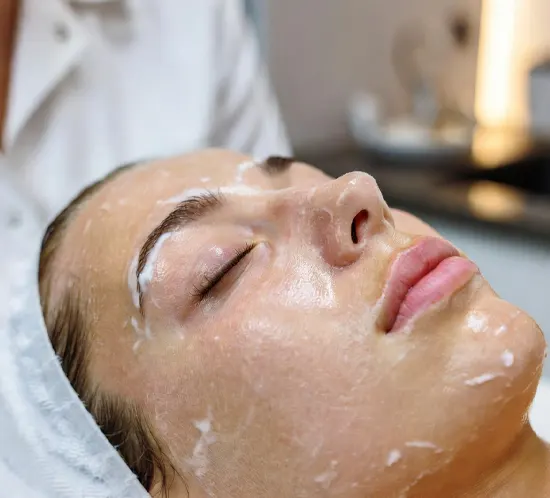
Branded peels like this one exist because most patients do not want to negotiate acid concentrations. Instead of a clinician compounding a solution, the manufacturer supplies a pre-mixed formula with a defined protocol, and providers are trained to apply it the same way each time. That consistency is the selling point, and it is also the reason your experience depends heavily on who applies it and how your skin is prepared.
What the Perfect Derma Peel Is
The Perfect Derma Peel is a professional-use branded peel sold to medical spas, dermatology practices and plastic surgery offices. It is not a retail product and it is not something you can safely replicate at home. The brand positions it as suitable for all Fitzpatrick skin types and markets it for pigmentation, melasma, acne and acne marks, fine lines, dull tone and rough texture.
Publicly, the company describes the formula as a blend rather than a single high-strength acid. The ingredient classes it names include trichloroacetic acid as the resurfacing agent, salicylic acid as an oil-soluble exfoliant, retinoic acid to drive cell turnover, kojic acid and vitamin C as brightening antioxidants, a small amount of phenol, and glutathione, an antioxidant the brand highlights as its signature component. Concentrations are not published, and this guide will not guess at them. What matters clinically is the approach: several moderate-strength ingredients working through different pathways rather than one aggressive acid, which is the same design logic behind other blended peels such as the VI Peel.
Where It Sits on the Depth Ladder
Marketing materials describe it as a medium depth peel. In practice, blended peels of this type behave across a light to medium range depending on how many passes the provider applies and how your skin responds. That is shallower than a full-strength TCA peel and far shallower than a phenol peel. If the vocabulary is new to you, our guide to chemical peel depths explains what each level reaches and why it matters.
What It Is Used For
Providers reach for this peel when the goal is tone and clarity rather than structural change. Common reasons include:
- Uneven pigment. Sun spots, post-acne dark marks and melasma, though melasma is a chronic condition that recurs and needs ongoing management, as our melasma guide explains.
- Active acne and congestion. The salicylic acid component targets oil-clogged pores, and turnover helps clear the buildup that feeds breakouts.
- Dull, rough or tired-looking skin. Resurfacing the outer layers restores light reflection and smoothness.
- Fine lines and early sun damage. Softening, not erasure. Established wrinkles and deep scarring are outside its range.
Be clear-eyed about what it cannot do. Skin laxity, deep folds and pitted acne scars need different tools, and a provider who tells you otherwise is selling rather than advising.
How a Session Works
- Consultation and prep. Your provider reviews your history and medications and may ask you to pause retinoids and exfoliating acids for several days beforehand. People with a history of cold sores are often prescribed a preventive antiviral.
- Cleansing and degreasing. The skin is cleansed and wiped with a degreasing solution so the peel absorbs evenly instead of pooling in oilier areas.
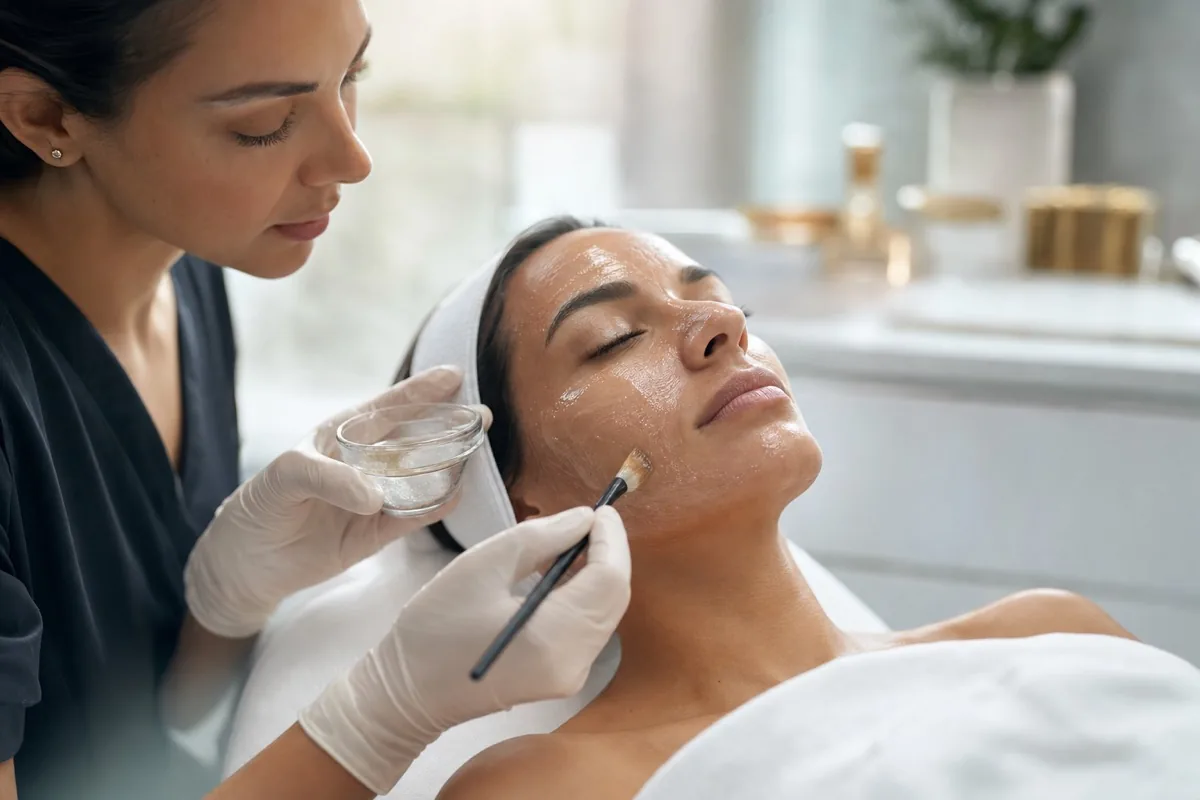
- Application. The solution is applied in thin passes. Most people feel warmth, tingling or a brief sting that settles within a minute or two, often helped along by a handheld fan.
- A leave-on period. This peel is not rinsed off in the office. You go home with it on the skin and wash it off at the time your provider specifies. Follow that timing exactly rather than guessing.
- The at-home kit. You are sent home with post-peel towelettes and a moisturizer, applied on the schedule in your instructions, which encourages even peeling rather than patchy flaking.
- Follow-up. Providers commonly plan a short series spaced several weeks apart, particularly for pigment, then move to periodic maintenance.
The whole appointment usually runs under half an hour. The real work happens over the following week.
Downtime and Recovery, Day by Day
Recovery follows the pattern of most light to medium peels:
- Day 1. Skin may look slightly red or bronzed and feel tight, similar to a mild sunburn. You wash off the solution and begin the kit as directed.
- Day 2. Tightness peaks and the treated skin can look darker or slightly leathery. This is expected and temporary.
- Day 3. Peeling usually starts, typically around the mouth and chin where the face moves most.
- Days 3 to 5. The heaviest flaking window. Do not pull, pick or scrub. Peeling skin early is the most common avoidable cause of dark marks and irritation.
- Days 6 to 7. Flaking finishes and fresher skin is visible.
- Weeks 2 to 4. Tone continues to even out as the new surface settles.
Aftercare is not complicated but it is not optional: a gentle cleanser, bland moisturizer, broad-spectrum SPF 30 or higher every morning, no retinoids or acids until your provider clears them, and no saunas, hot yoga or heavy sweating for the first few days. Our full chemical peel aftercare guide and the peeling and recovery timeline cover the details.
Safety, Side Effects and Who Should Wait
Expected effects include redness, tightness, temporary darkening before flaking, dryness and sensitivity. Less common issues include prolonged redness, a temporary breakout as congested pores clear, post-inflammatory hyperpigmentation, reactivated cold sores, infection and, rarely, scarring when aftercare is ignored or a peel is taken too deep.
Because the formula contains salicylic acid, anyone with an aspirin or salicylate allergy is not a candidate. Retinoic acid and salicylic acid also make it unsuitable during pregnancy and breastfeeding. Providers screen for recent isotretinoin use, active infections, open lesions, recent laser or waxing on the area, and a keloid history. If you have a deeper complexion, ask directly how many patients with skin like yours the provider has treated with this peel and ask to see their own before and after photos.
Results and Typical Cost
Most people notice brighter, smoother, more even skin once flaking finishes at about the one-week mark. Pigment fades gradually rather than all at once, which is why providers plan a series and then maintenance. Results are not permanent: sun exposure, hormones and normal aging continue, so daily sunscreen does more to preserve the outcome than any product in the kit.
As a branded medium depth peel, pricing usually lands in the lower part of the typical United States medium peel range of $300 to $1,500 per session, with packages reducing the per-session price. Costs vary by region, provider credentials and whether add-ons are included, and these are typical ranges rather than a quote. ChemicalPeel.org is an education resource, not a clinic, so confirm pricing with the practice. Our cost guide compares options across depths.
Medical Disclaimer
This page is provided by ChemicalPeel.org for patient education and is not medical advice. Product descriptions reflect information the manufacturer states publicly. Individual results vary, and nothing here replaces a consultation with a qualified, licensed clinician.
Frequently Asked Questions
What is the Perfect Derma Peel?
It is a branded, professional-use chemical peel applied by trained providers in medical spas and dermatology practices. The manufacturer describes it as a blend that includes trichloroacetic acid, salicylic acid, retinoic acid, kojic acid, vitamin C, a small amount of phenol and the antioxidant glutathione, and markets it at a light to medium depth for pigment, acne and tone.
How long does peeling last after a Perfect Derma Peel?
Visible peeling usually begins around day three, is heaviest through day five and finishes by about day six or seven. Skin often feels tight and looks slightly darker for the first two days before flaking starts. Timing varies from person to person.
Does the Perfect Derma Peel hurt?
Most people describe warmth, tingling or a brief sting during application that settles within a minute or two, often eased with a handheld fan. The days that follow feel more like a tight sunburn than pain. Tell your provider immediately if discomfort becomes sharp or severe.
How much does a Perfect Derma Peel cost?
Branded medium depth peels generally fall in the lower part of the typical United States medium peel range of $300 to $1,500 per session. Prices vary by region, provider credentials and packaging, and many practices discount a series. These are typical ranges rather than a quote, so confirm with the practice.
Who should not have this peel?
It is not appropriate during pregnancy or breastfeeding, or for anyone with an aspirin or salicylate allergy, because the formula contains salicylic acid and retinoic acid. Providers also screen for recent isotretinoin use, active skin infections or open lesions, recent laser treatment or waxing on the area, and a history of cold sores or keloid scarring.
How many treatments will I need?
Many people see a visible change after one session, but pigment and acne concerns usually respond best to a short series spaced several weeks apart, followed by periodic maintenance. Your provider should set a realistic number after examining your skin rather than selling a fixed package up front.