Written by the ChemicalPeel.org editorial team. Published July 31, 2026. Updated September 2, 2026.
Medically reviewed on by Stefanie Drozd, MSN-APRN. How we review · Our reviewers
Our reviewers work for or own Express Med Spa and Catara Med Spa, clinics marketed by this site's publisher. That is a commercial conflict of interest and it is worth weighing when you read a review here.
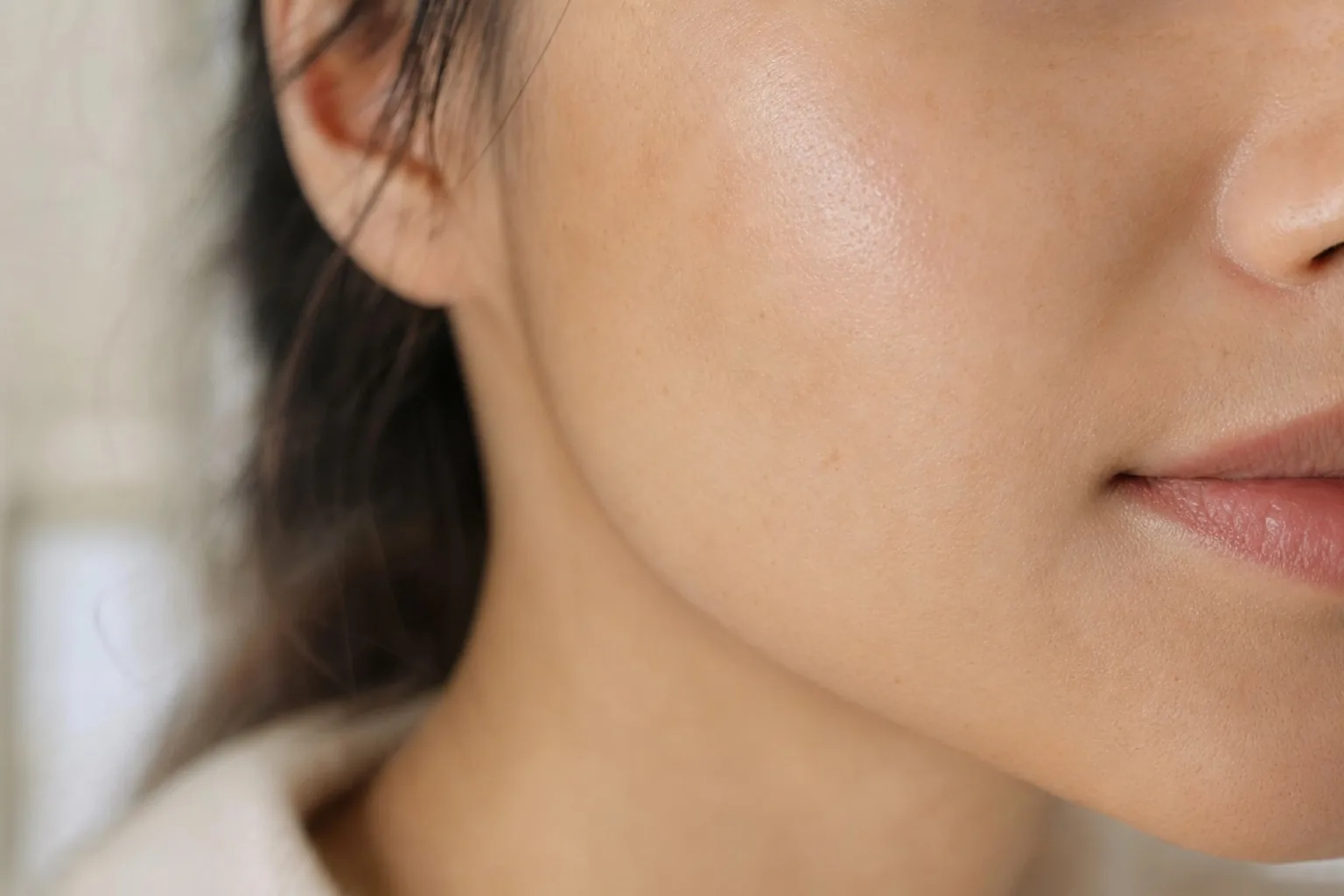
A chemical peel for large pores improves the appearance of enlarged pores by dissolving the oil and dead skin cells that stretch them open and by smoothing the surface texture that makes them catch shadow. No treatment changes the number of pores you have or the baseline size written into your genetics, but the right peel can make pores look noticeably smaller, especially when oiliness and congestion are part of the picture. Superficial peels, most often salicylic acid or glycolic acid, are the workhorses for this concern, and oily, large-pored skin usually tolerates a series of them well. This guide explains what peels can and cannot do for pore size, which acids work best, what a session involves, how recovery goes, and what treatment typically costs.
Can a Chemical Peel Shrink Large Pores?
The honest answer first: a chemical peel does not make pores anatomically smaller; the improvement is in appearance, not structure. Pores are the openings of hair follicles, each connected to an oil gland, and their baseline size is set by genetics, skin type, and hormones. A peel removes the two things that exaggerate them. First, it dissolves the plugs of sebum and dead cells that stretch pore openings, letting each pore settle back toward its natural size. Second, it smooths the rough, dull surface around the pores so the skin reflects light more evenly and the openings become less noticeable. Over a series of treatments, that adds up to skin that reads as refined and even.
Managing expectations matters because pore care is maintenance, not a one-time correction. Skin never stops producing oil and shedding cells, so pores gradually re-congest once treatment stops; providers plan for that with an initial series followed by occasional upkeep peels. Pore work also lives almost entirely at the superficial end of the peel spectrum. Our overview of chemical peel types explains how light, medium, and deep peels differ and why deeper peels are reserved for scarring and advanced sun damage.
Why Pores Look Larger Than They Are
A few predictable factors make pores more prominent:
- Excess oil production, which keeps pores filled and stretched
- Blackheads and trapped debris, which widen and darken the opening
- Sun damage and age, which weaken the collagen supporting pore walls
- Rough, dehydrated surrounding texture, which deepens each pore’s shadow
Peels address the first two directly and the fourth through exfoliation; daily sun protection and collagen-supporting skincare address the third over time.
The Best Chemical Peel for Large Pores
For most people, the best chemical peel for pores is a salicylic acid peel. Salicylic acid is a beta hydroxy acid (BHA), and its defining trait is oil solubility: rather than working only at the surface, it travels into the sebum-filled pore lining and breaks apart the plugs of oil and dead cells that stretch pores and become blackheads. It also has a mild anti-inflammatory effect that calms redness in congested skin. Professional treatments typically use concentrations of roughly 20 to 30 percent. Our full salicylic acid peel guide covers the treatment in detail.
The main alternative, and a frequent partner, is a glycolic acid peel. Glycolic acid is a water-soluble alpha hydroxy acid (AHA) with the smallest molecule in its family, so it exfoliates the surface quickly and evenly. It does not follow oil into the pore the way salicylic acid does, but it excels at the surface half of the problem: rough texture, dullness, and uneven tone that make pores look deeper. Dermatology literature also associates repeated AHA use with support for collagen activity over time, which benefits the skin that frames each pore. Gentler AHAs such as lactic and mandelic acid suit sensitive skin; mandelic is often chosen for oily skin in deeper skin tones. Medium-depth peels such as TCA reach the upper dermis, involve about a week of visible peeling, and are provider-performed treatments aimed at deeper texture damage and scarring, not routine pore maintenance.
| Salicylic acid peel | Glycolic acid peel | |
|---|---|---|
| Acid family | Beta hydroxy acid (BHA), oil soluble | Alpha hydroxy acid (AHA), water soluble |
| Where it works | Inside the pore lining and at the surface | At the skin surface |
| Best for | Oily skin, blackheads, clogged and congested pores | Rough texture, dullness, uneven tone around pores |
| Pore benefit | Dissolves the plugs that stretch pores | Smooths the surface so pores look shallower |
| Neutralization | Self-neutralizing | Neutralized by the provider |
| Downtime | Minimal, light flaking for a few days | Minimal, light flaking for a few days |
Many providers alternate the two acids across a series, using salicylic sessions to keep pores clear and glycolic sessions to polish tone and texture. If you are choosing a chemical peel for oily skin, salicylic acid usually comes first; a consultation settles the sequence for your skin.
Do Chemical Peels Help With Blackheads?
Yes, and large pores and blackheads are really two stages of the same story. A blackhead, or open comedo, is a pore whose plug of oil and dead cells has reached the surface and darkened on contact with air, stretching the pore while it sits there. Salicylic acid loosens these plugs from the inside, which is why it is the standard chemical peel for blackheads: a series of BHA peels steadily clears existing blackheads and slows the formation of new ones. Some providers add gentle professional extractions once the acid has softened the plugs, which clears stubborn blackheads more comfortably.
The boundary to respect is active acne. If congestion has progressed to inflamed breakouts, papules, pustules, or deeper cysts, the treatment plan changes and peels become one tool inside a broader medical strategy. Our guide to chemical peels for acne covers that territory, including how peels combine with prescription treatment.
How a Pore-Focused Peel Session Works
A superficial peel appointment for pores is short, commonly 30 minutes or less, and follows the same arc with either acid:
- Consultation and preparation. Your provider reviews your skin type, congestion, medications, and history, and may have you pause retinoids and other exfoliants for several days beforehand.
- Cleansing and degreasing. The skin is cleansed and prepped to remove surface oil so the acid applies evenly, an especially important step on oily skin.
- Application. The acid is applied with gauze or a brush in thin, even passes, often concentrating on the T-zone. Tingling or mild stinging is normal and brief.
- Monitoring. The provider watches for the expected endpoint: a fine white pseudo-frost with salicylic acid, close timing (usually a few minutes) with glycolic acid.
- Completion. Salicylic acid is self-neutralizing and is simply removed; glycolic acid keeps working until the provider neutralizes it and rinses the skin thoroughly.
- Aftercare and scheduling. A soothing moisturizer and broad-spectrum sunscreen finish the visit; most providers map out four to six peels spaced two to four weeks apart.
Who Is a Candidate? Safety and Risks
The ideal candidate for a chemical peel for large pores has oily or combination skin, visible congestion or blackheads, rough texture, and realistic expectations about gradual, maintainable improvement. This is one of the friendliest use cases in the peel family, and oily, resilient, large-pored skin typically handles a series of superficial peels well. Screening still matters. Providers postpone or avoid treatment when there is an active cold sore outbreak, skin infection, sunburn, or open irritation in the treatment area, and recent isotretinoin use requires a provider-determined waiting period. Anyone with an aspirin or salicylate allergy should avoid salicylic acid, and anyone pregnant or nursing should review any peel plan with their own clinician first; many providers defer salicylic peels during pregnancy out of caution.
Side effects of superficial peels are usually mild and short-lived: temporary redness, tightness, dryness, light flaking, and extra sun sensitivity for several days. The main avoidable risk is over-treatment, because a peel that is too strong or too frequent can irritate the skin and trigger post-inflammatory hyperpigmentation, particularly in medium and deep skin tones. The American Academy of Dermatology notes that peels can be performed across skin tones when the acid, strength, and technique are matched to the individual, which makes provider experience, especially with skin of color, the most important safety decision.
Recovery and Aftercare
Downtime after a superficial peel is minimal, and most people return to normal activities immediately. Expect this rhythm:
- Day of treatment. Skin may look lightly pink and feel tight, like a mild sunburn. Skip makeup for the rest of the day if your provider advises it.
- Days 1 to 3. Mild dryness and light flaking are common, often concentrated around the nose and chin where congestion sits. Use a gentle cleanser and a bland moisturizer, and do not pick at flaking skin or squeeze loosened blackheads.
- Days 3 to 5. Flaking tapers off and smoother, clearer skin shows through. Some people never visibly flake at all, which does not mean the peel failed.
- Ongoing. Wear broad-spectrum sunscreen every morning. Freshly exfoliated skin is more vulnerable to UV, and sun damage weakens the collagen that keeps pores looking tight.
Between Peels: Retinoids, Niacinamide, and Daily Habits
What you do between appointments determines how long the refined look lasts, and three adjuncts carry most of the weight. A nightly retinoid keeps dead cells from re-clogging pores and supports the collagen around pore walls. Morning niacinamide helps regulate oil production and supports the skin barrier. Daily sunscreen protects the collagen investment. Beyond those, choose non-comedogenic moisturizers and skip harsh scrubs, which irritate skin and make pores look more inflamed, not smaller.
Results: What to Expect and How Long They Last
After a single peel, skin typically looks smoother, brighter, and less oily within a few days, and pores look cleaner. The meaningful change arrives over the series: fewer blackheads, a calmer T-zone, and pores that read as refined rather than prominent. Before and after photos of pore treatments should show honest improvement, refined texture in natural light, not the airbrushed, poreless finish of marketing imagery, which no treatment produces. Because oil production never stops, results are maintained rather than finished. Most providers suggest an upkeep peel every one to three months along with the home routine above; let maintenance lapse and pores gradually drift back toward their old appearance.
How Much Does a Chemical Peel for Pores Cost?
As an industry estimate, the superficial salicylic and glycolic peels used for pore concerns commonly run about $100 to $300 per session in the United States, and many practices discount packages for the series of four to six peels this concern usually calls for. For context, published averages that span every peel depth run much higher, a figure pulled upward by medium and deep procedures; pore-focused peels sit firmly at the affordable end. Prices vary with geography, provider credentials, and whether the peel is combined with extractions or other treatments, and insurance does not typically cover cosmetic peels. These figures are industry estimates, not a quote, and ChemicalPeel.org is an education resource rather than a clinic, so confirm pricing directly with a provider.
Frequently Asked Questions
Do chemical peels help with large pores?
Yes. Chemical peels improve the appearance of large pores by dissolving the oil and dead cell buildup that stretches pore openings and by smoothing the surrounding surface so pores catch less shadow. Pores look smaller because they are cleaner and better framed, not because their anatomy has changed. A series of superficial peels, usually salicylic or glycolic acid, produces the most noticeable refinement.
Do chemical peels remove blackheads?
Chemical peels help clear existing blackheads and slow the formation of new ones, though stubborn plugs sometimes need gentle professional extractions as well. Salicylic acid is the most effective option because it is oil soluble and dissolves the plug of sebum and dead cells sitting inside the pore. Expect improvement to build across a series of treatments rather than in a single visit.
What is the best chemical peel for large pores and blackheads?
A salicylic acid peel is the best first choice for most people with large pores and blackheads because it penetrates the pore itself and dissolves the oil and debris stretching it. A glycolic acid peel is a strong companion when rough texture and dullness make pores look more prominent. Many providers alternate the two acids across a series to capture both benefits.
Can a chemical peel shrink pores for good?
No. Pore size is set largely by genetics, skin type, and age, and no peel changes that underlying anatomy. What peels change is how pores look, by clearing the plugs that stretch them, controlling surface oil, and smoothing the skin around them so they consistently appear smaller. That refined appearance lasts as long as you maintain it with periodic peels and a steady home routine.
How often should you get a chemical peel for pores?
Most providers recommend a superficial peel every two to four weeks during an initial series of four to six treatments, then a maintenance peel every one to three months. Oily, congested skin usually tolerates this schedule well, but your provider will adjust strength and spacing based on how your skin responds between sessions. Consistency matters more than intensity for pore appearance.
Which peel is best for oily, congested skin?
Salicylic acid is the standout peel for oily, congested skin. Because it dissolves in oil, it travels into the pore lining, breaks up sebum plugs, and calms redness through its mild anti-inflammatory chemistry. Mandelic acid is a gentler alternative for sensitive or deeper skin tones, and glycolic acid can be added when dullness and rough texture are also concerns. Most oily skin tolerates a full series comfortably.
Medical Disclaimer
This page is provided by ChemicalPeel.org for patient education and is not medical advice. Individual results vary, and the information here does not replace a consultation with a qualified, board-certified provider. Always discuss your medical history and treatment options with a licensed clinician before pursuing any chemical peel.
Ready for Smoother, More Refined Skin?
Pores respond best to a plan: the right acid, a properly spaced series, and a simple routine between visits. Find a qualified provider near you to build that plan around your skin, or keep researching and compare all chemical peel types to see where pore-focused superficial peels sit on the depth ladder.