Written by the ChemicalPeel.org editorial team. Published November 25, 2026.
Clinical review pending. This page has not yet been reviewed by a licensed clinician; read it as patient education, not medical advice. How we review
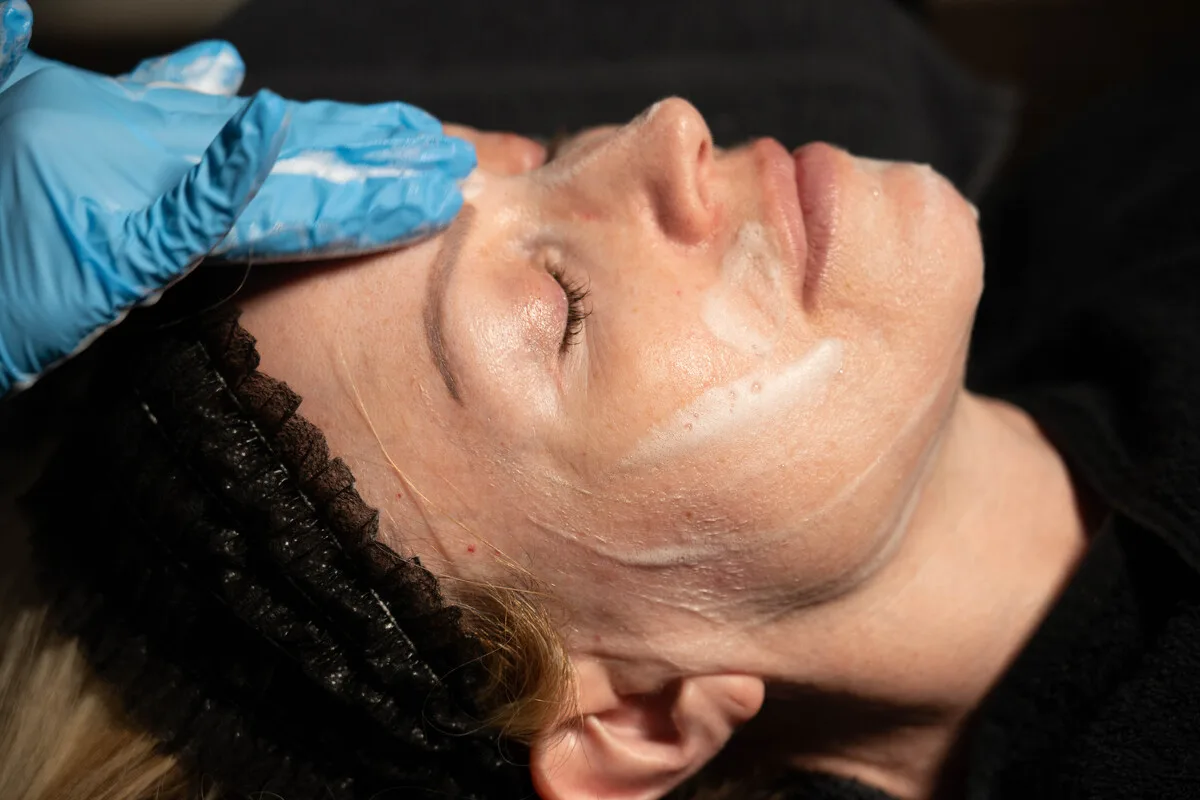
Sensitive skin benefits from superficial chemical peels when a qualified clinician selects slow-penetrating acids that exfoliate the stratum corneum without disrupting deeper epidermal lipids. Matching acid molecular weight to your skin barrier minimizes stinging, post-peel redness, and rebound inflammation across superficial chemical peel treatments and targeted brightening protocols.
Understanding barrier tolerance separates predictable resurfacing from unnecessary irritation. Patients with reactive cheeks, frequent tightness, or stinging from everyday cleansers should prioritize buffered lactic acid, mandelic acid, polyhydroxy acid (PHA), or azelaic acid peel formulas instead of high-strength glycolic or medium-depth TCA solutions. If facial flushing and visible blood vessels stem from diagnosed rosacea rather than general barrier sensitivity, review our dedicated chemical peels and rosacea guide before scheduling.
Which Chemical Peels Work Best for Sensitive Skin?
Large-molecule alpha hydroxy acids and polyhydroxy acids deliver controlled surface exfoliation for reactive skin because their higher molecular weights slow dermal diffusion. Lactic acid, mandelic acid, gluconolactone, and low-percentage buffered blends lift dull corneocytes gradually while helping the stratum corneum retain water during skin-type-matched resurfacing.
| Peel Agent | Chemical Class | Molecular Weight | Primary Benefit for Sensitive Skin | Typical Downtime |
|---|---|---|---|---|
| Mandelic acid | Aromatic AHA | 152.15 g/mol | Slowest AHA penetration; gentle pigment and pore clearing | Minimal pinkness for 1 day |
| Lactic acid | Humectant AHA | 90.08 g/mol | Exfoliates dead surface cells while binding moisture | Light flaking for 1 to 3 days |
| Gluconolactone (PHA) | Polyhydroxy acid | 178.14 g/mol | Antioxidant barrier support with low stinging potential | Little to no visible peeling |
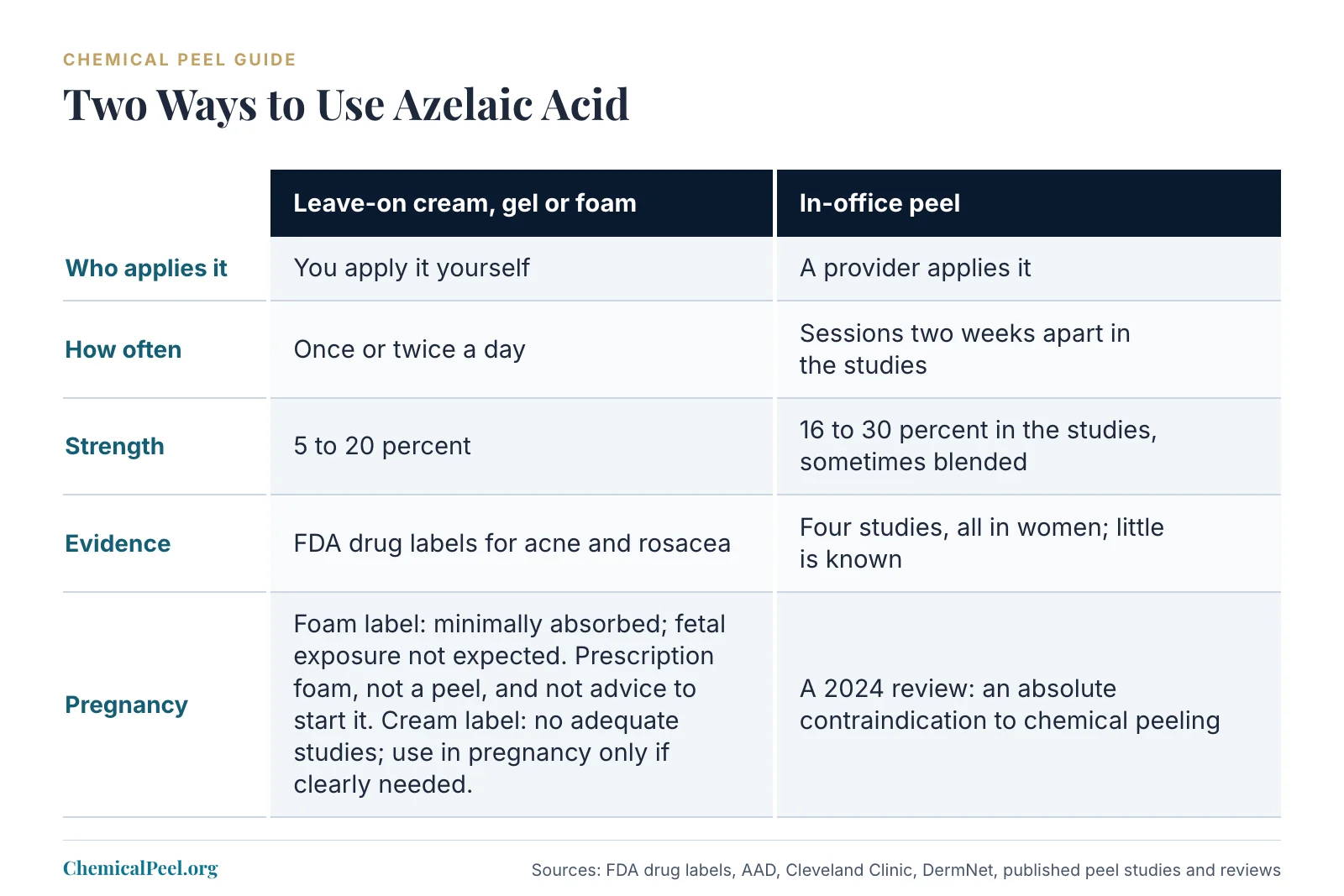
| Azelaic acid blend | Dicarboxylic acid | 188.22 g/mol | Calms redness-prone uneven tone without deep keratolysis | Minimal dryness for 1 to 2 days |
| Unbuffered glycolic acid | Small-molecule AHA | 76.05 g/mol | Rapid penetration; often too irritating for reactive skin | Stinging and 2 to 4 days redness |
The Cleveland Clinic chemical peel overview notes that superficial light peels work within the outermost epidermis and are generally suitable across skin types when properly selected. Selecting a single low-concentration layer during an initial visit allows your clinician to observe erythema and frost-free skin response before advancing strength.
How Does Acid Molecular Size Affect Skin Sensitivity?
Molecular size governs how rapidly an exfoliating acid crosses the stratum corneum and triggers nerve-ending stinging in the epidermis. Smaller molecules such as glycolic acid diffuse quickly between corneocytes and stimulate inflammatory mediators, whereas larger lactic, mandelic, and PHA molecules remain near the surface for slower, gentler desquamation.
Consider a patient who develops immediate burning from a 10% glycolic home serum after winter windburn. Replacing rapid-diffusion glycolic acid with a clinician-applied 20% to 30% lactic or mandelic solution preserves gentle smoothing without shocking superficial sensory fibers. According to the FDA alpha hydroxy acids guidance, higher acidity and concentration increase irritation and sun sensitivity, making pH buffering and conservative contact time critical safeguards for delicate skin.
When Should Sensitive Skin Avoid a Chemical Peel?
Sensitive skin should postpone chemical peeling whenever the epidermal barrier is actively inflamed, cracked, infected, or sensitized by recent prescription topicals. Applying acidic solutions over compromised skin accelerates transdermal absorption and increases the risk of chemical burns, prolonged erythema, and post-inflammatory hyperpigmentation.
Clinicians screen for five common temporary or medical contraindications before proceeding:
- Active eczema, contact dermatitis, or psoriasis flares: Inflamed fissures allow uncontrolled acid penetration and severe stinging.
- Recent oral isotretinoin use: Systemic retinoids alter wound healing and require medical clearance, typically waiting at least 6 months.
- Unpaused topical retinoids or exfoliants: Retinol, tretinoin, benzoyl peroxide, and scrubs thin the stratum corneum before treatment.
- Recent sunburn or windburn: UV-stressed tissue reacts unpredictably to acidic pH shifts.
- Active cold sores or open lesions: Chemical irritation can trigger viral spread along facial nerve pathways.
Review the complete list of medical exclusions in our chemical peel contraindications reference and follow pre-treatment preparation steps before booking.
How Do Providers Patch Test and Prep Sensitive Skin?
Clinicians protect sensitive skin by performing a localized patch test behind the ear or along the jawline 48 hours to 7 days before a full-face peel. Patch testing confirms whether the chosen acid concentration, vehicle, and neutralizing step produce delayed redness, itching, or hives without risking widespread facial inflammation.
During the pre-peel intake, providers review cleanser pH, fragrance exposure, prescription creams, and prior reactions to hydroxy acids. The American Academy of Dermatology preparation guidelines advise pausing retinoids and harsh exfoliants in advance and arriving with calm, un-tanned skin. Expect your clinician to prime the skin gently rather than stripping surface oils aggressively with acetone, keeping discomfort mild and reversible.
What Post-Peel Care Protects a Sensitive Skin Barrier?
Post-peel sensitive skin heals cleanly when aftercare focuses on bland lipid restoration, cool cleansing, and daily broad-spectrum mineral sunscreen. Avoiding active serums, fragrance, and hot steam during the first 5 to 7 days prevents secondary contact dermatitis while new keratinocytes mature.
Follow these evidence-aligned steps from chemical peel aftercare guidance and the AAD chemical peels FAQs:
- Cleanse with lukewarm water and a non-foaming wash: Avoid washcloths, facial brushes, and sulfates until flaking stops.
- Layer ceramide or petrolatum-based moisturizers: Replenish barrier lipids several times daily whenever skin feels tight.
- Apply zinc oxide or titanium dioxide SPF 30+ every morning: Physical UV filters minimize chemical sunscreen stinging on freshly exfoliated skin.
- Contact the treating clinic early for escalating symptoms: Severe burning, oozing, blistering, or spreading rash requires prompt clinician review.
How Should Sensitive Skin Patients Space a Peel Series?
Sensitive skin patients achieve steadier brightness by spacing superficial peels every 4 to 6 weeks rather than compressing sessions into tight two-week intervals. Allowing a full epidermal turnover cycle between appointments protects stratum corneum lipids, lowers cumulative erythema, and lets your clinician assess pigment stability before adjusting strength.
During follow-up consultations, bring a list of every cleanser, prescription cream, and sunscreen used since your first appointment. Patients who experience prolonged dryness beyond day 4 often benefit from remaining on a single-layer PHA or mandelic acid formula rather than escalating concentration. When planning around seasonal shifts, autumn and winter schedules reduce incidental heat and UV exposure while your barrier rebuilds.
Questions to Ask Before Booking a Sensitive Skin Peel
Asking targeted safety questions before treatment ensures your provider customizes acid pH, neutralization timing, and recovery support for reactive skin. Confirm which exact acid class is proposed, whether a localized patch test is included beforehand, and which after-hours contact channel handles unexpected stinging or redness.
Use this brief consultation checklist when comparing clinics on our Illinois med spa directory:
- What specific acid and percentage will be applied first? Confirm whether the formula is buffered lactic, mandelic, or PHA rather than high-strength unbuffered glycolic acid.
- How does the clinician monitor endpoints during the visit? Ask whether timed neutralization or visual skin check-ins stop treatment immediately if patchy erythema develops.
- Which bland cleansers and sunscreens are safe for days 1 to 7? Verify your existing home routine contains no hidden fragrance, essential oils, or alpha hydroxy acids.
Frequently Asked Questions
Can you get a chemical peel if you have very sensitive skin?
Yes, patients with sensitive skin can often receive a very superficial chemical peel once the skin barrier is calm and intact. Providers typically choose larger-molecule acids such as mandelic, lactic, or polyhydroxy acids and perform a patch test before treating the full face.
What is the gentlest chemical peel for reactive skin?
Polyhydroxy acid peels using gluconolactone or lactobionic acid, alongside low-strength mandelic or lactic acid peels, rank among the gentlest clinical options. Larger molecular size slows epidermal diffusion, reducing stinging while maintaining mild humectant hydration during surface exfoliation.
Should you avoid glycolic acid peels with sensitive skin?
Many patients with sensitive skin tolerate low-percentage buffered glycolic acid poorly compared with lactic or mandelic acid because glycolic acid has the smallest AHA molecular weight. Fast penetration increases stinging and erythema, so clinicians frequently substitute slower-diffusing acids on reactive complexions.
How long does redness last after a sensitive skin peel?
Mild pinkness and warmth after a superficial sensitive skin peel typically settle within several hours to 24 hours, with light dryness or micro-flaking lasting 1 to 3 days. Persistent redness beyond 72 hours, swelling, or burning should be evaluated by your treating clinician.
Can an at-home chemical peel safely treat sensitive skin?
High-strength at-home chemical peels carry serious risks of chemical burns, scarring, and barrier damage on sensitive skin. The FDA warns consumers against unsupervised strong acid peels; consult a qualified clinician to select safe concentrations and perform patch testing first.