Written by the ChemicalPeel.org editorial team. Published November 25, 2026.
Clinical review pending. This page has not yet been reviewed by a licensed clinician; read it as patient education, not medical advice. How we review
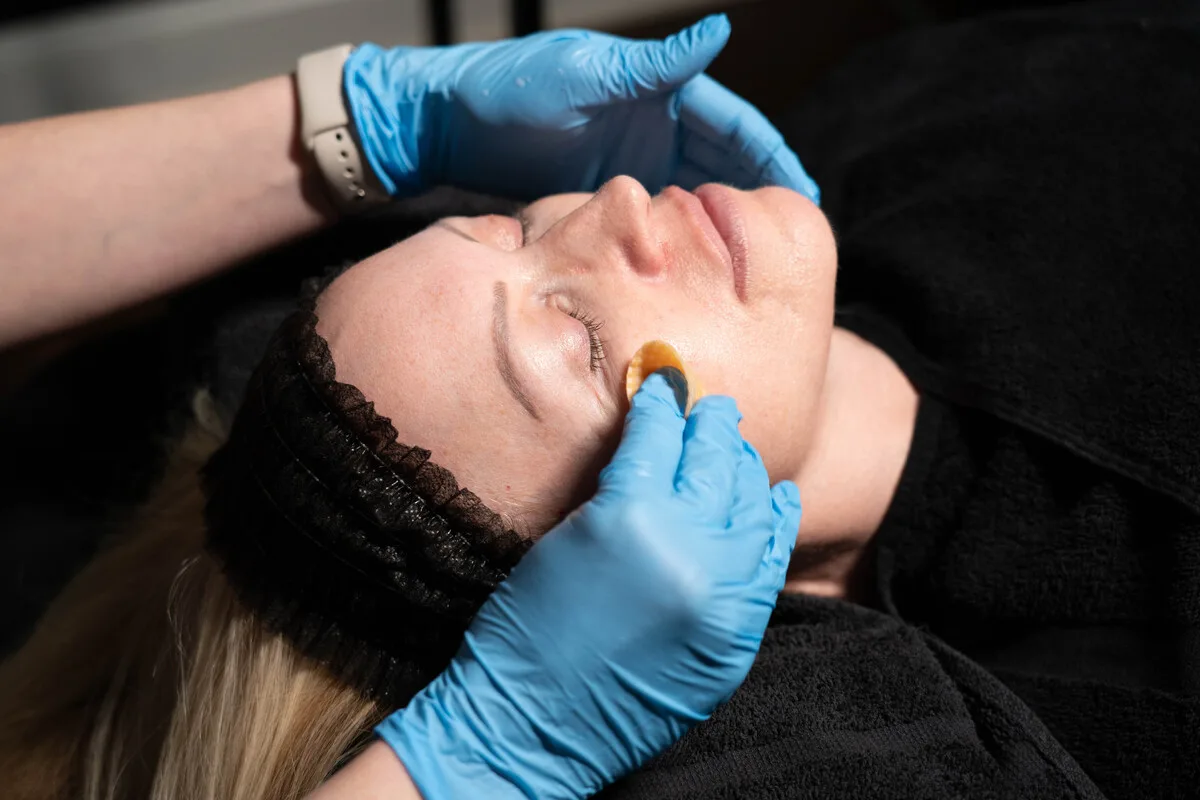
A kojic acid peel targets stubborn dark spots and uneven pigment by pairing epidermal exfoliation with tyrosinase enzyme inhibition inside a controlled clinical solution. Derived from fungal fermentation of rice and soy, kojic acid reduces excess melanin synthesis while partner hydroxy acids lift pigmented surface cells across superficial and blended peel protocols.
Understanding how kojic acid works clarifies why clinicians rarely apply it as a lone peeling agent. Unlike glycolic acid or trichloroacetic acid, kojic acid is primarily a pigment-suppressing brightener rather than a potent keratolytic acid; medical practices combine it with AHAs, salicylic acid, or TCA in treatments such as the Perfect Derma Peel or specialized depigmentation masks like the Cosmelan peel. Comparing it with antioxidant brightening options in our lactic acid vs vitamin C peel guide helps clarify when enzyme inhibition adds value.
How Does a Kojic Acid Peel Fade Dark Spots?
Kojic acid lightens hyperpigmentation by chelating copper ions at the active site of tyrosinase, blocking the key enzymatic step that converts tyrosine into melanin pigment. When formulated inside a peel alongside alpha or beta hydroxy acids, kojic acid reaches active melanocytes more efficiently while exfoliation clears existing pigmented keratinocytes.
This dual action makes kojic acid blends useful for sun spots, post-acne dark marks, and selected cases of stubborn hyperpigmentation. Because tyrosinase inhibition slows new pigment formation without destroying melanocytes permanently, ongoing maintenance skincare and strict UV protection remain essential to hold results.
Pure Kojic Acid vs. Multi-Acid Clinical Blends
Professional kojic acid peels almost always combine 1% to 4% kojic acid with exfoliating acids because kojic acid alone does not lower skin pH enough to induce deep desquamation. Combining ingredients lets clinicians balance exfoliation depth with pigment suppression across different Fitzpatrick skin tones.
| Formulation Type | Typical Key Ingredients | Primary Target | Clinical Consideration |
|---|---|---|---|
| Kojic + AHA superficial peel | Kojic acid, glycolic or lactic acid | Mild sun spots, dullness, early post-acne marks | Minimal flaking; relies on repeat sessions |
| Kojic + TCA + glutathione blend | Kojic acid, TCA, retinoic acid, salicylic acid, glutathione | Stubborn melasma, photoaging, resistant dark spots | Medium-depth peeling over 5 to 7 days |
| Depigmentation mask protocols | Kojic acid, azelaic acid, phytic acid, botanical brighteners | Diffuse melasma and refractory pigment | Requires strict multi-week home follow-up |
| Daily OTC kojic serums/soaps | 1% to 2% kojic acid without strong peel acids | Gradual surface maintenance between visits | Slower results; still carries allergy risk |
In a patient presenting with lingering brown patches after inflammatory acne, a clinician may choose a gentle lactic-plus-kojic blend over high-dose glycolic acid alone to calm pigment production while keeping surface irritation low.
What Are the Contact Dermatitis and Safety Risks?
Kojic acid carries a well-documented risk of allergic contact dermatitis, presenting as itching, stinging, hives, red bumps, or rash within hours to days after application. In sensitive individuals or darker skin tones, inflammatory contact reactions can paradoxically trigger rebound post-inflammatory hyperpigmentation that darkens the treated area.
According to StatPearls chemical peel safety reviews and DermNet chemical peel guidance, pigmentary complications escalate whenever inflammation exceeds intended peel depth. Observe four precautions before undergoing any kojic acid peel:
- Insist on a patch test first: Test the exact blended formula on a small discreet site if you have sensitive skin or fragrance/botanical allergies.
- Avoid prolonged leave-on irritation: Home kojic soaps or unverified online peel kits left on too long frequently burn and sensitize the barrier.
- Watch for itching vs. mild tingling: Persistent pruritus, swelling, or spreading erythema suggests contact allergy rather than normal peel warmth.
- Screen for pregnancy and breastfeeding: Discuss all pigment-suppressing agents with your physician before elective cosmetic use.
Who Is a Good Candidate for a Kojic Acid Peel?
Good candidates for a kojic acid peel are adults seeking targeted fading of sun-induced lentigines, post-acne hyperpigmentation, or mixed dyschromia who have no known fungal or kojic acid sensitivities. Darker skin tones (Fitzpatrick IV to VI) can often use buffered kojic-lactic blends safely when overseen by an experienced clinician.
Read our chemical peels for dark skin guide and medical contraindications checklist before booking. Patients with active eczema, open facial infections, or recent oral isotretinoin therapy should defer peeling until cleared medically.
How Should You Care for Skin After a Kojic Acid Peel?
Post-peel care after a kojic acid peel focuses on daily broad-spectrum sun protection and gentle barrier moisturizing because reduced melanin temporarily leaves skin highly sensitive to ultraviolet triggering. Even brief unprotected sun exposure during recovery can reactivate tyrosinase and darken healing patches faster than before treatment.
Follow the core aftercare steps aligned with AAD patient FAQ guidance:
- Apply broad-spectrum SPF 30+ every morning: Mineral zinc oxide formulas protect pigment-prone skin without stinging.
- Pause active brighteners temporarily: Hold vitamin C, retinoids, and hydroquinone until flaking subsides and your provider approves restart.
- Moisturize without picking: Let thin peeling flakes lift naturally to prevent post-inflammatory marks.
Kojic Acid vs. Azelaic Acid and Hydroquinone in Pigment Care
Kojic acid, azelaic acid, and prescription hydroquinone all slow melanin synthesis, yet clinicians rotate them differently based on sensitization risk, treatment duration, and skin tone. Comparing how kojic acid sits beside azelaic acid peels and prescription topicals clarifies why blended peels often pair multiple non-hydroquinone brighteners.
Hydroquinone remains a high-potency prescription benchmark for short-term pigment suppression under medical supervision, though prolonged unsupervised use risks rebound darkening or ochronosis. Azelaic acid carries lower contact-allergy rates and calms coexisting facial redness, whereas kojic acid provides strong copper-chelating tyrosinase blockade inside multi-acid clinic solutions such as The Perfect Derma Peel. Many providers prescribe a 2 to 4 week pre-conditioning cream before peeling and cycle maintenance brighteners afterward.
What Should You Confirm With Your Provider Before a Kojic Peel?
Confirming exact ingredient percentages, prior topical allergies, and realistic session counts prevents disappointment and contact reactions before a kojic acid peel. Because kojic acid oxidizes when exposed to air and light, clinical stability and proper storage inside sealed professional kits also matter for predictable potency.
Ask your clinician these key questions during screening:
- Is kojic acid paired with glycolic, lactic, or TCA in this protocol? Partner acids dictate whether downtime lasts 1 to 3 days or up to a full week.
- How will we screen for kojic contact sensitivity? Request a small patch test if you have reacted to botanical extracts, fragrances, or brightening soaps.
- What home pigment suppressors keep spots from returning? Long-term UV protection plus targeted antioxidants maintain clarity between clinic series.
Frequently Asked Questions
What does a kojic acid peel do for your skin?
A kojic acid peel fades dark spots, sun damage, and post-acne discoloration by blocking tyrosinase, the enzyme responsible for producing melanin. Partner acids inside the peel exfoliate pigmented surface skin cells simultaneously, promoting a brighter, more even complexion over a series of sessions.
Is a kojic acid peel safe for dark skin tones?
Superficial kojic acid blends paired with gentler acids such as lactic or mandelic acid are frequently used on Fitzpatrick IV to VI skin tones when administered carefully. However, kojic acid can cause contact dermatitis, and excess irritation can trigger post-inflammatory hyperpigmentation, making patch testing essential.
How long does a kojic acid peel take to peel?
Downtime depends on the partner acids inside the peel blend. A superficial kojic-AHA peel usually produces mild dryness or light flaking for 1 to 3 days, whereas a medium-depth multi-acid blend containing TCA and retinoic acid typically causes visible sheet peeling between days 3 and 7.
Can kojic acid peels cause allergic reactions?
Yes, kojic acid is a recognized contact sensitizer capable of triggering allergic contact dermatitis, especially at higher concentrations or with frequent home use. Symptoms such as persistent itching, swelling, hives, or raised red rash require immediate rinsing and evaluation by your treating clinician.
Can you use a kojic acid peel for melasma?
Kojic acid is commonly included inside professional melasma protocols because it suppresses melanin synthesis without hydroquinone. Because melasma is chronic and sensitive to both heat and UV light, kojic peels work best alongside strict mineral sunscreen and clinician-directed maintenance care rather than as a standalone cure.