Written by the ChemicalPeel.org editorial team. Published November 25, 2026.
Clinical review pending. This page has not yet been reviewed by a licensed clinician; read it as patient education, not medical advice. How we review
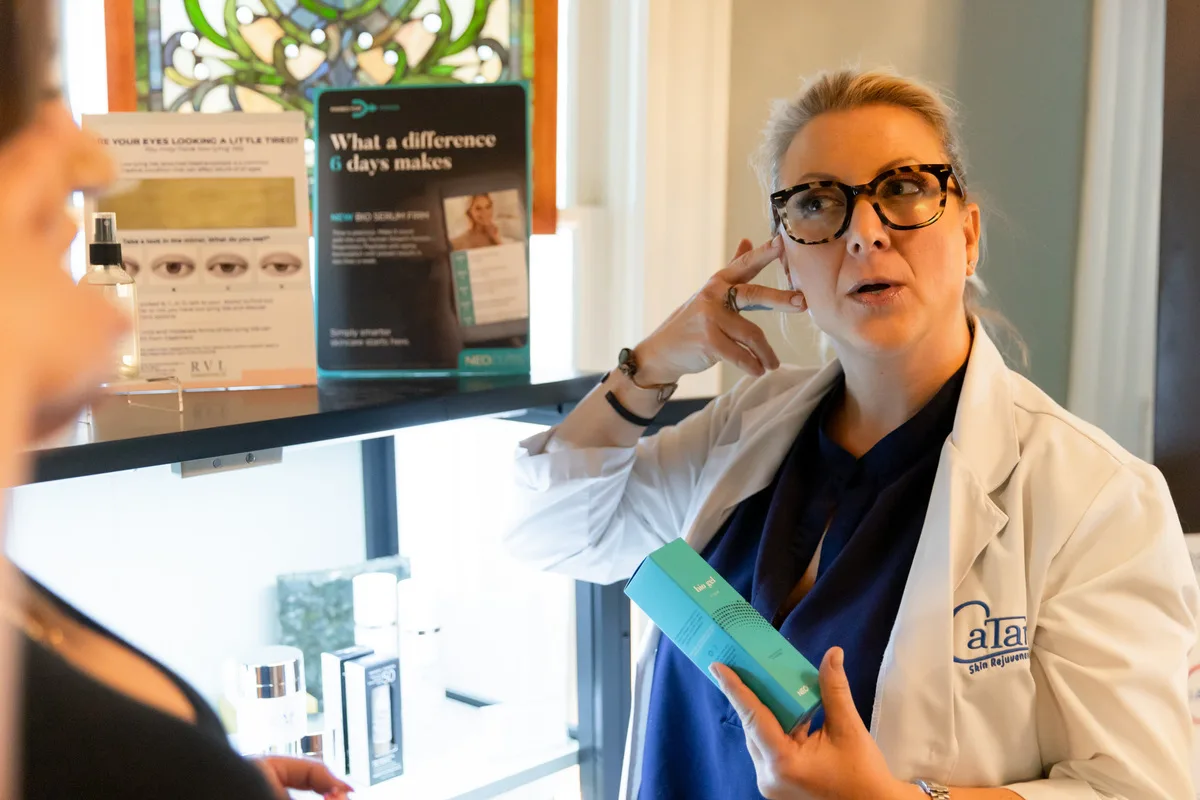
A polyhydroxy acid (PHA) peel is an ultra-gentle superficial chemical exfoliant formulated with large-molecule acids such as gluconolactone, lactobionic acid, or maltobionic acid that refine the stratum corneum without irritating deeper living skin. Compared with traditional alpha hydroxy acid peels, PHA solutions attract moisture, deliver antioxidant support, and preserve fragile barriers for sensitive skin patients.
Clinicians turn to PHA peels when patients want brighter texture and smoother makeup application without stinging, visible peeling, or prolonged redness. Because PHA molecules stay near the skin surface, they bridge the gap between soothing facials and stronger glycolic or salicylic acid protocols, offering an accessible starting point for dry, dehydration-prone complexions.
How Does a PHA Peel Work Differently From AHAs?
PHAs carry multiple hydroxyl groups on a noticeably larger carbon skeleton than glycolic or lactic acid, slowing epidermal diffusion while drawing water toward surface keratinocytes. This chemical structure restricts exfoliation to the outermost dead stratum corneum, avoiding the sharp pH shock that often triggers stinging in reactive skin.
In addition to mild desquamation, polyhydroxy acids scavenge free radicals generated by UV exposure and chelate excess metal ions in the upper epidermis. Studies summarized in dermatologic literature show PHAs reinforce stratum corneum barrier function and tolerance compared with standard unbuffered AHAs, while still requiring broad-spectrum sunscreen per AAD patient peel care guidance.
Common PHA Acids Compared: Gluconolactone vs. Lactobionic Acid
Professional PHA peels typically rely on gluconolactone, lactobionic acid, or blended formulas pairing PHAs with mild lactic or mandelic acid. Knowing each molecule's role helps clarify what your clinic formula is designed to achieve.
| Acid Name | Primary Source / Structure | Key Clinical Strengths | Best Skin Match |
|---|---|---|---|
| Gluconolactone | Polyhydroxy acid derived from gluconic acid (178.14 g/mol) | Antioxidant barrier protection; reduces mild congestion without sting | Sensitive, rosacea-prone, or acne-sensitive skin |
| Lactobionic acid | Oxidized milk sugar derivative (358.30 g/mol) | Intense humectant water-binding and gel-matrix film formation | Very dry, mature, or post-procedure fragile skin |
| Maltobionic acid | Plant-derived bionic PHA (358.30 g/mol) | Gentle surface smoothing with strong hydration retention | Dehydrated, dull, or redness-prone complexions |
| Glycolic acid (AHA benchmark) | Smallest two-carbon AHA (76.05 g/mol) | Fast penetration for sun spots and rougher texture; higher sting | Resilient, non-sensitive photoaged skin |
For patients comparing gentle acid tiers before booking, read our mandelic acid peel guide and lactic acid peel overview alongside DermNet chemical peel classifications.
Who Is the Ideal Candidate for a PHA Peel?
Ideal candidates for a PHA peel include adults with reactive skin, mild rosacea tendencies, eczema-prone history (when fully calm and un-flared), or dry skin who previously experienced burning from glycolic or salicylic acid. PHAs also suit melanin-rich Fitzpatrick IV to VI patients seeking gentle luminosity with low inflammatory pigment risk.
Review candidacy boundaries carefully if you have deeper textural goals:
- Best fit: Mild dullness, dehydration lines, rough dry patches, and pre-event skin refreshing with minimal social recovery time.
- Poor standalone fit: Deep static wrinkles, pitted acne scars, or stubborn dermal melasma, which generally require medium-depth TCA peels or targeted device therapy.
- Medical hold: Skip any peel over active eczema flares, open skin cracks, active herpes simplex, or within 6 months of oral isotretinoin per chemical peel contraindications.
What Does a Professional PHA Peel Session Feel Like?
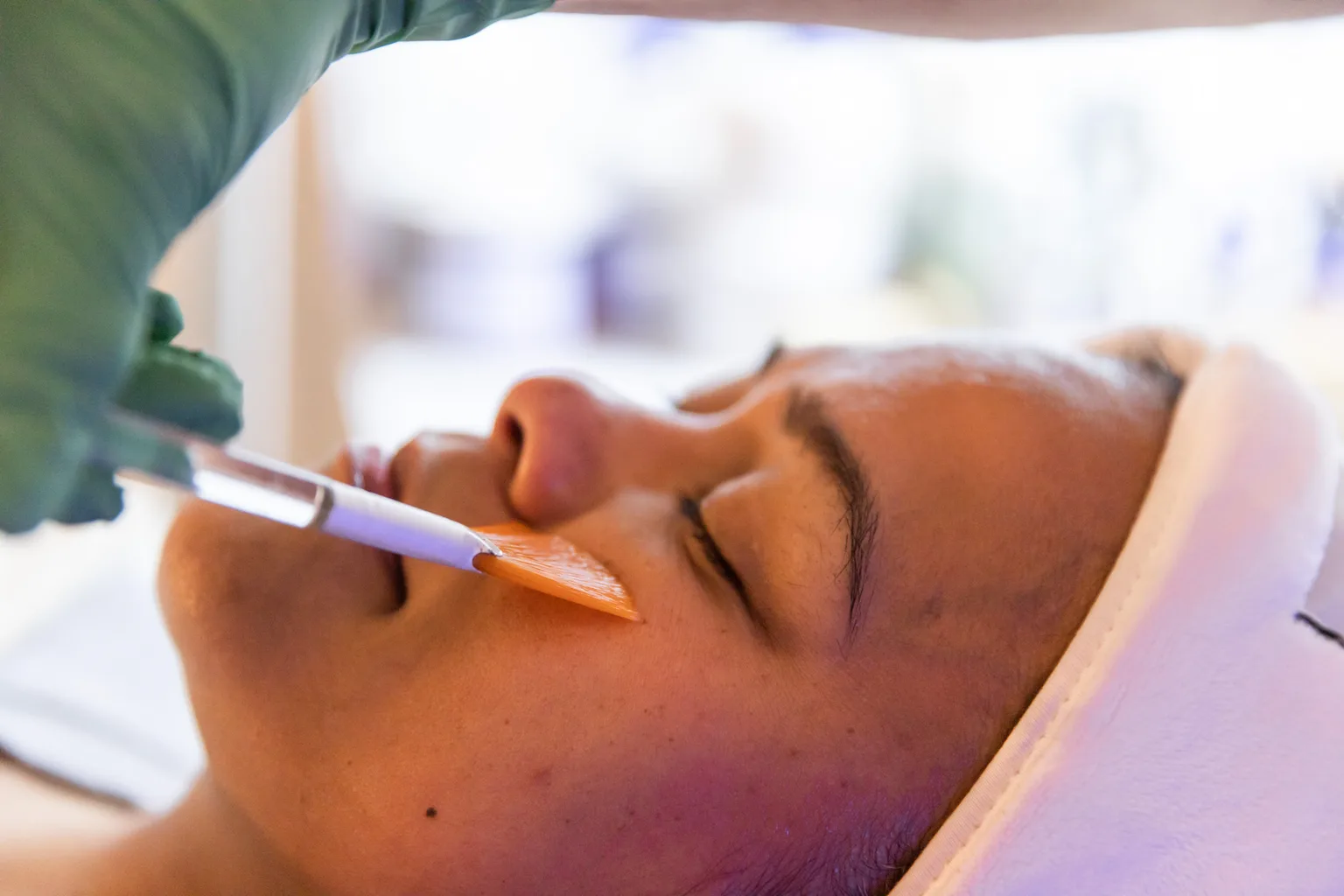
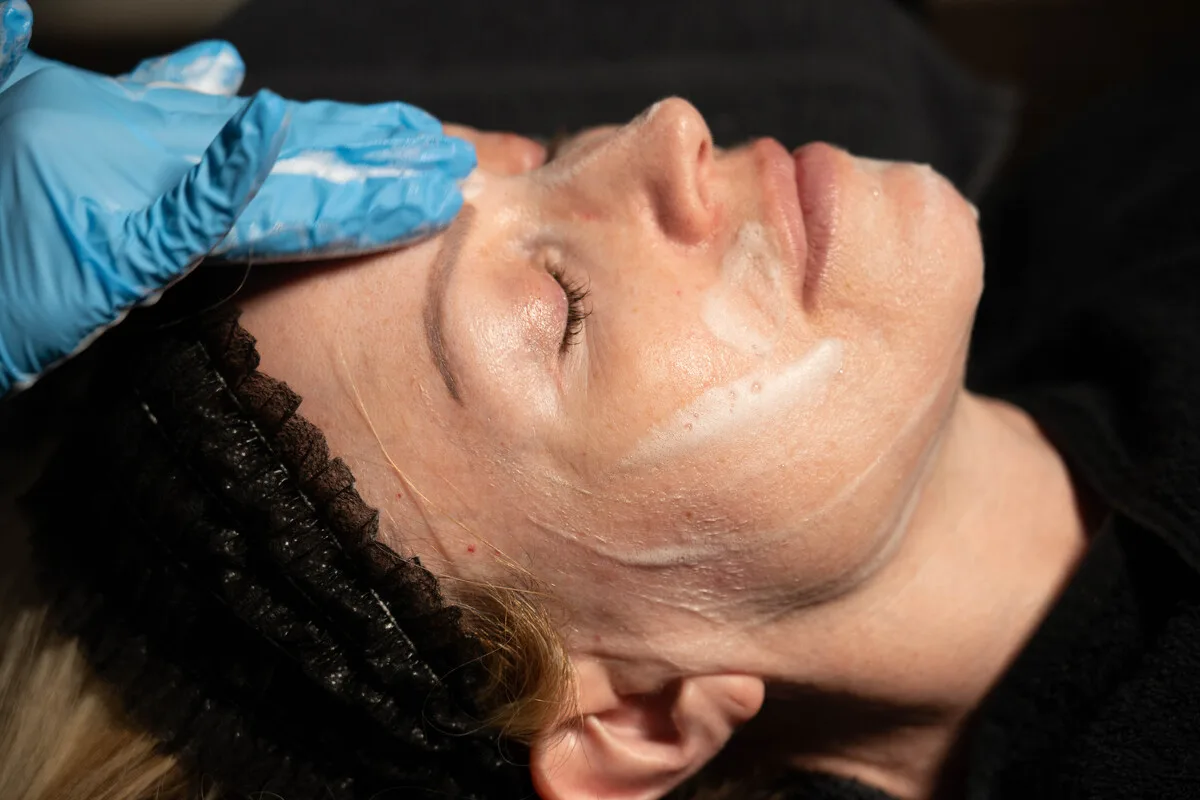
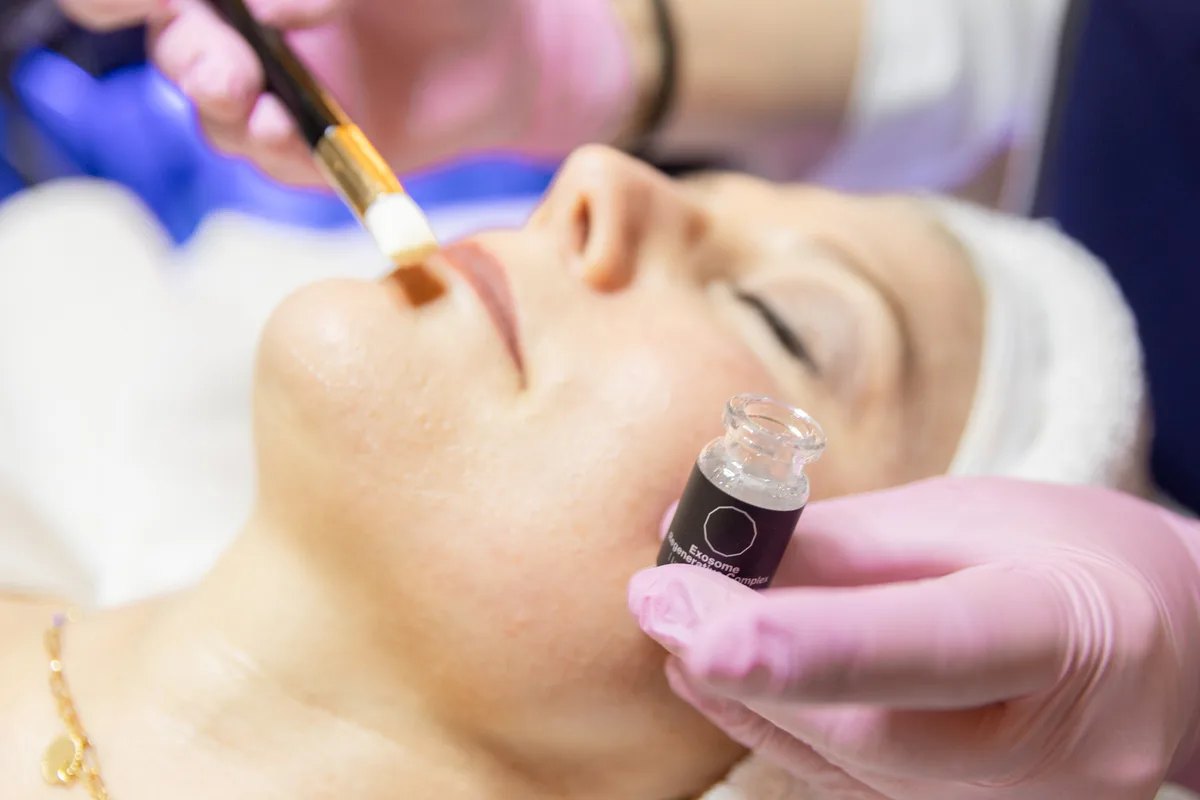
A clinical PHA peel typically feels cool, mildly hydrating, or faintly warm rather than sharp or stinging, and finishes in 20 to 30 minutes. Because PHAs do not cause dermal protein coagulation, patients rarely show heavy frosting or dramatic sheet peeling afterward.
Following treatment, skin usually appears subtly brighter and dewier immediately, with possible mild dryness or microscopic flaking for 24 to 48 hours. As the Cleveland Clinic chemical peel overview advises for superficial peels, a progressive series spaced every 2 to 4 weeks builds smoother surface clarity steadily.
How Should You Care for Skin After a PHA Peel?
Post-peel care after a PHA peel centers on gentle cleansing, barrier-supporting moisturizers, and daily broad-spectrum SPF 30+ while pausing strong retinoids for 2 to 3 days. Although PHAs cause less sun sensitivity than aggressive AHAs, newly exfoliated stratum corneum remains more susceptible to UV stress.
Follow these straightforward aftercare habits:
- Cleanse calmly: Use a mild, fragrance-free wash and lukewarm water for the first 48 hours.
- Lock in moisture: Apply hyaluronic acid or ceramide cream to support PHA humectant hydration.
- Protect daily with SPF 30+: Mineral zinc oxide sunscreens shield freshly brightened skin without stinging.
Professional PHA Peels vs. Daily At-Home PHA Toners
Professional PHA peels deliver higher concentrations of gluconolactone and lactobionic acid under controlled pH calibration, producing faster surface luminosity than daily 4% to 10% over-the-counter PHA toners. Home PHA serums excel at gentle daily barrier maintenance between clinic visits rather than replacing supervised medical-grade resurfacing.
Patients who use leave-on PHA toners daily should pause them 2 to 3 days before a professional peel so the skin surface remains predictable during application. Avoid combining home PHA products with strong salicylic washes, abrasive scrubs, or high-dose retinoids on the same night if redness or tightness develops. Compare professional resurfacing rules in our at-home vs professional chemical peel guide.
Preparing for a PHA Peel and Sequencing a Gentle Series
Preparing for a PHA peel requires pausing drying prescription retinoids, harsh scrubs, and facial hair removal for several days prior so the stratum corneum remains even and un-abraded. Because PHA peels carry minimal downtime, clinicians often schedule them in calm 3 to 5 visit series spaced every 2 to 4 weeks.
Use this pre-visit checklist aligned with chemical peel preparation guidelines and AAD patient prep standards:
- Confirm skin is flare-free: Postpone if active eczema, cold sores, or fresh sunburn are present.
- Disclose all home acids and prescriptions: Let your clinician adjust prep windows for tretinoin or rosacea topicals.
- Expect gradual glow over dramatic shedding: Plan steady maintenance rather than expecting thick sheet peeling.
Frequently Asked Questions
What does a PHA peel do for the skin?
A PHA peel gently exfoliates dead surface cells across the stratum corneum using large molecules like gluconolactone and lactobionic acid. At the same time, PHAs bind water as humectants and provide antioxidant support, leaving dry or sensitive skin smoother and more hydrated with minimal irritation.
Is a PHA peel better than a glycolic acid peel?
A PHA peel is not universally stronger than glycolic acid, but it is far gentler for sensitive, dry, or redness-prone skin. Glycolic acid penetrates deeper and faster to tackle stubborn sun damage and rough texture, whereas PHAs prioritize barrier comfort and minimal recovery time.
Can you get a PHA peel if you have rosacea or eczema?
Patients with calm, well-managed rosacea or a history of dry sensitivity often tolerate supervised PHA peels better than AHAs or BHAs. However, chemical peels should never be applied over active rosacea flares, broken skin, or open eczema lesions; consult a qualified clinician first.
Do PHA peels cause visible peeling or downtime?
Most PHA peels cause little to no visible sheet peeling. Expect subtle radiance immediately after the visit, occasionally followed by slight tightness or faint surface flaking for 1 to 2 days that is easily masked with gentle moisturizer.
Can you use a PHA peel while pregnant or breastfeeding?
Because PHAs act very superficially on the outer stratum corneum, clinicians often view low-strength topical PHAs more favorably than salicylic acid or retinoids. Always confirm exact peel ingredients with your prenatal care team and treating clinician before booking any procedure while pregnant or breastfeeding.