Written by the ChemicalPeel.org editorial team. Published November 25, 2026.
Clinical review pending. This page has not yet been reviewed by a licensed clinician; read it as patient education, not medical advice. How we review
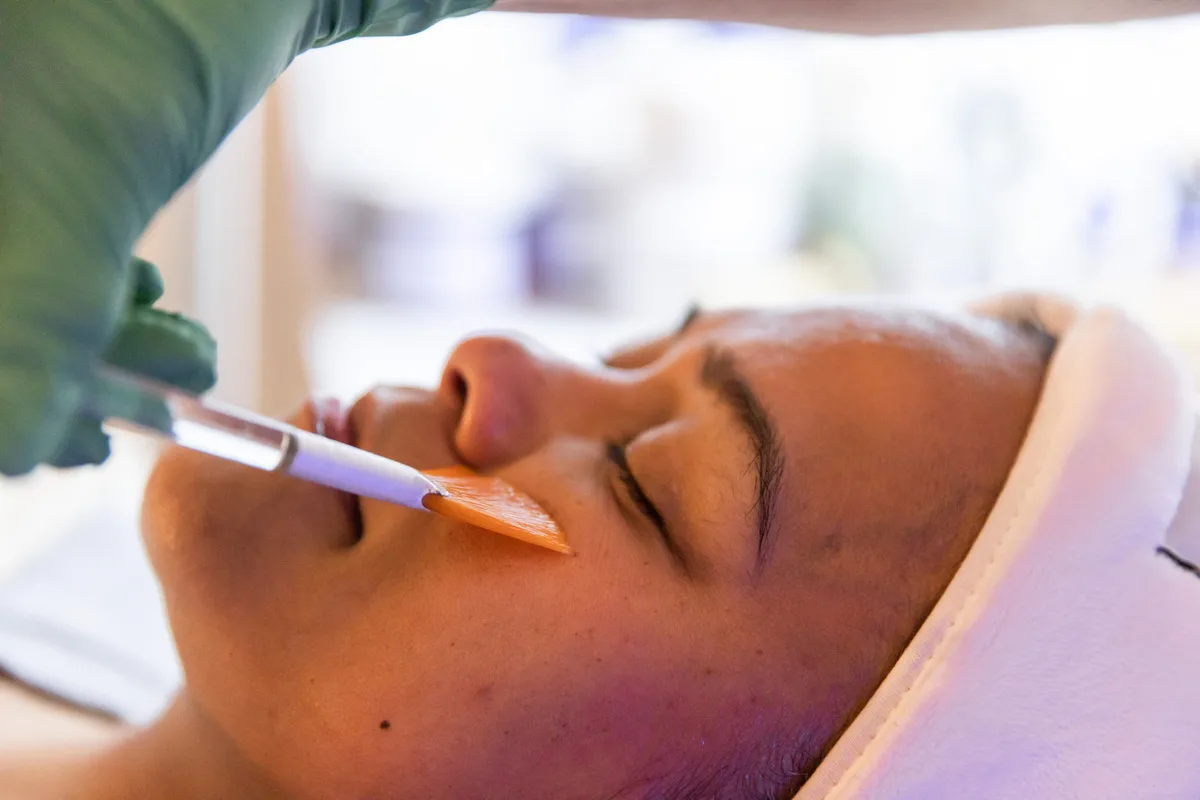
Trichloroacetic acid (TCA) peels and glycolic acid peels differ fundamentally in chemical action, anatomical depth, and recovery timeline. A glycolic acid peel uses a small-molecule alpha hydroxy acid (AHA) to loosen surface corneocyte bonds with minimal downtime, whereas a medium-depth TCA peel coagulates epidermal and upper dermal proteins to stimulate stronger structural collagen remodeling across different peel depths.
Choosing between these two workhorse resurfacing agents depends on whether your priority is gradual surface brightening with quick social recovery or more noticeable correction of etched wrinkles, sun damage, and scars. Both acids can also be adjusted in strength: light 15% TCA behaves closer to a superficial peel, while high-percentage 70% unbuffered glycolic requires precise timed neutralization by a clinician.
TCA Peel vs. Glycolic Acid Peel: Side-by-Side Comparison
Glycolic acid requires timed neutralization because it keeps penetrating until buffered, whereas TCA self-neutralizes as it binds and precipitates skin proteins. The comparison matrix below summarizes how each agent performs clinically.
| Clinical Factor | Glycolic Acid Peel | TCA Peel |
|---|---|---|
| Chemical category | Alpha hydroxy acid (AHA, sugarcane-derived) | Trichloroacetic acid (non-toxic modified acetic acid) |
| Typical depth | Superficial (stratum corneum to epidermis) | Superficial (10% to 15%) to medium-depth (20% to 35%) |
| Application endpoint | Mild erythema; clinician neutralizes with water or bicarbonate | White frosting caused by protein coagulation; self-neutralizing |
| Primary indications | Dullness, mild sun spots, surface roughness, mild acne | Etched wrinkles, solar elastosis, rolling/boxcar scars |
| Downtime window | Light pinkness and mild flaking for 1 to 3 days | Darkening, crusting, and visible shedding for 7 to 14 days |
| Typical cost range | About $100 to $400 per superficial session | About $500 to $1,500 per medium-depth session |
As outlined in StatPearls chemical peel classification, glycolic acid represents the smallest AHA molecule, while TCA serves as the standard clinical agent for medium-depth resurfacing reaching the papillary dermis.
How Does Glycolic Acid Differ From TCA on the Skin?
Glycolic acid works through controlled chemexfoliation of intercellular desmosomes in the epidermis and must be neutralized promptly once mild redness appears. In contrast, TCA causes direct protein precipitation (visible as white frosting) down into the papillary dermis, triggering deeper wound-healing cascades and new type I collagen synthesis.
Because glycolic acid leaves dermal architecture largely undisturbed at standard 20% to 50% clinic concentrations, patients typically schedule 3 to 5 sessions spaced every 2 to 5 weeks for cumulative brightening. Conversely, a single 25% to 35% TCA session produces substantial remodeling over one recovery cycle, which also makes it relevant when clinicians discuss body texture protocols like chemical peels for stretch marks or focal TCA CROSS scar treatments.
Which Concerns Respond Better to TCA vs. Glycolic Acid?
Superficial dullness, mild uneven tone, and congested pores respond efficiently to a series of glycolic acid peels without interrupting work schedules. Deeper photoaging, perioral lines, actinic roughness, and shallow atrophic acne scars respond more visibly to medium-depth TCA peels because dermal fibroblasts are directly stimulated.
Use these clinical decision rules during a qualified provider consultation:
- Choose glycolic acid when: You want smoother surface radiance, mild brightening of shallow sun spots, or lunchtime maintenance with minimal flaking.
- Choose TCA when: You have deeper sun damage, etched fine lines around the mouth or eyes, or atrophic scars that superficial AHAs failed to budge.
- Consider combination layering: Experienced clinicians sometimes pair a superficial prep peel with targeted TCA only over stubborn scarred zones.
How Do Safety Risks and Skin Tone Suitability Compare?
Glycolic acid peels generally pose lower risk of prolonged pigment disruption across diverse skin tones when conservatively timed, whereas medium-depth TCA carries higher risk of post-inflammatory hyperpigmentation and demarcation lines on Fitzpatrick IV to VI skin. High-concentration glycolic acid can still burn if left unneutralized too long, making trained supervision essential for both.
According to the Cleveland Clinic chemical peels guide, superficial peels work safely across skin types, while medium peels require careful candidacy screening and strict sun avoidance. Review our dark skin peel guide and contraindications checklist before selecting medium TCA strength.
What Does Recovery Involve After TCA vs. Glycolic Acid?
Recovery after a glycolic acid peel typically involves mild pinkness for several hours followed by faint dry flaking for 1 to 3 days. Recovery after a medium-depth TCA peel unfolds over 7 to 14 days, shifting from initial tight frosting to temporary darkened skin that cracks and sheds in sheets before revealing fresh pink epidermis.
Follow strict post-peel recovery rules and AAD patient aftercare advice: never peel loose TCA skin by hand, apply bland occlusive or ceramide moisture as directed, pause retinoids until cleared, and protect healing tissue with daily broad-spectrum SPF 30+.
Pre-Peel Conditioning and Contraindications to Review First
Pre-peel preparation differs in strictness between superficial glycolic acid and medium-depth TCA because deeper coagulation creates greater demand on epidermal stem cells and melanocytes during healing. Pausing topical retinoids, avoiding recent UV tanning, and screening for cold sores or keloid tendencies protect healing integrity for both acids.
Review full medical exclusions on our chemical peel contraindications reference and follow pre-treatment prep rules. Patients with Fitzpatrick IV to VI skin considering medium TCA frequently complete several weeks of daily mineral sunscreen and tyrosinase-inhibiting serum priming prior to treatment, whereas a single low-percentage glycolic visit usually needs only a brief pause in active exfoliants.
Combining Glycolic Prep With Targeted TCA Resurfacing
Clinicians often sequence superficial glycolic acid peels weeks ahead of a medium-depth TCA peel to thin uneven outer stratum corneum and test how cleanly a patient heals. Stepping up gradually reduces surprise irritation while giving patients a preview of post-peel care habits before committing to a longer recovery window.
During your consultation, ask how many glycolic sessions would be needed to approach the texture smoothing of one medium TCA visit, and confirm total series pricing upfront using our chemical peel cost guide. Verify who manages follow-up care if unexpected redness or crusting persists past day 14.
Frequently Asked Questions
Which penetrates deeper, a TCA peel or a glycolic acid peel?
A standard medium-depth TCA peel (20% to 35%) penetrates deeper than a typical glycolic acid peel, reaching the papillary dermis and upper reticular dermis. Standard 20% to 50% glycolic acid peels act superficially within the epidermis unless applied at very high medical concentrations by a qualified clinician.
Is TCA better than glycolic acid for wrinkles?
TCA is generally more effective for moderate static wrinkles and etched sun damage because it stimulates dermal collagen remodeling rather than only exfoliating the surface epidermis. Glycolic acid softens fine superficial lines gradually over a series of sessions with far less social downtime.
Does a glycolic acid peel make your skin peel in sheets like TCA?
No, most superficial glycolic acid peels cause microscopic shedding or light powdery flaking for 1 to 3 days rather than thick sheet peeling. Visible sheet peeling and bronze crusting over 7 to 14 days are classic signs of a medium-depth TCA peel.
Which peel costs more, TCA or glycolic acid?
Medium-depth TCA peels generally cost more per session (typically $500 to $1,500) than superficial glycolic acid peels (typically $100 to $400) because TCA involves deeper clinical monitoring and longer follow-up. However, superficial glycolic peels require multiple visits to build cumulative improvement.
Can you switch from glycolic acid peels to a TCA peel later?
Yes, many clinicians start patients with a series of superficial glycolic acid peels to condition the skin and evaluate tolerance before stepping up to a light or medium TCA peel. Pausing home exfoliants and pre-treating pigment-prone skin ensures safer progression.