Written by the ChemicalPeel.org editorial team. Published November 26, 2026.
Clinical review pending. This page has not yet been reviewed by a licensed clinician; read it as patient education, not medical advice. How we review
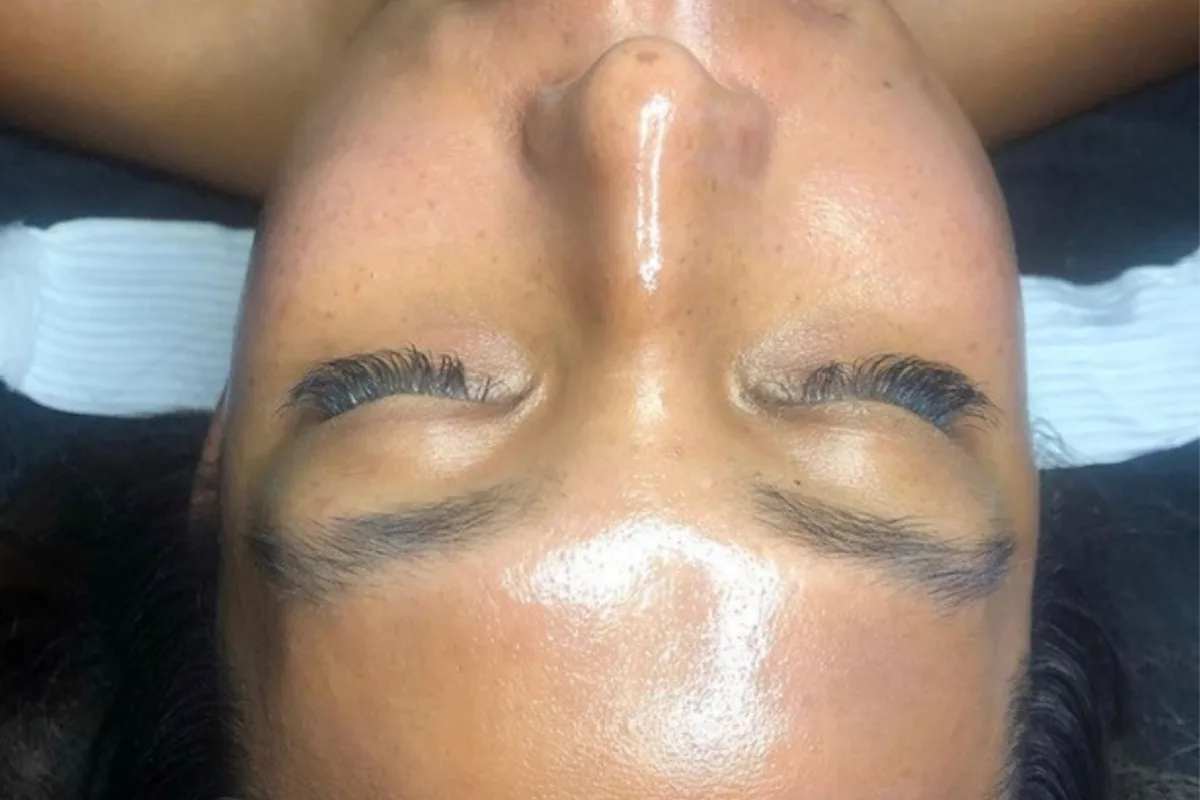
Superficial chemical peels help clear blackheads by dissolving the compacted mixture of dead keratinocytes and oxidized sebum that blocks open hair follicles. Blackheads are a classic form of non-inflammatory acne (open comedones), and lipid-soluble acids such as salicylic acid travel into oil-lined pores far more reliably than physical scrubs, pore strips, or fingernail squeezing reviewed across medical peel treatments.
Whereas inflamed acne involves red papules and deep pustules covered on our chemical peel for acne guide, pure open comedones lack painful swelling and instead leave dark oxidized plugs visible across the nose, chin, and cheeks. Providers distinguish true blackheads from normal sebaceous filaments before recommending a peel series so patients understand which pore dots clear and which return naturally as sebum refills healthy oil glands.
Why Do Salicylic and Jessner Peels Clear Blackheads Better Than AHAs?
Salicylic acid (a beta hydroxy acid) is the first-line clinical peel agent for blackheads because its fat-soluble chemical ring dissolves inside oily sebum plugs rather than sliding off surface oil like water-soluble alpha hydroxy acids. Modified Jessner's peels combine salicylic acid with lactic acid and resorcinol for thicker, stubborn comedonal skin.
| Peel Agent | Solubility Inside Sebum | How It Acts on Blackheads | Best Patient Profile |
|---|---|---|---|
| Salicylic acid (20% to 30%) | High (lipophilic BHA) | Dissolves lipid plugs inside the follicle and thins comedone walls | Classic oily T-zone blackheads and mixed comedones |
| Modified Jessner's solution | Hydroalcoholic BHA/AHA blend | Pairs salicylic comedolysis with gentle surface exfoliation | Thick comedonal skin with uneven tone |
| Mandelic acid (20% to 40%) | Moderate (partially lipophilic AHA) | Slow penetration loosens pore caps with low sting | Darker skin tones or sensitive T-zone blackheads |
| Glycolic acid (20% to 50%) | Low (hydrophilic AHA) | Removes outer dead cap over pores; minimal oil penetration | Combined sun dullness and mild open comedones |
As explained in the American Academy of Dermatology acne overview, blackheads form when pores clog with excess oil and dead skin cells whose top edge oxidizes on exposure to air rather than trapping dirt. Review specific BHA percentages on our salicylic acid peel guide and sebum-control habits on our chemical peel for oily skin guide.
Blackheads vs. Sebaceous Filaments vs. Milia
Confirming whether visible pore spots are removable open comedones, normal sebaceous filaments, or keratin cysts stops repeated over-exfoliation across the nose. Even high-strength peels cannot permanently erase normal pore anatomy.
Providers sort tiny nose and cheek spots into three distinct buckets:
- Open comedones (true blackheads): Firm, slightly raised or dark-centered plugs that loosen progressively across 2 to 4 salicylic peels and safe topical retinoid maintenance.
- Sebaceous filaments: Flat, pin-sized beige or gray hair-like oil linings naturally present along healthy nose follicles; peels minimize their dark oxidized tops briefly before oil replenishes every few weeks.
- Milia: Smooth, dome-shaped white keratin cysts sealed beneath intact epidermis without an open pore; review sterile extraction rules on our chemical peel for milia page.
Chemical Peels vs. HydraFacial and Pore Strips for Congestion
Clinical chemical peels deliver longer-lasting comedone suppression than drugstore pore strips, while vacuum hydrodermabrasion devices focus on immediate surface suction with minimal social downtime, though discomfort and recovery vary and temporary redness or sensitivity can occur. Comparing how fast each approach clears oil plugs clarifies whether to choose an in-office BHA peel series or hydration extraction.
Pore strips tear away delicate outer corneocytes and exposed capillary walls while leaving deeper follicular linings intact. By contrast, medical hydrodermabrasion suctions loose surface debris gently as outlined in our HydraFacial vs. chemical peel comparison, while a 20% to 30% salicylic peel penetrates deeper to slow new comedone formation over several weeks. For dense nasal or chin plugs, clinicians often pair light BHA prep with sterile loop extraction using even pressure rather than aggressive self-squeezing.
Managing Temporary Purging and Post-Peel Care
Starting a salicylic peel series on congested skin sometimes triggers a short wave of accelerated surfacing as partially softened plugs move upward during the first 4 to 7 days. Following calm post-peel barrier care keeps emerging blackheads from turning into picked scabs or lingering brown marks.
Use AAD chemical peel aftercare rules alongside these protective habits:
- Do not squeeze emerging blackheads at home: Broken follicular walls push inflammation deeper into the dermis and scar surrounding skin.
- Use non-comedogenic gentle cleansing: Stick to bland fragrance-free wash and light oil-free gel moisturizer until tightness clears.
- Restart maintenance retinoids gradually: Once sensitivity resolves, clinician-prescribed adapalene or tretinoin keeps follicular cells shedding smoothly between peels so blackheads stay clear.
Review full medical screening steps on our chemical peel contraindications list before booking, especially if you carry an aspirin allergy that contraindicates salicylic and Jessner formulations, and compare pore refinement tactics on our large pores guide.
Frequently Asked Questions
How many chemical peels does it take to get rid of blackheads?
Most patients see looser, cleaner pores after 1 superficial salicylic acid peel, though stubborn blackheads typically require 3 to 5 peels spaced every 2 to 4 weeks alongside home maintenance. Because active oil glands refill continuously, periodic maintenance peels or nightly topical retinoids prevent comedones from reforming.
Do chemical peels shrink pore size permanently?
No, chemical peels cannot alter genetically fixed follicle diameter permanently. By clearing dark oxidized sebum plugs and tightening superficial pore rim swelling, however, salicylic and Jessner's peels make pores appear noticeably smaller and cleaner.
Should you extract blackheads before or after a chemical peel?
Gentle sterile extraction performed by a trained clinician immediately after skin prep or during healing follow-ups removes softened plugs safely without bruising. Aggressive squeezing just before a peel opens micro-fissures that allow acid to sting and over-penetrate unevenly.
Can you get a salicylic acid peel for blackheads if allergic to aspirin?
No, salicylic acid and Jessner's solutions contain salicylates chemically related to aspirin. Disclose aspirin sensitivity during intake so your provider can substitute mandelic acid or lactic acid instead.
Are drugstore salicylic cleansers enough instead of an in-office blackhead peel?
Over-the-counter 2% salicylic washes rinse off too quickly to dissolve deeply compacted comedones on thick oily skin, though leave-on daily BHA lotions maintain clarity well between visits. In-office 20% to 30% salicylic peels break stubborn congestion faster under timed clinical observation.