Written by the ChemicalPeel.org editorial team. Published November 25, 2026.
Clinical review pending. This page has not yet been reviewed by a licensed clinician; read it as patient education, not medical advice. How we review
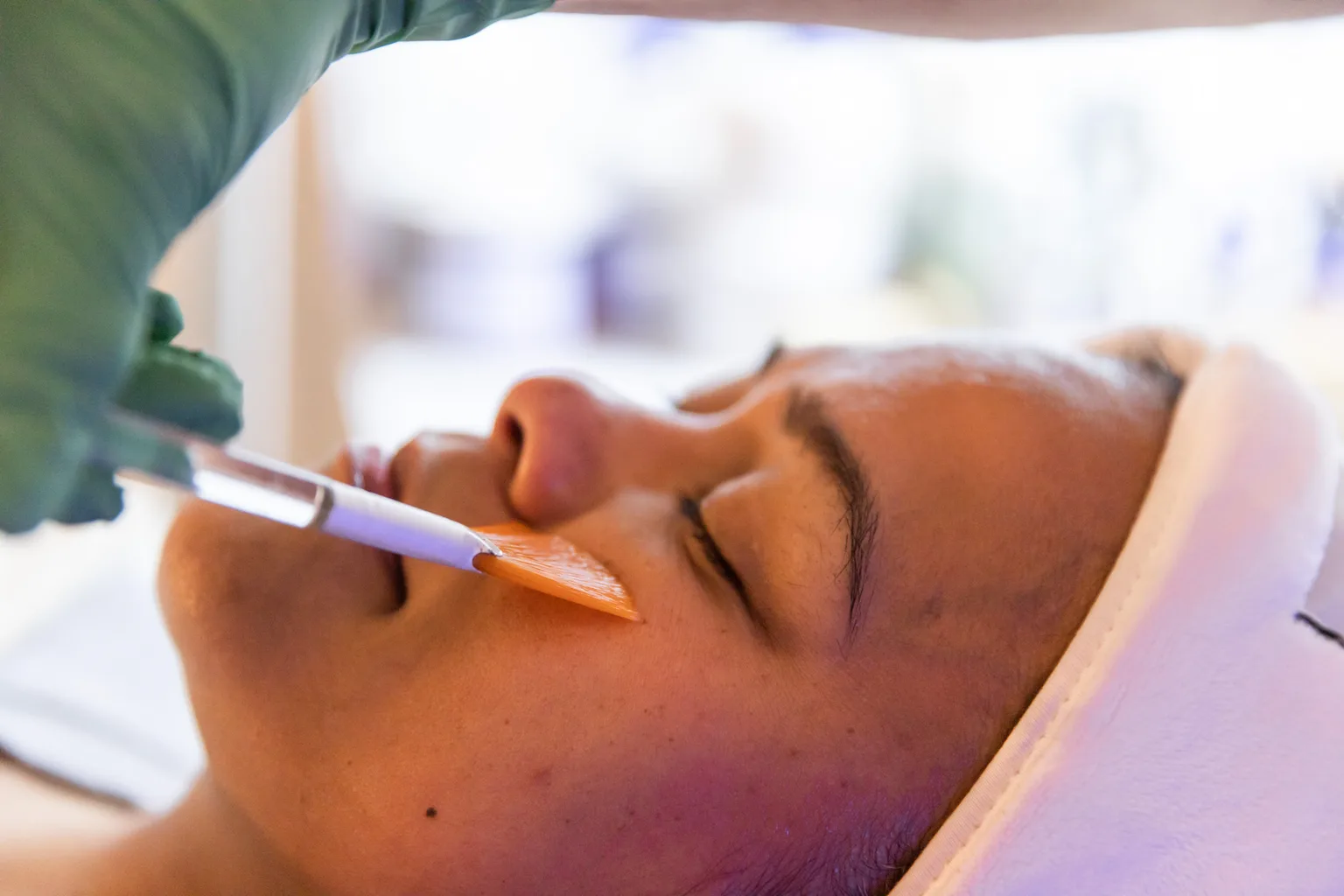
Glycolic acid and lactic acid are both superficial alpha hydroxy acid (AHA) chemical peels, yet molecular weight gives each distinct clinical behavior on the skin. Because a glycolic acid peel has the smallest AHA molecular size, it penetrates quickly for brisk texture and sun-spot smoothing, whereas a lactic acid peel diffuses more slowly while acting as a natural humectant inside AHA peel protocols.
Picking the right AHA depends on balancing resurfacing speed against barrier comfort. Patients with resilient, sun-exposed, or oily-combination skin often tolerate glycolic acid well, while dry, sensitive, or melanin-rich skin types benefit from lactic acid's gentler kinetics and moisture-binding profile.
Glycolic vs. Lactic Acid Peel: Side-by-Side Comparison
Molecular size controls diffusion velocity through the lipid matrix between corneocytes, directly shaping stinging sensation, exfoliation speed, and hydration response across the stratum corneum. The clinical matrix below compares natural origin, molecular weight, epidermal depth, and skin-type suitability for both acids.
| Attribute | Glycolic Acid Peel | Lactic Acid Peel |
|---|---|---|
| Natural source | Sugarcane (smallest AHA) | Fermented milk sugars or synthetic fermentation |
| Molecular weight | 76.05 g/mol (rapid penetration) | 90.08 g/mol (slower, gentler penetration) |
| Primary depth | Superficial epidermis (high strengths reach deeper) | Superficial stratum corneum to upper epidermis |
| Hydration effect | None; can cause mild post-peel dryness | Humectant; draws water into skin and supports ceramides |
| Ideal skin types | Resilient, thick, oily, or photoaged skin | Dry, sensitive, rosacea-prone, or Fitzpatrick IV to VI |
| Common clinical uses | Rough texture, mild fine lines, photoaging, keratosis pilaris | Dullness, dehydration lines, mild hyperpigmentation |
As noted in the FDA alpha hydroxy acids guidance, both AHAs exfoliate surface skin cells and increase UV sensitivity, requiring daily sun protection after treatment.
Why Does Molecular Size Change How Each Peel Feels?
Glycolic acid penetrates rapidly between skin cells because its two-carbon molecular structure is roughly 15% lighter than three-carbon lactic acid. Faster diffusion reaches sensory nerve endings sooner, producing a sharper prickling sensation and requiring strict timed neutralization by your provider.
In contrast, lactic acid lingers slightly longer at the upper stratum corneum, loosening dead skin bonds evenly with less sudden sting. For patients treating rough body bumps such as keratosis pilaris with chemical peels, clinicians weigh whether brisk glycolic desquamation or soothing lactic hydration suits the patient's arm or leg skin better.
Which Peel Is Better for Dry or Darker Skin Tones?
Lactic acid is generally preferred for dry skin and darker Fitzpatrick IV to VI skin tones because its humectant hydration and slower diffusion lower the risk of inflammatory flare-ups. Excessive inflammation from fast-penetrating unbuffered glycolic acid can leave dry cheeks tight or trigger rebound post-inflammatory hyperpigmentation.
Patients with parched skin can review our chemical peel for dry skin guide, while melanin-rich patients should verify progressive series planning in our dark skin peel guide. Experienced clinicians can still use low-percentage buffered glycolic peels safely on darker skin when preceded by proper pigment-suppressing prep.
What Results and Timeline Should You Expect?
Both glycolic and lactic acid peels act as progressive "lunchtime" superficial treatments that deliver subtle glow after one visit and clearer tone or smoother texture after 3 to 5 sessions. Neither superficial AHA erases deep static wrinkles or pitted acne scars the way medium-depth TCA or laser resurfacing can.
According to Cleveland Clinic superficial peel guidelines, light peels may be repeated every 2 to 5 weeks until desired radiance is reached. Recovery from either acid typically brings mild pinkness for a few hours and faint powdery flaking over 1 to 3 days rather than heavy sheet peeling.
How Should You Care for Skin After an AHA Peel?
Post-peel care for both glycolic and lactic acid requires daily broad-spectrum SPF 30+, gentle non-foaming cleansing, and pausing prescription retinoids or exfoliating acids until surface sensitivity resolves. Because fresh epidermis lacks old UV-absorbing corneocytes, unprotected sun exposure reverses brightening gains quickly.
Follow chemical peel aftercare guidelines and AAD peel safety advice: moisturize frequently, avoid hot saunas for 48 hours, and call your clinic if persistent burning, blistering, or rash appears.
Preparing Your Skin for Glycolic vs. Lactic Acid Peels
Preparing skin for either AHA peel involves pausing strong topical retinoids, benzoyl peroxide, and physical facial scrubs 3 to 7 days before your clinic visit as instructed by your provider. Arriving with a calm, un-sunburned barrier allows both glycolic and lactic solutions to distribute evenly across cheeks, forehead, and jawline.
During consultation, disclose recent waxing, laser procedures, and any sensitivity to milk-derived or fermented skincare ingredients if considering lactic acid. Review our pre-peel preparation checklist and contraindications guide before scheduling, especially if you have active cold sores or recent oral isotretinoin exposure.
How to Decide Between Glycolic Acid and Lactic Acid at Consultation
Choosing between glycolic and lactic acid comes down to weighing faster texture and sun-spot resurfacing against barrier comfort and hydration support. Discuss prior acid tolerance, skin dryness, Fitzpatrick phototype, and upcoming social plans with a qualified clinician before committing to a multi-visit series.
Use these practical decision guidelines when comparing options on our Illinois med spa directory:
- Select glycolic acid when: Your skin is resilient, mildly oily, or sun-damaged and you want brisk smoothing of rough texture or early fine lines.
- Select lactic acid when: Your skin feels dry, tight, sensitive, or melanin-rich and needs gentle brightness with humectant moisture.
- Ask about progressive layering: Many clinicians begin cautious patients on lactic acid for visit one before introducing buffered glycolic blends later.
Frequently Asked Questions
Is glycolic acid or lactic acid stronger in a chemical peel?
At equivalent concentrations and pH, glycolic acid behaves stronger and penetrates faster than lactic acid because glycolic acid has a smaller molecular weight (76.05 g/mol vs. 90.08 g/mol). Lactic acid achieves smoother superficial exfoliation with lower stinging and built-in humectant hydration.
Which is better for hyperpigmentation, glycolic or lactic acid?
Both glycolic and lactic acid peels fade mild surface hyperpigmentation by shedding melanin-filled corneocytes. Glycolic acid works faster on resilient, light-to-medium sun-damaged skin, whereas lactic acid is often safer on sensitive or darker skin tones where excess irritation risks rebound pigment.
Can you combine glycolic acid and lactic acid in one peel?
Yes, many clinical blended peels combine glycolic acid and lactic acid to pair glycolic acid's rapid resurfacing with lactic acid's hydrating and brightening properties. A qualified clinician adjusts the ratio and neutralization timing to match your skin barrier tolerance.
Does lactic acid peel make you peel less than glycolic acid?
Visible peeling varies by acid percentage, free acid value (pH), and how many layers are applied, though lactic acid often produces finer, less noticeable flaking because its humectant action keeps shedding cells hydrated. Both peels usually cause light flaking for 1 to 3 days rather than heavy sheets.
Which AHA peel is better for fine lines and aging?
Glycolic acid generally stimulates slightly stronger epidermal thickening and early dermal collagen signaling than mild lactic acid, making it a common pick for photoaged, sun-damaged skin. However, dry mature skin frequently benefits from starting with lactic acid to smooth dehydration lines comfortably first.