Written by the ChemicalPeel.org editorial team. Published November 26, 2026.
Clinical review pending. This page has not yet been reviewed by a licensed clinician; read it as patient education, not medical advice. How we review
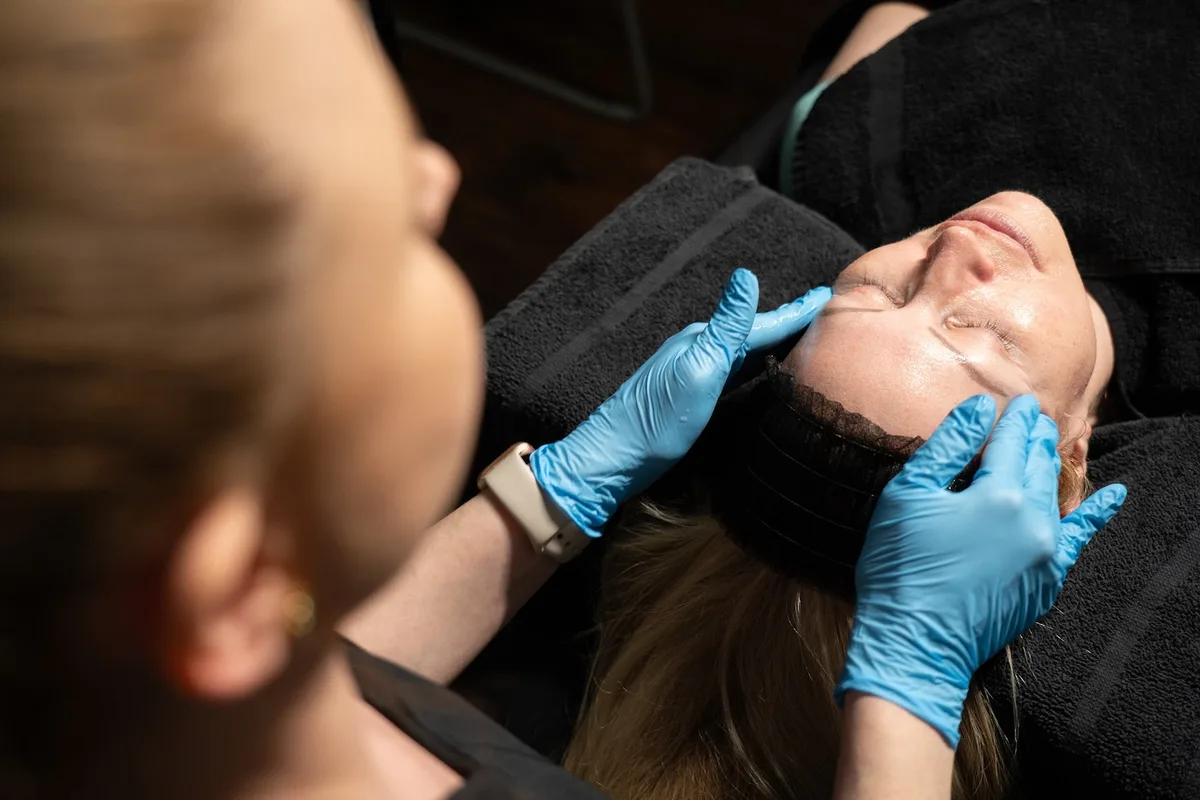
Superficial alpha hydroxy and beta hydroxy chemical peels smooth rough facial texture by loosening the protein bonds that hold uneven, thickened layers of dead surface cells onto the stratum corneum. Matching peel strength to what causes the unevenness, rather than reaching for strong acid indiscriminately, protects your skin barrier while improving light reflection and tactile smoothness across professional chemical peel treatments.
Many patients use textured skin to describe very different biological concerns. Sandy, dry patchiness across the cheeks stems from irregular surface desquamation and early photoaging, whereas dome-shaped white keratin cysts reflect trapped corneocytes best reviewed in our chemical peel for milia guide. Similarly, bumpy upper arms respond differently under a targeted keratosis pilaris peel plan, and indented scars require specialized acne scar resurfacing rather than light facial exfoliation. Separating surface roughness from structural volume loss or stretched pores before treatment prevents wasted sessions.
Which Chemical Peels Work Best for Rough, Bumpy Skin?
Clinicians generally start tactile skin roughness with superficial glycolic acid, lactic acid, salicylic acid, or modified Jessner's peels because controlled epidermal turnover softens bumpy corneocyte buildup without prolonged recovery. Stronger medium-depth trichloroacetic acid (TCA) is reserved for sun-weathered skin with deeper fine lines or etched elastosis.
| Peel Option | Primary Texture Target | Mechanism on Surface Cells | Expected Downtime |
|---|---|---|---|
| Glycolic acid (20% to 50%) | Rough forehead, sun-thickened stratum corneum | Small AHA weakens desmosomes quickly | Mild pinkness and faint flaking for 1 to 3 days |
| Lactic acid (30% to 45%) | Flaky, dehydrated rough cheeks | Exfoliates surface buildup while drawing moisture | Soft glow, minimal visible shedding for 1 to 2 days |
| Salicylic acid (20% to 30%) | Bumpy oily T-zone and follicular plugs | Oil-soluble BHA clears sebum-packed pores | Mild tightness and powdery flaking for 2 to 4 days |
| TCA (15% to 25%) | Coarse photoaging, deeper crepey lines | Coagulates epidermal and upper dermal proteins | Darkening and sheet peeling over 7 to 14 days |
According to the American Academy of Dermatology chemical peels overview, light and medium chemical peels remove damaged outer layers so smoother new epidermis can regenerate cleanly. Read our glycolic vs. lactic acid peel comparison to see how molecule size alters sting and hydration when treating surface roughness.
Surface Roughness vs. Pores, Milia, and Acne Scars
A chemical peel improves tactile smoothness fastest when roughness sits within the top 20 to 60 micrometers of the epidermis rather than inside deep dermal scarring or visibly enlarged oil glands. Clarifying which layer drives the bumpy look prevents unrealistic expectations after a single superficial visit.
Compare these clinical distinctions with your provider:
- Epidermal hyperkeratosis: Fine sandpaper texture from dry air, UV exposure, or slowed cell turnover smooths steadily across 3 to 5 light AHA peels.
- Follicular congestion and stretched pores: Sebum plugs sitting at the pore opening respond to lipid-soluble BHA and maintenance habits covered on our chemical peel for large pores guide.
- Depressed acne scars: Tethered boxcar or ice-pick scars extend into the reticular dermis and typically need medium TCA, focal TCA CROSS, or device remodeling rather than light surface peels.
If patients primarily want peach fuzz and dry top flakes whisked away with minimal visible downtime rather than follicular or pigment remodeling, clinicians also compare light acids against mechanical exfoliation in our dermaplaning vs. chemical peel overview.
Can High-Strength Peels Worsen Texture if Overused?
Repeatedly layering strong unbuffered acids or scheduling aggressive peels too close together can backfire on textured skin by triggering chronic barrier inflammation, compensatory oiliness, and reactive flaking. Preserving predictable intervals lets new keratinocytes mature and flatten evenly between sessions.
Wait at least 3 to 6 weeks between superficial clinic peels, and wait 3 to 6 months between true medium-depth TCA sessions, guided by the thresholds on our chemical peel depths explained guide. As noted in Cleveland Clinic chemical peel guidance, matching peel strength to skin tone and recovery capacity lowers risks of scarring and unwanted pigment shifts.
Pre-Peel Prep and Aftercare for Smooth Healing
Smooth re-epithelialization depends just as much on calm pre-conditioning and hands-off healing as the acid brushed on during your visit. Pulling up loose flakes prematurely or applying gritty physical scrubs over tender skin re-injures fresh keratinocytes and recreates rough patches.
Follow standard AAD patient preparation recommendations alongside these recovery rules:
- Pause harsh home actives beforehand: Stop prescription tretinoin, retinol, benzoyl peroxide, and abrasive scrubs 5 to 7 days prior unless instructed otherwise.
- Moisturize generously while shedding: Apply bland ceramide creams or plain petrolatum over tight flaky zones instead of peeling dead skin with fingers or washcloths.
- Protect fresh skin with broad-spectrum SPF 30+: Daily mineral zinc oxide or titanium dioxide sunscreen keeps healing keratinocytes from rebounding into blotchy pigment.
When evaluating clinic options across Chicago suburbs via our Illinois med spa directory, ask which acid concentration and pH the provider recommends for your first visit and how many sessions are realistic for visible smoothing.
Frequently Asked Questions
How many chemical peels does it take to smooth textured skin?
Most patients notice softer tactile smoothness after 1 or 2 superficial glycolic, lactic, or salicylic peels, while significant evening of sun-thickened or congested texture typically requires a series of 3 to 6 peels spaced 3 to 5 weeks apart. Deeper photoaging texture may respond better to 1 or 2 clinician-monitored medium-depth peels spaced several months apart.
Is glycolic acid or salicylic acid better for bumpy skin texture?
Glycolic acid works best for dry, sun-roughened, scaly surface texture across the cheeks and forehead because it quickly dissolves bonds between dead surface cells. Salicylic acid performs better when bumpy texture comes from clogged follicles, blackheads, and sebum buildup across an oily T-zone or jawline.
Does peeling mean your textured skin will look smoother immediately?
No, skin often feels tighter, drier, and temporarily bumpier while dead outer corneocytes loosen and shed between days 2 and 7. True surface smoothness becomes apparent once loose flakes rinse away cleanly and fresh, evenly hydrated epidermis settles by week 2.
Can a chemical peel smooth indented acne scars or only surface texture?
Light chemical peels smooth rough outer skin cells and mild shallow marks but cannot rebuild deep tethered collagen loss inside ice-pick or deep boxcar acne scars. Deeper scars typically require targeted medium-strength TCA, focal TCA CROSS, microneedling, or resurfacing lasers selected by a qualified clinician.
Can you use a washcloth or scrub to speed up flaking after a peel?
No, rubbing or scrubbing peeling skin with washcloths, facial brushes, or grainy scrubs tears fragile healing tissue beneath loose flakes and causes raw irritation, prolonged redness, and post-inflammatory dark spots. Let all shedding rinse away naturally during gentle lukewarm washing.