Written by the ChemicalPeel.org editorial team. Published November 26, 2026.
Clinical review pending. This page has not yet been reviewed by a licensed clinician; read it as patient education, not medical advice. How we review
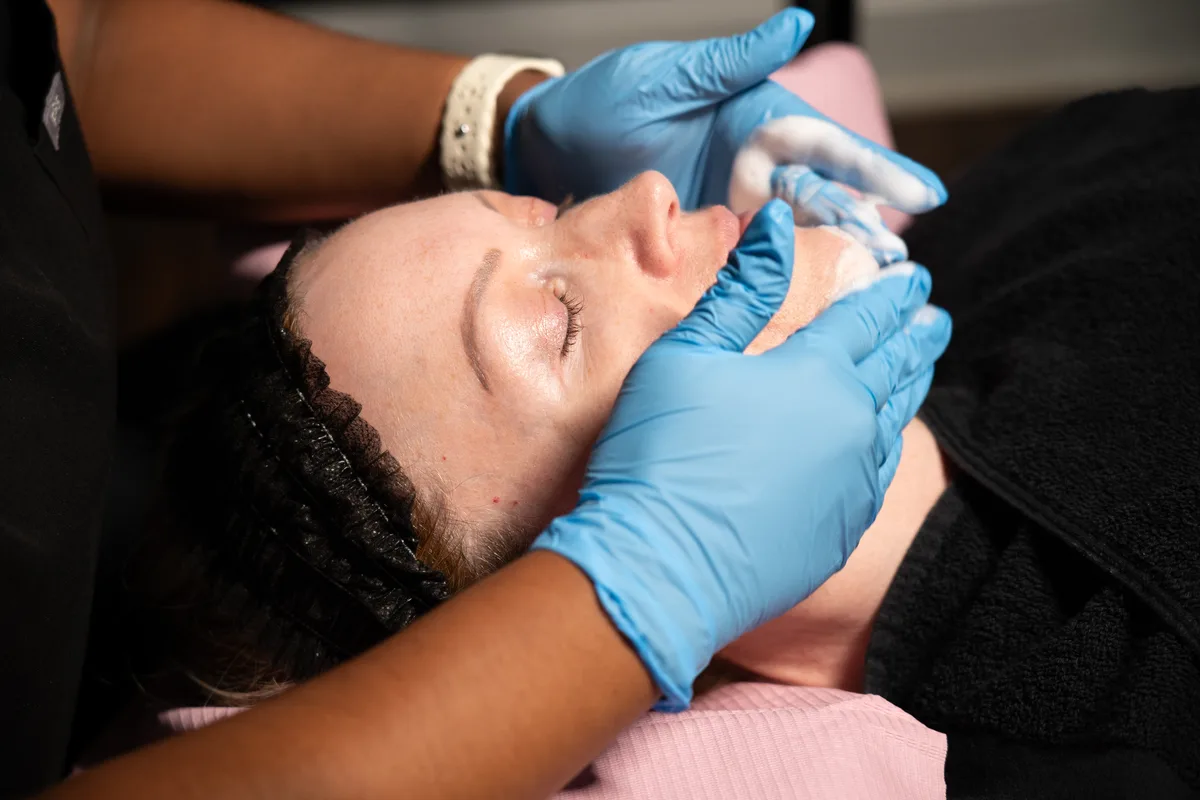
Glycolic acid peels and salicylic acid peels are both superficial resurfacing treatments, yet they solve distinct skin problems because one dissolves in water while the other dissolves in oil. A glycolic acid peel works on the outer epidermis to smooth rough texture, sun spots, and mild fine lines, whereas a salicylic acid peel travels down lipid-filled follicles to clear blackheads, breakouts, and excess sebum.
Picking the right superficial acid prevents stinging dry skin with oil-clearing alcohol solutions or glazing oily congested pores with water-soluble acids that struggle to pierce heavy sebum. Clinicians often evaluate skin oiliness, aspirin allergies, and melanin reactivity before recommending either AHA or BHA passes across our treatment depths reference.
Glycolic vs. Salicylic Acid Peel: Side-by-Side Comparison
Water solubility versus lipid solubility drives nearly every practical difference between these two classic clinic peels, from neutralizing protocol in the treatment room to ideal skin candidacy.
| Clinical Factor | Glycolic Acid Peel (AHA) | Salicylic Acid Peel (BHA) |
|---|---|---|
| Chemical family & solubility | Alpha hydroxy acid; water-soluble (hydrophilic) | Beta hydroxy acid; oil-soluble (lipophilic) |
| Molecular penetration | Smallest AHA (76.05 g/mol); diffuses briskly into upper epidermis | Benzene-ring structure penetrates lipid-lined hair follicles |
| Neutralization rule | Time-dependent; clinician must neutralize with water or buffer | Self-limiting as alcohol carrier evaporates cleanly |
| Visible chairside cue | Mild uniform pink erythema; watches carefully for hot spots | Powdery white salicylic crystal deposit upon drying |
| Primary clinical wins | Dullness, early sun spots, mild roughness, fine surface lines | Blackheads, whiteheads, oily T-zone, inflammatory acne |
| Key safety contraindication | Over-penetration burn if left unneutralized too long | Documented aspirin (salicylate) allergy; over-drying |
As documented in FDA alpha hydroxy acids guidance, AHAs accelerate surface exfoliation while temporarily heightening UV sensitivity, and StatPearls chemical peel classification distinguishes hydrophilic AHA peels from lipophilic salicylic acid formulations designed for sebaceous pores.
Which Peel Works Better for Acne, Blackheads, and Oily Skin?
Salicylic acid significantly outperforms pure glycolic acid for oily congestion, open comedones, and acne breakouts because lipid-soluble molecules dissolve trapped sebum inside the follicle wall while imparting mild anti-inflammatory calming. Glycolic acid helps fade flat brown post-acne marks after active breakouts calm, yet has limited ability to clear thick grease inside active pores.
Patients dealing with persistent T-zone grease, stretched pores, or cyclical congestion can compare options in our chemical peel for oily skin guide and check deeper structural resurfacing differences on our TCA vs. glycolic acid peel comparison. Remember that salicylic acid triggers reactivity in patients with aspirin allergies; in that case, clinicians look to alternative exfoliants such as mandelic or buffered azelaic acid peels.
Which Peel Targets Pigment, Dullness, and Anti-Aging Best?
Glycolic acid leads for superficial brightening, dull corneum smoothing, and mild shallow photoaging because its ultra-small molecule detaches stacked epidermal corneocytes evenly across dry or normal skin. Patients focused on melasma or stubborn solar spots also compare AHA options alongside tyrosinase-blocking blends on our kojic acid peel guide.
Because pure water-soluble glycolic acid keeps penetrating until buffered cleanly, clinician experience matters for darker skin tones (Fitzpatrick IV to VI): aggressive 70% unneutralized passes risk hot spots and post-inflammatory darkening, whereas lower 20% to 35% timed sessions step up gradually. Conversely, salicylic acid leaves fewer deep epidermal burns when properly formulated, making balanced BHA passes popular for acne-prone darker complexions under clinician supervision.
Can Clinicians Layer or Alternate Glycolic and Salicylic Peels?
Experienced clinicians frequently combine lower-strength glycolic and salicylic acids inside blended protocols or alternate them in consecutive clinic visits rather than forcing one high-strength single-agent pass. Zoning BHA across oily chin and nose congestion while keeping gentle alpha hydroxy acid resurfacing on dull cheeks delivers smoother balance across combination skin.
Avoid stacking strong home glycolic toners and salicylic washes together right before your clinic appointment, as double-acid irritation compromises barrier lipids and causes stinging recovery. Review AAD chemical peel preparation steps and our pre-peel preparation checklist 7 days beforehand.
Recovery and Cost Expectations Compared
Both superficial glycolic and salicylic peels share quick social recovery of roughly 1 to 4 days of faint pinkness, mild tightness, and light powdery flaking. Following bland gentle cleansers, non-comedogenic moisture, and broad-spectrum SPF 30+ protects newly uncovered epidermis after either acid.
Clinics often price single superficial AHA and BHA sessions in comparable outpatient brackets, with package savings when booking 3 to 6 maintenance visits; compare regional quote drivers on our glycolic acid peel cost guide and confirm full consultation pricing transparently before starting.
Frequently Asked Questions
Which is stronger, a glycolic acid peel or a salicylic acid peel?
Neither acid is universally stronger; they work differently based on solubility. High-concentration unbuffered glycolic acid (50% to 70%) can penetrate deeper into the epidermis rapidly if not timed carefully, whereas 20% to 30% salicylic acid works more selectively inside oil-filled pores and self-neutralizes as its solvent dries.
Can you get a glycolic peel and a salicylic peel in the same session?
Yes, clinicians sometimes apply salicylic acid strictly to an oily T-zone and glycolic or lactic acid to drier outer cheeks, or use pre-mixed combination peels in one visit. Never layer strong standalone peels over each other on your own at home.
Which peel causes less peeling, glycolic or salicylic acid?
At mild 20% to 35% clinic concentrations, both typically produce microscopic exfoliation or light powdery flaking rather than heavy sheet peeling. Lower-strength glycolic peels often show slight tightness for 1 day, while salicylic peels can leave fine dry flaking around congested chin and nose crevices for 2 to 4 days.
Is glycolic or salicylic better for hyperpigmentation after acne?
Once active breakouts stop forming, glycolic acid and brightening blends work slightly faster on flat brown post-acne discoloration across the surface epidermis. When active oily pimples and fresh dark spots coexist, salicylic acid or alternating BHA/AHA visits addresses both causes safely.
Can pregnant or breastfeeding patients use glycolic or salicylic peels?
Patients who are pregnant or nursing must review specific acid percentages and systemic exposure precautions directly with their prescribing obstetric clinician before scheduling any peel, avoiding high-strength or broad salicylic protocols unless specifically cleared; review our [pregnancy peel guide](/chemical-peel-while-pregnant/) for intake questions.